

The single sharpest fact in one or two punchy sentences. Who did what, where, when, and why it matters. Not a summary of everything — the one thing that makes someone stop scrolling. A reader who only reads this paragraph must understand what happened.
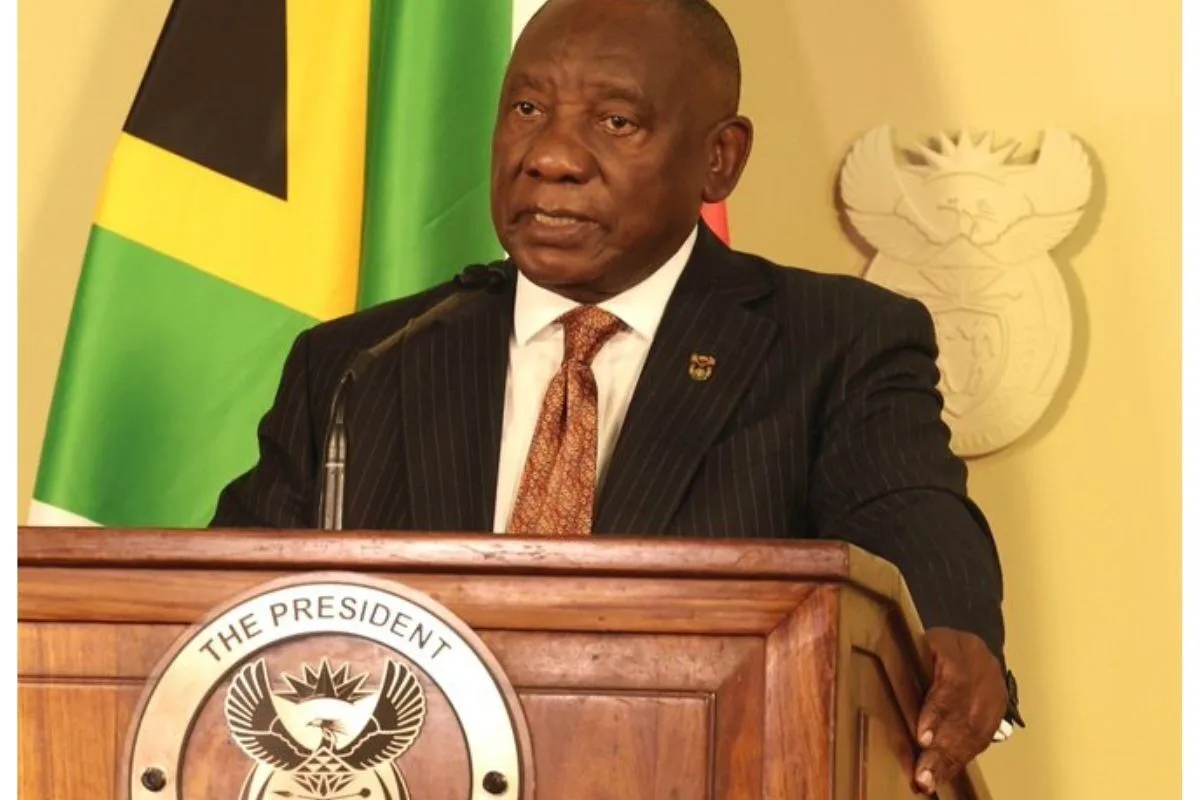
President Cyril Ramaphosa has launched a new programme to address South Africa's worsening water crisis. The National Water Access Acceleration Programme aims to deliver quicker water solutions to underserved communities. The initiative was officially launched in Hammanskraal, Gauteng, where residents have faced years of unreliable water supply.
Government handed over new boreholes to the community and commissioned the Klipdrift Package Water Treatment Plant. Similar projects have also begun in parts of Gauteng, KwaZulu-Natal, and the Eastern Cape. These interventions include drilling boreholes, developing groundwater sources, harvesting rainwater, and rehabilitating existing water supply systems.
Ramaphosa acknowledged that many municipalities have failed to maintain water infrastructure, manage water services effectively, and respond quickly enough to growing challenges. He said ageing infrastructure, worsening water shortages, and declining water quality continue to affect communities and businesses across South Africa.
According to the 2022 Census, more than 82% of South African households have access to piped water either inside their homes or within their yards. The number of households without piped water has more than halved since 1996. Despite this progress, Ramaphosa said many communities still lack reliable access to clean water.
The National Water Crisis Committee has been established to coordinate action across all spheres of government. The committee is overseeing efforts to strengthen municipal water and sanitation services, increase investment in water infrastructure, reform water sector institutions, and tackle corruption and criminal activity in the sector. The National Water Action Plan brings together national, provincial, and local government, water boards, regulators, and water service authorities under a single programme with clear responsibilities and deadlines.
Government has allocated R156 billion over the next three years for water and sanitation infrastructure as part of its broader public infrastructure investment programme.
The programme was launched in response to the country's worsening water crisis. Residents in Hammanskraal have faced years of unreliable water supply, and a deadly cholera outbreak claimed lives in 2023.
Government is taking steps to strengthen municipal water and sanitation services. The National Water Crisis Committee is overseeing efforts to reform water sector institutions and tackle corruption.
Water is a basic human right. The government has a responsibility to ensure that all communities have access to clean water.
The National Water Access Acceleration Programme is a crucial step towards addressing the country's water crisis. The programme aims to deliver quicker water solutions to underserved communities.
Government has allocated R156 billion for water and sanitation infrastructure over the next three years.
The programme was launched in response to the country's worsening water crisis. Residents in Hammanskraal have faced years of unreliable water supply, and a deadly cholera outbreak claimed lives in 2023.
The National Water Crisis Committee has been established to coordinate action across all spheres of government. The committee is overseeing efforts to strengthen municipal water and sanitation services, increase investment in water infrastructure, reform water sector institutions, and tackle corruption and criminal activity in the sector.
Government has a responsibility to ensure that all communities have access to clean water. The National Water Access Acceleration Programme is a crucial step towards addressing the country's water crisis.
According to the 2022 Census, more than 82% of South African households have access to piped water either inside their homes or within their yards. The number of households without piped water has more than halved since 1996. Despite this progress, Ramaphosa said many communities still lack reliable access to clean water.
The programme was launched in Hammanskraal, Gauteng, where residents have faced years of unreliable water supply. Government handed over new boreholes to the community and commissioned the Klipdrift Package Water Treatment Plant.
Government admits failures
Government has acknowledged that many municipalities have failed to maintain water infrastructure, manage water services effectively, and respond quickly enough to growing challenges. Ramaphosa said ageing infrastructure, worsening water shortages, and declining water quality continue to affect communities and businesses across South Africa.
Key Facts
- Over 82% of South African households have access to piped water
- The number of households without piped water has more than halved since 1996
- Government has allocated R156 billion for water and sanitation infrastructure over the next three years
- The National Water Crisis Committee has been established to coordinate action across all spheres of government
- The committee is overseeing efforts to strengthen municipal water and sanitation services