

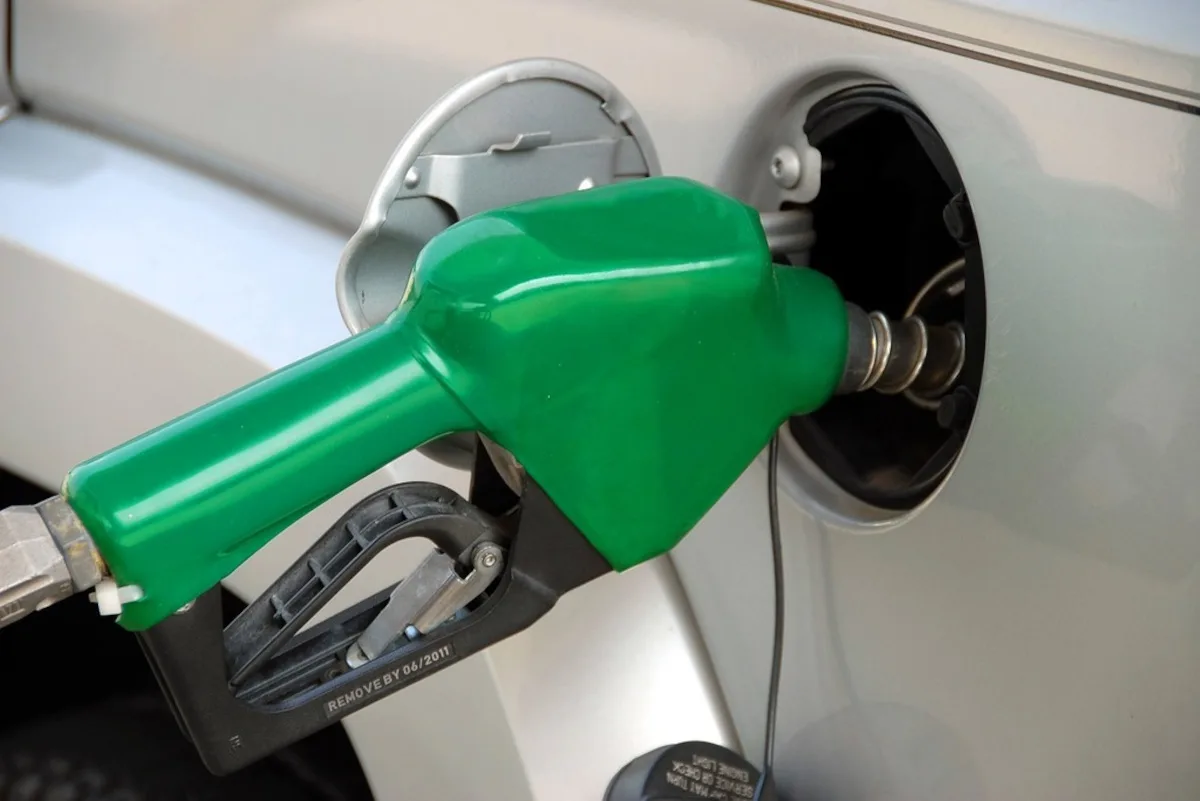
You might have been dreading another month of high fuel prices, but South Africa's motorists could finally receive some much-needed relief at the pumps in July. The latest fuel price data released by the Central Energy Fund (CEF) has shown sizeable over-recoveries across all major fuel products, suggesting that motorists may soon benefit from the first meaningful fuel price reductions after four consecutive months of increases.
As of 19 June, the fuel price outlook indicated over-recoveries of R2.90 per litre for petrol 93, R2.94 per litre for petrol 95, R4.57 per litre for diesel 0.05%, R4.97 per litre for diesel 0.005%, and R5.13 per litre for illuminating paraffin. An over-recovery occurs when international fuel prices and exchange-rate movements support a lower domestic fuel price than the one currently being charged, creating room for a reduction during the next monthly adjustment.
Relief for households and businesses The prospect of lower fuel prices comes as welcome news for consumers and businesses that have endured months of rising transport and operating costs. Fuel prices have a direct impact on household budgets and play a significant role in determining the cost of transporting goods throughout the economy. Higher fuel costs often feed into broader inflation, increasing the prices consumers pay for everyday products and services. While annual consumer inflation edged up to 4.5% in May, it remained below many economists’ expectations.
A meaningful fuel price reduction in July could provide additional support in efforts to contain inflationary pressures in the months ahead. Oil prices and rand strengthen outlook The positive outlook has largely been driven by softer international oil prices and a relatively stable rand exchange rate. According to the Department of Mineral and Petroleum Resources (DMPR), the average rand-dollar exchange rate improved from R16.65/$ during the previous pricing cycle to R16.52/$ in the current review period, helping to lower the cost of imported fuel. The department also reported that international diesel and illuminating paraffin prices declined notably due to lower seasonal demand in the northern hemisphere, further boosting potential fuel price reductions.
Fuel levy relief comes to an end Despite the encouraging outlook, motorists will still need to absorb the final withdrawal of government’s temporary fuel levy relief. The measure was introduced earlier this year to shield consumers from elevated global oil prices and geopolitical instability that threatened to drive fuel costs significantly higher. From 1 July, the final phase of the relief programme expires, resulting in additional levy increases of R1.50 per litre for petrol and R1.96 per litre for diesel. Even after these increases are factored into the calculation, however, the current over-recoveries remain substantial enough to support notable reductions at the pumps.
Slate levy continues to add pressure Motorists are also continuing to pay a higher slate levy after it was increased in June from 122.70 cents per litre to 157.74 cents per litre. The adjustment was implemented to recover an accumulated industry under-recovery balance of approximately R18.28 billion and remains an important component of South Africa’s fuel pricing structure.
Uncertainty remains While the current outlook is highly favourable, analysts caution that fuel prices remain vulnerable to sudden changes in global markets. International crude oil prices, geopolitical tensions in key oil-producing regions and fluctuations in the rand-dollar exchange rate will continue to influence the final fuel price calculations before the official adjustment is announced at the end of the month.
Recent tensions in the Middle East have already highlighted how quickly energy markets can react to geopolitical developments, underscoring the uncertainty that still surrounds fuel-price forecasting. For now, however, the latest CEF data offers a rare dose of optimism for South African motorists, with the possibility of significant fuel price cuts appearing increasingly likely when the July adjustments take effect.