

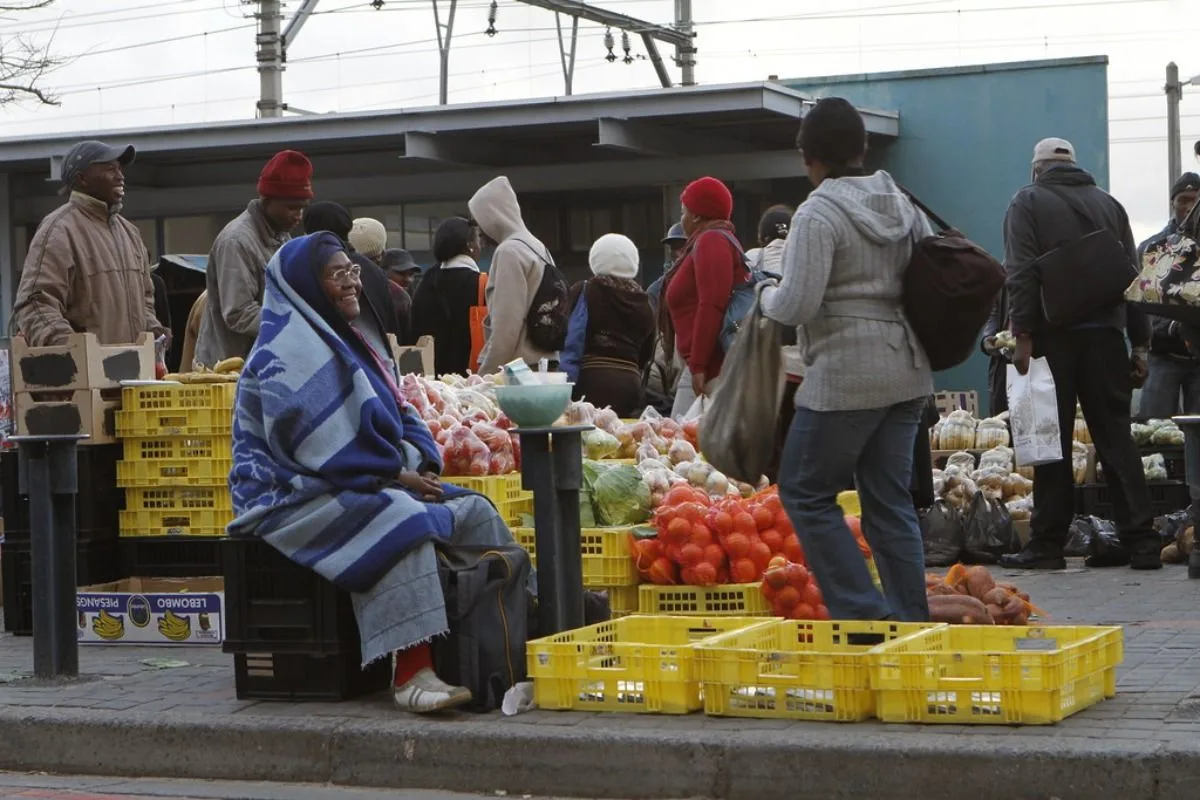
The City of Cape Town has approved nearly 700 new trading bays across the metro, giving hundreds more residents the opportunity to start or expand informal businesses. These new spaces will be created in key economic hubs including the Cape Town CBD, Bo-Kaap, and Durbanville, with other locations including Hanover Park, Atlantis, and Eerste River.
Alderman James Vos, the City's Mayco Member for Economic Growth, described the decision as significant. "The approval means nearly 700 more opportunities for residents to earn an income, support their families, and grow small businesses," he said. "This approval marks a major milestone in our quest to strengthen the public trading ecosystems across the city, and it's the biggest number of trading opportunities approved at a single Council meeting of this term."
The new bays will increase the number of City-provided trading opportunities to more than 6,700 across Cape Town. The City said the plans are designed to provide informal traders with secure, regulated, and accessible spaces, while improving the experience for customers.
New markets are being planned or developed in Masiphumelele, Mitchells Plain, and Wallacedene. The City is reviewing its Informal Trading Policy alongside these new plans. Officials say the revised policy could result in more trading opportunities, fairer permit allocation, improved infrastructure, and greater support for business development.
The City is currently consulting internally and engaging with recognised informal trader associations before releasing the draft policy for public comment later this year. "Having a voice from the traders at this stage will help inform and shape proposed changes to the current policy," said Vos. The City said trading plans help create "regulated, safe, accessible, and business-friendly trading spaces" while balancing the needs of traders, businesses, and the public.
Notably, Trafalgar Place Flower Market was excluded from the latest approvals. The City is still drafting a trading plan for the site and considering feedback received during public participation. Informal traders interested in applying for bays can find more information here.
Cape Town's informal trading sector is a significant contributor to the local economy, with many residents turning to informal trade as a means of earning a living. According to the City of Cape Town, the informal trading sector employs over 60,000 people and contributes an estimated R10 billion to the local economy each year.
The sector is also a major source of revenue for the City, generating over R500 million in annual revenue. The City's informal trading policy aims to create a safe and supportive environment for informal traders. This includes providing secure and accessible trading spaces, improving infrastructure, and providing support for business development.
The policy also aims to balance the needs of traders, businesses, and the public. This includes improving the experience for customers, reducing congestion, and improving waste management. The City has committed to providing training and support to informal traders, including business skills training, marketing support, and access to financial services.
Informal traders can apply for bays through the City's online portal, and applications are open to residents and businesses that meet the City's criteria for informal trading. The City will consider applications on a first-come, first-served basis and will notify applicants of the outcome. Successful applicants will receive business skills training and marketing support, and the City will also provide support to help them establish and grow their businesses.
The City's informal trading policy is a major step forward for the sector, providing secure and accessible trading spaces, improving infrastructure, and offering support for business development. By providing training and support to informal traders, the City is helping to create opportunities for economic growth and development.
Key Facts:
- The City has approved 693 new trading opportunities across the metro.
- There are now over 6,700 City-provided trading opportunities across Cape Town.
- The informal trading sector employs over 60,000 people.
- The sector contributes an estimated R10 billion to the local economy each year.
- The sector generates over R500 million in annual revenue for the City.
- Applications for trading bays are open to residents and businesses that meet the City's criteria for informal trading.
- The City will consider applications on a first-come, first-served basis.
- Successful applicants will receive business skills training and marketing support.
- The City provides training and support to informal traders.
- Informal traders can apply for bays through the City's online portal.
- Trafalgar Place Flower Market was excluded from the latest approvals and the City is still drafting a trading plan for the site.
- The City is consulting internally and engaging with recognised informal trader associations.
- The revised Informal Trading Policy will be released for public comment later this year.