

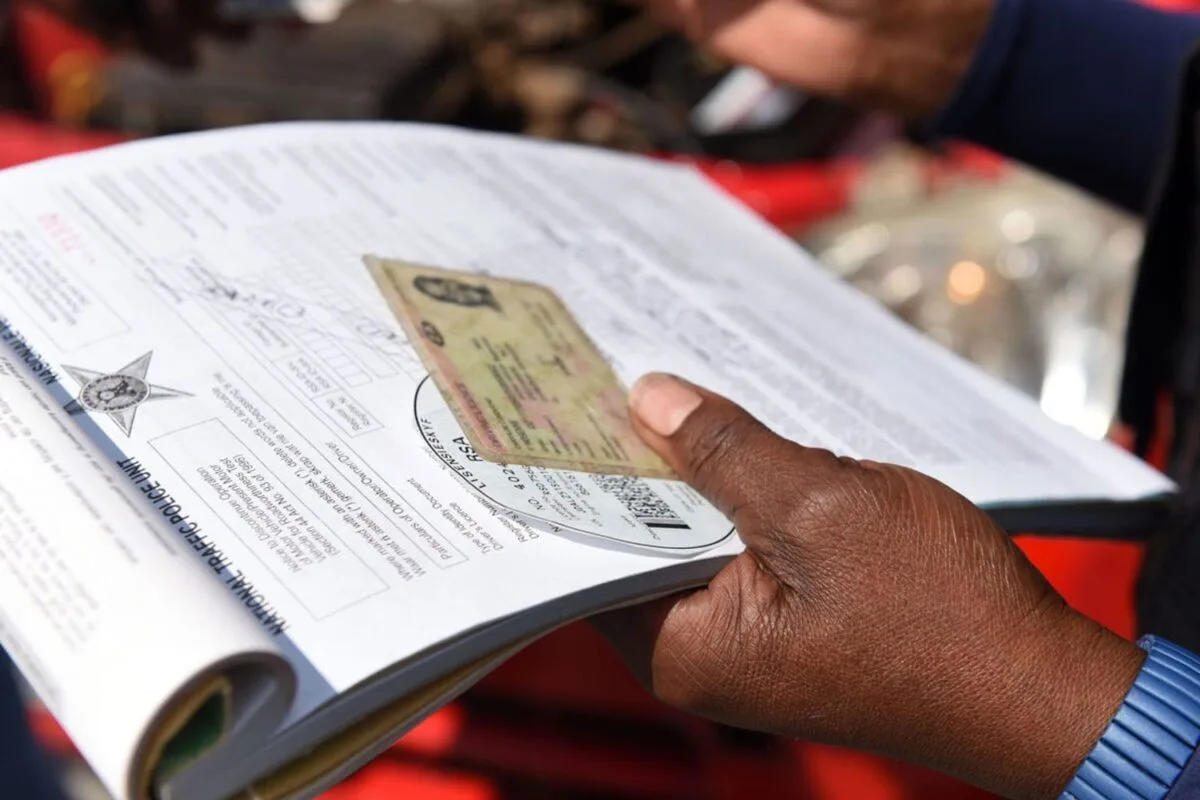
South Africa's new traffic enforcement system, AARTO Phase 2, officially went online on July 1, 2026, despite a last-minute court bid by SALGA to stop the rollout. The North Gauteng High Court in Pretoria dismissed the bid, citing that SALGA hadn't proven it could act on behalf of individual municipalities. This meant that the rollout proceeded, but the underlying fight between the national government and SALGA is far from over.
SALGA's Public Transport and Roads Working Group, chaired by Sebang Motlhabi, has been consistent in its opposition to AARTO Phase 2. While Motlhabi acknowledges that the system is a good idea in principle, he warns that it will put additional pressure on already-broke municipalities. He points out that there is no funding model attached to the system, and that it will likely squeeze service delivery budgets to breaking point.
Meanwhile, the RTIA claims that roughly 75% of the municipalities that have joined AARTO Phase 2 are staffed and equipped to operate the new system. However, the Western Cape has been exempted from the rollout due to concerns over its readiness. The City of Cape Town has declared its own formal intergovernmental dispute with the national government, citing a range of issues, including a lack of funding for AARTO training and a revenue-sharing model that would cut municipal income.
The city's Mayco member for Safety and Security, JP Smith, insists that Cape Town doesn't oppose AARTO Phase 2 in principle, but won't accept the current version or timeline. He believes that the system needs to be tweaked to address the city's concerns before it can be rolled out. The Minister of Transport, Barbara Creecy, has agreed to suspend the rollout in the Western Cape, giving room for negotiations through the IGRFA process.
The national government is targeting full implementation of AARTO Phase 2, including the Western Cape, by January 2027. However, contentious licence demerit points are not part of this phase, and are expected to be introduced only from April 2027 onwards. The delivery of traffic infringements was always a weak link of the previous system, and the SAPO has confirmed its new role delivering AARTO Phase 2 notices electronically using its e-Reg platform.
The old paper system was unreliable and made it an easy scapegoat for motorists. However, municipal-readiness concerns haven't gone away, and funding remains unresolved. OUTA's warnings still stand, and demerit points and the rehabilitation programme are not yet switched on. AARTO Phase 2 has been over a decade in the making, and the department has missed deadlines repeatedly, and is now battling active litigation.
'It's a good idea in principle, but it's landing on broke municipalities,' Sebang Motlhabi, Chair of SALGA's Public Transport and Roads Working Group.
Key Facts
- AARTO Phase 2 has been rolled out in 62 municipalities across South Africa.
- The Western Cape has been exempted from the rollout due to concerns over its readiness.
- The RTIA claims that roughly 75% of the municipalities that have joined AARTO Phase 2 are staffed and equipped to operate the new system.
- The City of Cape Town has declared its own formal intergovernmental dispute with the national government over the rollout of AARTO Phase 2.
- The national government is targeting full implementation of AARTO Phase 2, including the Western Cape, by January 2027.