

The single sharpest fact in one or two punchy sentences. Who did what, where, when, and why it matters. Not a summary of everything — the one thing that makes someone stop scrolling. A reader who only reads this paragraph must understand what happened.
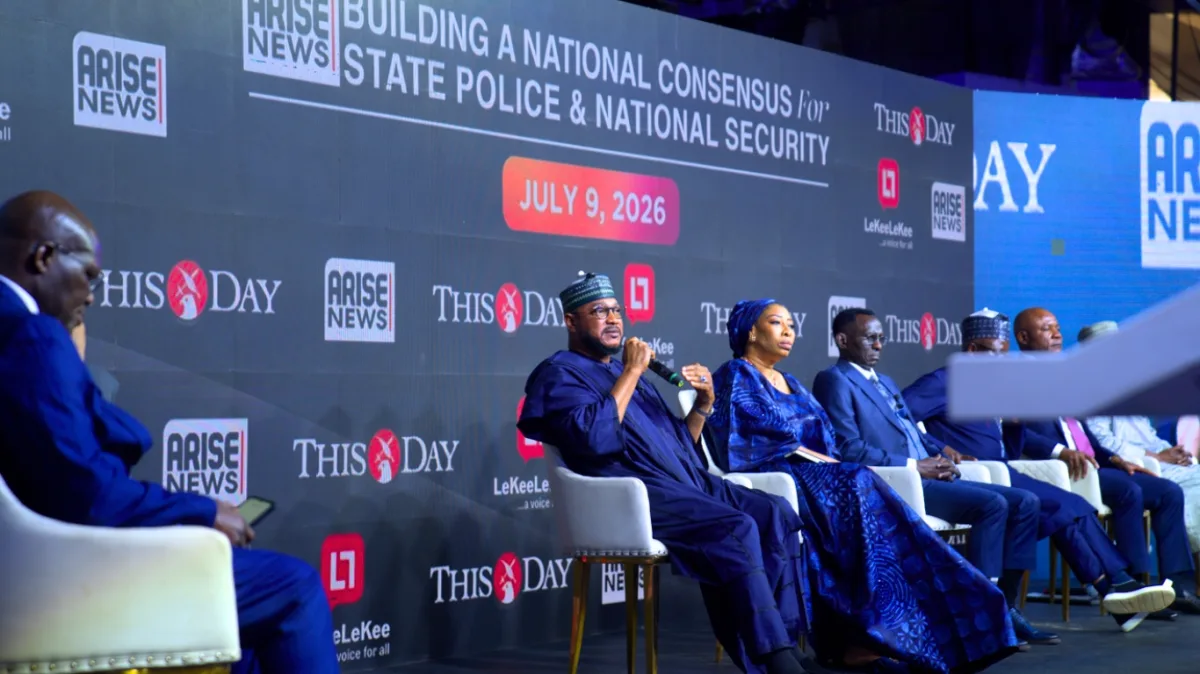
Zamfara Governor Dauda Lawal has refused to pay a N300m ransom demanded by bandits who kidnapped his brothers seven years ago. He made the decision public on Thursday at the National Town Hall Meeting organised by ARISE TV in Abuja. The event was themed, “Building National Consensus for State Police and Security.”
The governor's stance on refusing to pay ransom is in line with his vow never to negotiate with bandits or criminals from a position of weakness. He believes that continuing to pay ransom would embolden the kidnappers to continue with the crime. Mr Lawal, who has been a vocal advocate for the creation of state police, said his administration created the Community Protection Guard (CPG) upon assuming office in 2023. However, he has never used it against anyone but to fight criminals.
For fear that it would be abused, Mr Lawal said there is no perfect system and all that needs to be done is to strengthen the legal framework for state police. He pointed out that some states, including Zamfara, already have security outfits, and there are no reports that their governors use them to hunt opponents. Deputy Speaker of the House of Representatives, Ben Kalu, underscored the need to have state police in the country, noting that the laws that authorise the centralisation of policing in the country have failed its citizens.
A major source of frustration for governors is that they are chief security officers of their respective states without holding any real command over the security apparatus. The Senate Leader, Opeyemi Bamidele, said funding is key to sustaining state police once created, adding that the institution must have fiscal independence. If the state police is not well funded, it may as well be a highway to nowhere.
According to Bamidele, the institution must have fiscal independence because even politicians, business leaders, and others could abuse its power if it's not properly funded. The governor of Zamfara State is one of the most vocal advocates of state police in Nigeria. He believes that having state police will give governors more control over their jurisdictions and enable them to take full responsibility for the security of their people.
Dauda Lawal was born in 1967 in Zamfara State. He graduated from Ahmadu Bello University in Zaria and later obtained a Masters degree from the same institution. Lawal's entry into politics dates back to 1999, when he was elected as a member of the Zamfara State House of Assembly.
As the deputy speaker of the Zamfara State House of Assembly, Mr. Lawal contributed significantly to the passage of the state's security bill in 2012. The bill aimed to strengthen security in Zamfara by increasing the powers of the state's security outfits. However, its implementation was marred by challenges, leading to the eventual creation of state police.
Ben Kalu is a Nigerian politician and the Deputy Speaker of the House of Representatives. Born in 1968 in Abia State, Kalu graduated from the University of Ibadan before venturing into politics. He has been a member of the House of Representatives since 2019.
Kalu's entry into politics started at the Abia State branch of the All Progressives Congress (APC). He has been involved in various legislative committees, including the Constitutional Review Committee. In this capacity, he has been a strong advocate for the creation of state police.
As a member of the House of Representatives, Kalu has sponsored several bills aimed at strengthening security in Nigeria. He believes that the creation of state police will give governors more control over their jurisdictions and enable them to take full responsibility for the security of their people.
The Zamfara State police bill was passed in 2012 but was met with opposition from various stakeholders. Some argued that the creation of state police would lead to chaos and the abuse of power by governors. However, proponents believed that it would strengthen security in the state by giving governors more control over their jurisdictions.
Dauda Lawal's decision to refuse to pay the ransom to the bandits who kidnapped his brothers is seen as a bold move by many Nigerians. While some have praised his stance, others have expressed concern that it could backfire and lead to more insecurity. The debate around the creation of state police has been ongoing in Nigeria for several years. However, the issue gained momentum in 2020, when the country's president announced plans to establish a state police force.
According to the president, the creation of state police would give governors more control over their jurisdictions and enable them to take full responsibility for the security of their people. However, the move was met with opposition from various stakeholders, including some governors who feared that it would lead to chaos and the abuse of power.
The debate around state police is complex and involves various stakeholders, including governors, lawmakers, and the police force. While some believe that it is necessary, others argue that it would lead to more insecurity and chaos. The future of state police in Nigeria remains uncertain, with many stakeholders still debating its merits.
“I will not negotiate from the place of weakness, and I will not pay ransom to any criminal, no matter what happens,” Zamfara Governor Dauda Lawal said at the National Town Hall Meeting organised by ARISE TV in Abuja.
Key Facts
- Zamfara Governor Dauda Lawal refused to pay a N300m ransom demanded by bandits who kidnapped his brothers seven years ago.
- He believes that paying ransom would embolden the kidnappers to continue with the crime.
- Lawal's administration created the Community Protection Guard (CPG) upon assuming office in 2023.
- Deputy Speaker of the House of Representatives, Ben Kalu, underscored the need to have state police in the country.
- The Senate Leader, Opeyemi Bamidele, said funding is key to sustaining state police once created.