

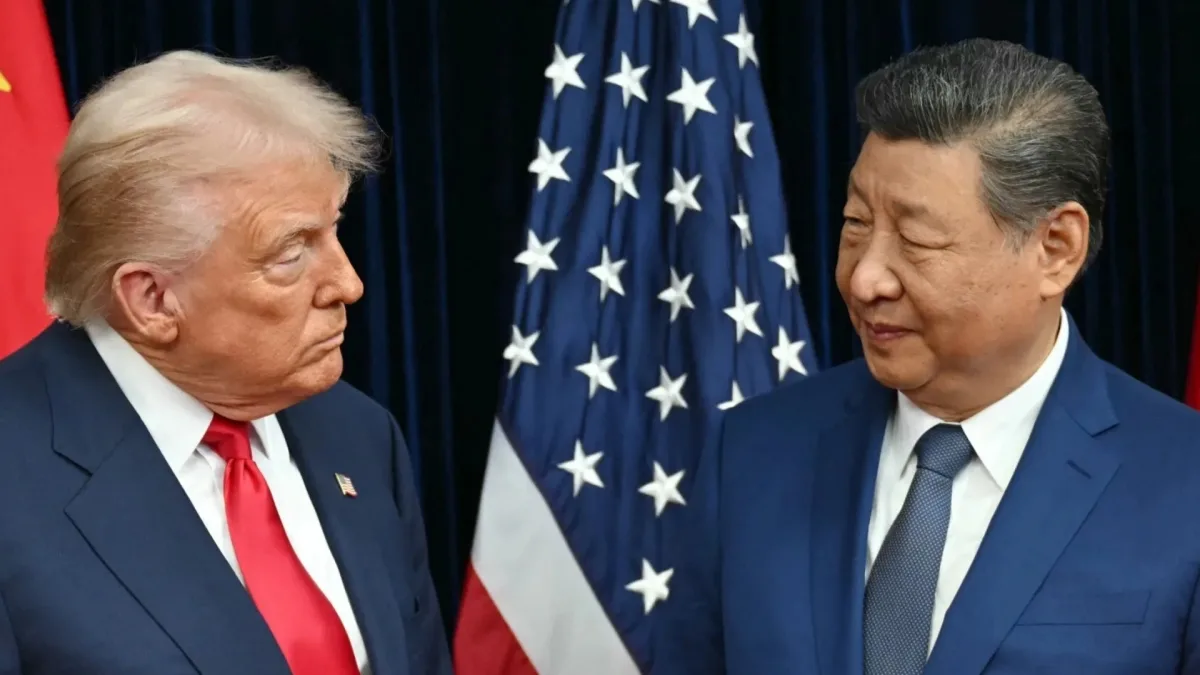
The US has suspended a $14bn arms sale to Taiwan, a move that could ease tensions with China. This decision was made just before Donald Trump's visit to China, where he met with his Chinese counterpart, Xi Jinping.
The US hasn't made concessions to China without a reason. A year ago, US-China relations reached one of their lowest points when Donald Trump announced his “Liberation Day” tariffs. But in the months that followed, the US made some concessions, including yielding more ground in the run-up to Trump’s visit to Beijing. They're trying to balance their relations with China, and it's a difficult situation.
Donald Trump, the US president, didn't commit to the arms sale during his visit to China. This move is significant because Taiwan is a sensitive issue in US-China relations. China claims Taiwan as its sovereign territory, and the US has been a longtime supporter of Taiwan. It's a complex issue, and it's not clear what will happen next.
Xi Jinping said Taiwan is "the single most important issue" in relations with the US, when talking about Taiwan. This statement shows how important Taiwan is to China, and how it could affect US-China relations. They're closely tied, and what happens with Taiwan will likely impact US-China relations.
Ali Wyne, a senior research and advocacy adviser for US-China relations at The International Crisis Group, might have some insights into this situation. He's an expert in the field, and his opinions are worth considering. Victor Gao, the vice president of the Center for China and Globalization, and Wen-Ti Sung, a nonresident fellow at the Atlantic Council’s Global China Hub, are also experts in this field. They're knowledgeable about US-China relations, and they might be able to provide some clarity on the situation.
The suspended arms sale includes $14bn worth of military equipment. It's a significant amount, and it's not clear what will happen to the sale now. The White House hasn't made any official statements about the suspension, but it's likely that the decision was made to ease tensions with China. They're trying to reduce tensions, and this move might help.
So, what does this mean for US-China relations? It's hard to say, but it's clear that Taiwan is a major issue. The US has been a longtime supporter of Taiwan, but China is becoming increasingly powerful. It's possible that the US will have to make more concessions to China in the future. They can't ignore China's growing power, and they'll have to navigate their relations carefully.
In recent years, China has been increasing its military presence in the region. This has made Taiwan and other neighboring countries nervous. The US has been trying to balance its relations with China and Taiwan, but it's a difficult situation. They're walking a fine line, and they don't want to upset either side.
The US-Taiwan relations are governed by the Taiwan Relations Act, which was passed in 1979. The act requires the US to provide Taiwan with the military equipment it needs to defend itself. But the act also says that the US should try to maintain good relations with China. It's a delicate balance, and they're trying to uphold the act while also considering China's interests.
It's not clear what will happen next. The US might decide to go ahead with the arms sale, or it might decide to suspend it permanently. Either way, it's likely that US-China relations will continue to be tense. They're complex, and they won't be resolved anytime soon.
Key Facts
- The US has suspended a $14bn arms sale to Taiwan
- The decision was made ahead of Donald Trump's visit to China
- China claims Taiwan as its sovereign territory
- The US has been a longtime supporter of Taiwan
- The suspended arms sale includes $14bn worth of military equipment
In the context of international relations, this decision is significant. The US and China are two of the most powerful countries in the world, and their relations can affect the entire globe. The situation with Taiwan is just one example of the complex issues that the US and China have to navigate. They're major players, and their actions have far-reaching consequences.
The US-China relations are also affected by other factors, such as trade and economy. The two countries have been engaged in a trade war, which has had a significant impact on the global economy. The US has imposed tariffs on Chinese goods, and China has retaliated with its own tariffs. It's a back-and-forth situation, and it's not clear how it will be resolved.
The suspension of the arms sale to Taiwan is a significant development in US-China relations. It shows that the US is willing to make concessions to China, but it's not clear what will happen next. The situation is complex, and it will be interesting to see how it develops in the future. The US and China will continue to navigate their relations, and they'll have to make difficult decisions along the way. They won't always agree, but they're trying to find common ground.