

The single sharpest fact in one or two punchy sentences. Who did what, where, when, and why it matters.
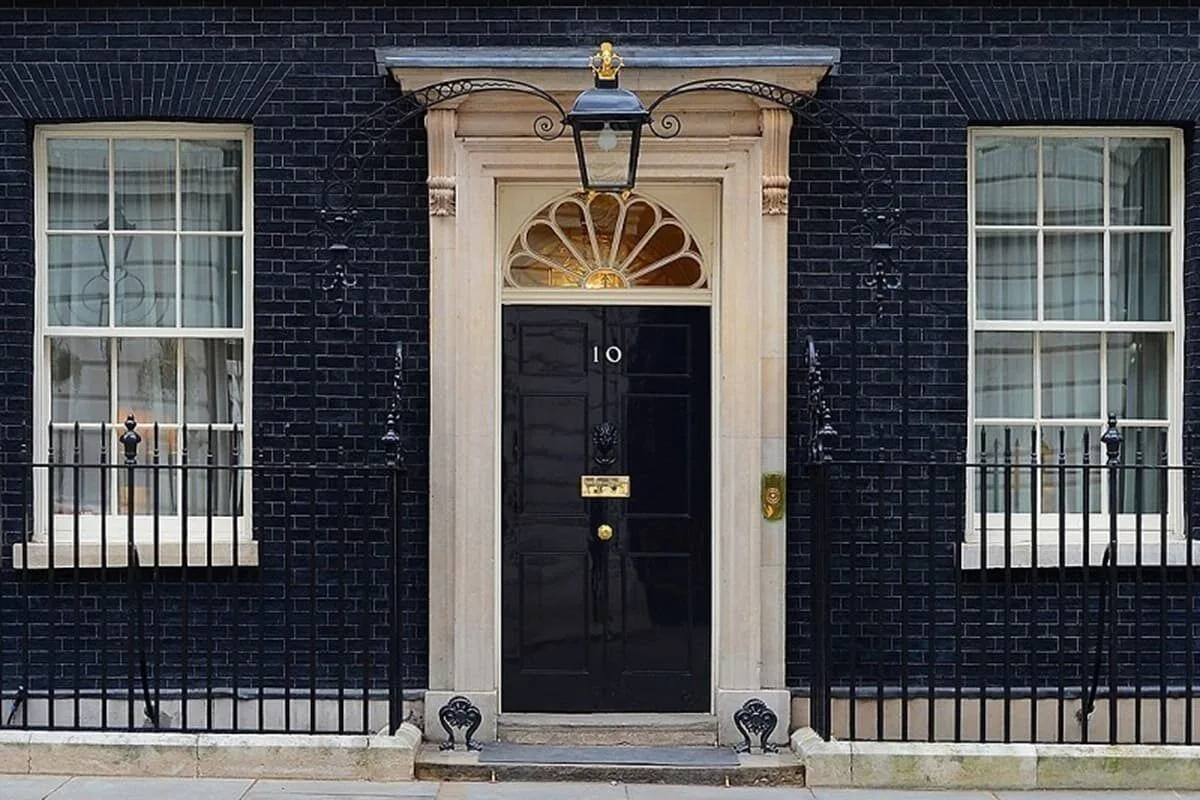
The UK has witnessed a record-breaking change in leadership, with Andy Burnham, a 56-year-old former mayor of Greater Manchester, entering 10 Downing Street as the new Prime Minister. This marks a significant shift in the country's leadership, following the resignation of Keir Starmer.
David Cameron, a 59-year-old former Conservative Party leader, had a notable stint as Prime Minister from 2010 to 2016. During his initial term, he led the UK's first post-1945 coalition government with the Liberal Democrats, which ended in 2015. Cameron then secured a majority in the 2015 election, beginning a second term that concluded with his resignation after the Brexit referendum vote in 2016.
Theresa May, who served as the second female UK Prime Minister from July 2016 to July 2019, was tasked with the complex negotiations to withdraw from the European Union. Her efforts ultimately led to her resignation after the UK Parliament repeatedly rejected her negotiated Withdrawal Agreement, a treaty detailing the terms of Britain's exit from the European Union.
Boris Johnson, a 62-year-old Conservative Party politician, achieved a historic 80-seat election victory, securing the UK's exit from the European Union. However, he resigned as Prime Minister on September 6, 2022, following a series of political scandals that led to a mass exodus of government ministers.
Liz Truss, a 49-year-old Conservative Party politician, assumed office as the shortest-serving Prime Minister in British history, lasting just 45 days in the top job. Her resignation statement highlighted her vision for a low-tax, high-growth economy but acknowledged her inability to deliver the mandate on which she was elected.
Rishi Sunak, a 46-year-old former Chancellor of the Exchequer, made history as the first non-white Prime Minister in the UK, serving from 2022 to 2024. He stepped down following his defeat to Keir Starmer's Labour Party in the 2024 general election.
Keir Starmer, a 63-year-old Labour Party politician, resigned as Prime Minister and leader of the Labour Party, citing heavy local election losses, dwindling poll ratings, and pressure from within his own cabinet. His resignation paved the way for Andy Burnham's ascension to the office of Prime Minister.
In the UK, the Prime Minister is not directly elected by the public. Instead, voters elect local Members of Parliament (MPs) to represent their constituencies in the House of Commons. The leader of the political party that wins the majority of these seats is then invited by the monarch to form a government and become the Prime Minister. With no fixed term length for a Prime Minister, they can serve indefinitely as long as they maintain the support of the House of Commons.