

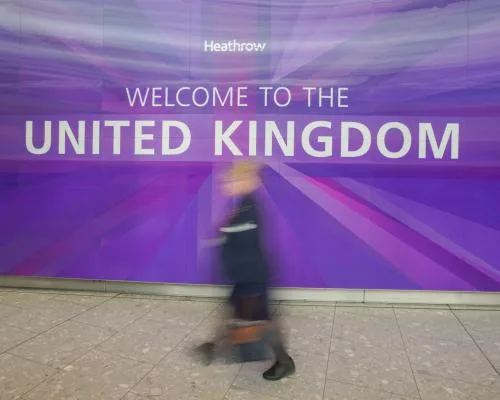
The UK's net migration has fallen by 48% to 171,000 in the year to December 2025, according to new figures from the Office for National Statistics (ONS). This is the lowest figure since early 2021, when the post-Brexit immigration system was introduced and Covid-19 travel restrictions were still in place. Net migration is the difference between the number of people moving long-term to the UK and the number of people leaving the country.
An estimated 813,000 people immigrated to the UK in the year to June, while 642,000 emigrated. The continued fall in net migration is being driven by fewer people from outside the EU arriving in the UK for work, the ONS said. It's clear that the government's efforts to reduce net migration are working, but there's still more work to be done.
Shabana Mahmood, the home secretary, has said the immigration figures show the government is making “real progress” on border controls. In a statement, she said: Net migration has fallen by 82% in just three years. We'll always welcome those who contribute to this country and wish to build a better life here. However, we must restore order and control to our borders. We can't let the system get out of control, and we won't tolerate abuse of the system.
As these statistics show, real progress has been made, but there's still work to do. That's why I'm introducing a skills-based migration system that rewards contribution and ends Britain’s reliance on cheap overseas workers. This system will help to ensure that those who come to the UK are doing so for the right reasons, and that they're contributing to the country's economy.
The sharp fall in the net immigration figures is largely a result of tougher rules for work visas and student visas, originally introduced by James Cleverly when he was home secretary in the Conservative government, and then mostly kept in place by Labour. These rules have helped to reduce the number of people coming to the UK, and they're a key part of the government's efforts to control immigration.
Many people wrongly believe the opposite, according to new research from the British Future thinktank, published before today’s ONS figures came out. Reform UK and Conservative party supporters are most likely to think, wrongly, that net immigration has been going up. They don't realize that the numbers have actually been falling, and that the government's efforts are paying off.
The UK government has been working to reduce net migration, and the latest figures show that these efforts are paying off. However, the issue of immigration remains a contentious one in British politics, with different parties having different views on how to manage the system. It's a complex issue, and there's no easy solution. But the government is committed to finding a solution that works for everyone.
In other news, Rachel Reeves, the chancellor, is announcing a series of measures to help people with the cost of living. She wants people to enjoy a “Great British summer”, she says. Reeves's plan for what makes for a good summer isn't quite the same as Samantha Niblett’s; the chancellor is talking about free bus travel for children. This will help to make it easier for families to get out and enjoy the summer, and it's a great way to support those who need it most.
Wes Streeting has given an interview to the BBC’s Nick Robinson for his Political Thinking podcast, and he had a lot more to say about his policy agenda than he did in his resignation speech in the Commons yesterday. As the BBC reports, Streeting proposed a “wealth tax that works” – by which he means not what most people think of as a wealth tax, but instead aligning capital gains tax rates with income tax rates. This is a key part of his plan to make the tax system fairer, and it's something that he's passionate about.
The UK government will continue to monitor the immigration situation and make adjustments as necessary. The latest figures show that the government's efforts to reduce net migration are working, but there's still more work to be done. The government won't be able to solve the issue of immigration overnight, but it's committed to finding a solution that works for everyone.
As the UK continues to navigate the complexities of immigration, it's clear that the issue will remain a major talking point in British politics. With the government's new skills-based migration system and other measures aimed at reducing net migration, it will be interesting to see how the situation develops in the coming years. The government's efforts are paying off, but there's still a long way to go.
Key Facts
- Net migration to the UK stood at an estimated 171,000 in the year to December 2025
- This is a 48% decrease from the previous year
- The fall in net migration is largely due to fewer people from outside the EU arriving in the UK for work
- The UK government has introduced a skills-based migration system to reward contribution and end reliance on cheap overseas workers
- Many people wrongly believe that net immigration has been going up, according to research from the British Future thinktank
The UK's immigration system has undergone significant changes in recent years, with the introduction of the post-Brexit immigration system and the Covid-19 pandemic having a major impact on migration patterns. As the country continues to navigate these changes, it's clear that the issue of immigration will remain a major talking point in British politics. The government's efforts to reduce net migration are just one part of the solution, and it's likely that we'll see more changes in the coming years.
In the coming months and years, it will be interesting to see how the UK's immigration system evolves and how the government's efforts to reduce net migration play out. With the latest figures showing a significant decrease in net migration, it's clear that the government's efforts are having an impact. However, the issue of immigration is complex and multifaceted, and there are many different factors at play. The government can't solve the issue on its own, and it will need to work with other stakeholders to find a solution.
As the UK continues to navigate the complexities of immigration, it's clear that the issue will remain a major challenge for the government and for British society as a whole. The government's efforts to reduce net migration are just one part of the solution, and it's likely that we'll see more changes in the coming years. The UK's immigration system is constantly evolving, and it's likely that we'll see more changes in the future. The government will need to be flexible and adapt to changing circumstances, and it will need to work with other stakeholders to find a solution that works for everyone.