

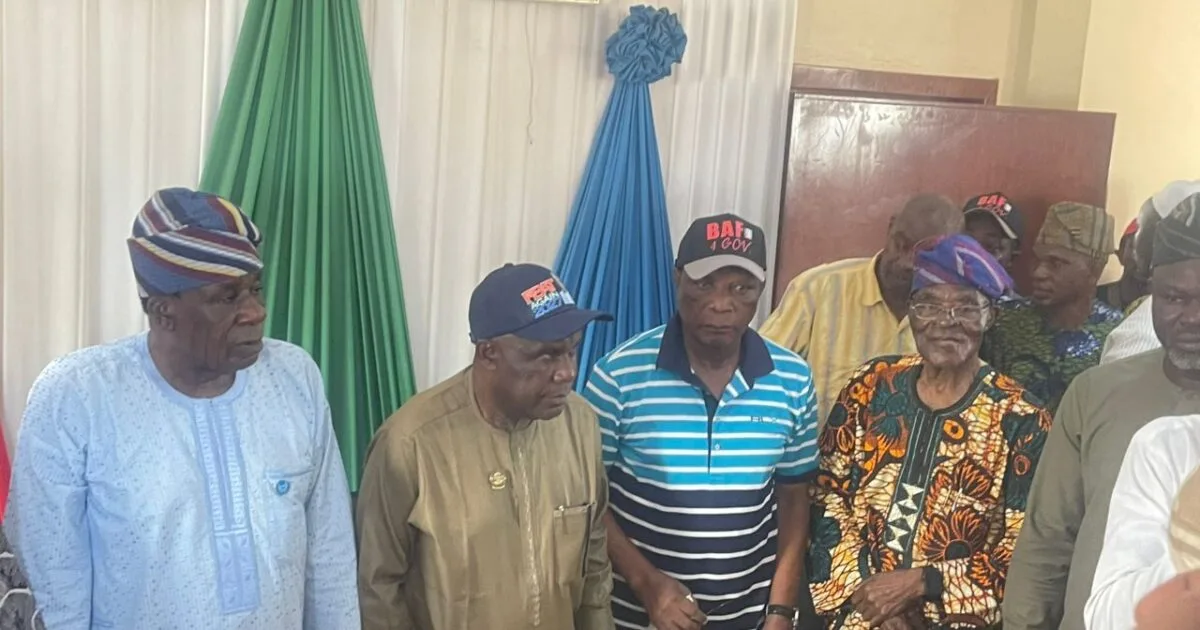
In a surprising move, Fatai Buhari, a governorship aspirant in Oyo State, has declared his readiness to participate in a direct primary election. This announcement has sent shockwaves through the political landscape of the state, with many seeing it as a bold move by the aspirant. The direct primary election is a system where all registered members of a party vote to choose their candidate, as opposed to the indirect primary system where only delegates vote. Fatai Buhari's decision to back the direct primary system is seen as a way to ensure a free and fair contest. He believes that this system will give all aspirants an equal chance to emerge as the party's candidate.
The All Progressives Congress (APC) has been preparing for its primary elections, and Fatai Buhari's announcement has added a new twist to the process. The party has been grappling with the issue of how to conduct its primary elections, with some members advocating for the direct primary system while others prefer the indirect system. Fatai Buhari's decision to support the direct primary system is seen as a way to strengthen the party's internal democracy. He emphasized that the party's candidate should be chosen through a transparent and credible process.

The development has sparked a lot of interest in the political circles of Oyo State, with many analysts seeing it as a significant move by Fatai Buhari. The aspirant's decision to back the direct primary system is seen as a way to appeal to the party's grassroots members. He believes that the party's candidate should be chosen by the people, rather than by a select group of delegates. Fatai Buhari's announcement has also raised questions about the party's preparedness for the primary elections.
The APC has been facing challenges in recent times, with many of its members defecting to other parties. The party's leadership has been working to strengthen its internal structures and ensure that its primary elections are conducted in a free and fair manner. Fatai Buhari's decision to support the direct primary system is seen as a way to restore confidence in the party's electoral process.
Key Facts
- Fatai Buhari is a governorship aspirant in Oyo State.
- He has expressed his support for a direct primary election.
- The direct primary election is a system where all registered members of a party vote to choose their candidate.
- The All Progressives Congress (APC) is preparing for its primary elections.
- Fatai Buhari believes that the direct primary system will give all aspirants an equal chance to emerge as the party's candidate.
Background
The APC has been grappling with the issue of how to conduct its primary elections for some time now. The party's leadership has been considering different options, including the direct primary system and the indirect primary system. Fatai Buhari's decision to support the direct primary system is seen as a way to break the deadlock. He believes that the party's candidate should be chosen through a transparent and credible process.

The direct primary system has been used by some parties in the past, with mixed results. Some have argued that it is a more democratic system, as it allows all registered members of the party to participate in the selection of the candidate. Others have argued that it is a more expensive and time-consuming system, as it requires the party to organize elections across the state.
The APC's decision on how to conduct its primary elections will have significant implications for the party's future. The party's leadership is under pressure to ensure that the primary elections are conducted in a free and fair manner. Fatai Buhari's decision to support the direct primary system is seen as a way to strengthen the party's internal democracy.
The Direct Primary System
The direct primary system is a system where all registered members of a party vote to choose their candidate. This system is seen as a more democratic system, as it allows all members of the party to participate in the selection of the candidate. The system is also seen as a way to reduce the influence of money in politics, as candidates are not required to bribe delegates to vote for them.
The direct primary system has been used by some parties in the past, with mixed results. Some have argued that it is a more expensive and time-consuming system, as it requires the party to organize elections across the state. Others have argued that it is a more transparent system, as it allows all members of the party to see how the candidate is chosen.
The APC's decision to adopt the direct primary system will have significant implications for the party's future. The party's leadership is under pressure to ensure that the primary elections are conducted in a free and fair manner. Fatai Buhari's decision to support the direct primary system is seen as a way to strengthen the party's internal democracy.
The All Progressives Congress (APC)
The APC is one of the major political parties in Nigeria. The party was formed in 2013, through the merger of several opposition parties. The party's leadership has been working to strengthen its internal structures and ensure that its primary elections are conducted in a free and fair manner.
The APC has been facing challenges in recent times, with many of its members defecting to other parties. The party's leadership has been working to restore confidence in the party's electoral process. Fatai Buhari's decision to support the direct primary system is seen as a way to strengthen the party's internal democracy.
The APC's primary elections will be a significant test for the party's leadership. The party's leadership is under pressure to ensure that the primary elections are conducted in a free and fair manner. Fatai Buhari's decision to support the direct primary system is seen as a way to break the deadlock and ensure that the party's candidate is chosen through a transparent and credible process.
The Implications
The implications of Fatai Buhari's decision to support the direct primary system are significant. The decision is seen as a way to strengthen the party's internal democracy and ensure that the party's candidate is chosen through a transparent and credible process. The decision is also seen as a way to reduce the influence of money in politics, as candidates are not required to bribe delegates to vote for them.
The decision will also have significant implications for the party's future. The party's leadership is under pressure to ensure that the primary elections are conducted in a free and fair manner. Fatai Buhari's decision to support the direct primary system is seen as a way to break the deadlock and ensure that the party's candidate is chosen through a transparent and credible process.
The direct primary system is a more democratic system, as it allows all registered members of the party to participate in the selection of the candidate. It is a way to reduce the influence of money in politics, as candidates are not required to bribe delegates to vote for them.
The Next Steps
The next steps for the APC will be to organize the primary elections. The party's leadership will need to ensure that the elections are conducted in a free and fair manner. Fatai Buhari's decision to support the direct primary system is seen as a way to strengthen the party's internal democracy.
The party's leadership will need to work to restore confidence in the party's electoral process. The party has been facing challenges in recent times, with many of its members defecting to other parties. Fatai Buhari's decision to support the direct primary system is seen as a way to break the deadlock and ensure that the party's candidate is chosen through a transparent and credible process.
The APC's primary elections will be a significant test for the party's leadership. The party's leadership is under pressure to ensure that the primary elections are conducted in a free and fair manner. Fatai Buhari's decision to support the direct primary system is seen as a way to strengthen the party's internal democracy and ensure that the party's candidate is chosen through a transparent and credible process.
Conclusion
In conclusion, Fatai Buhari's decision to support the direct primary system is a significant development in the APC's primary elections. The decision is seen as a way to strengthen the party's internal democracy and ensure that the party's candidate is chosen through a transparent and credible process. The implications of the decision are significant, and the party's leadership will need to work to restore confidence in the party's electoral process.
The APC's primary elections will be a significant test for the party's leadership. The party's leadership is under pressure to ensure that the primary elections are conducted in a free and fair manner. Fatai Buhari's decision to support the direct primary system is seen as a way to break the deadlock and ensure that the party's candidate is chosen through a transparent and credible process.
The decision will also have significant implications for the party's future. The party's leadership will need to work to strengthen the party's internal structures and ensure that the primary elections are conducted in a free and fair manner. Fatai Buhari's decision to support the direct primary system is seen as a way to strengthen the party's internal democracy and ensure that the party's candidate is chosen through a transparent and credible process.