

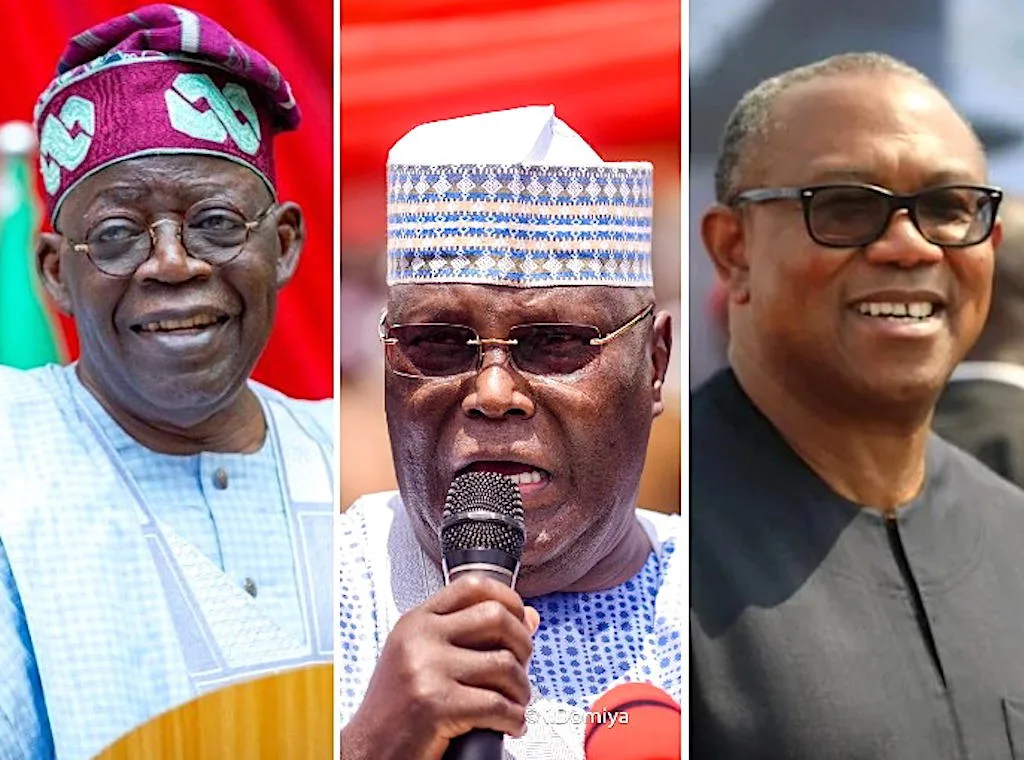
Opposition political parties in Nigeria are stirring the pot, floating a bold idea: a single, four-year term for whoever emerges as their joint presidential candidate in the 2027 general elections. The aim is to present a united front, tackle the ruling APC, and offer a fresh alternative. But the question on everyone's lips is: can you really trust a political promise like this in Nigeria? Especially one that asks a powerful leader to willingly give up a chance for a second term?
This isn't just a casual chat; a group called the G-100, comprising opposition parties and stakeholders, met recently in Abuja for a Summit of Nigeria’s Opposition Political Parties. They're talking about a 'Government of National Competence' and a 'Single-Term Transition Charter'. The idea is to reset the country in four years and then, presumably, hand over the reins.
But let's be real, since Nigeria returned to democracy in 1999, no president has ever voluntarily said, 'You know what, I've had enough after four years, I'm out.' Olusegun Obasanjo did two full terms. Yar'Adua died before finishing his first. Goodluck Jonathan finished Yar'Adua's term and then won his own four-year term, serving until 2015. Muhammadu Buhari, like Obasanjo, served two full terms from 2015 to 2023. And President Bola Tinubu, currently in office since 2023, is constitutionally eligible for a second term.
The temptation of a second term has always been a major calculation in Nigerian politics, often trumping zoning or rotation agreements when power is within reach.
Akin Oshuntokun, who served as a Special Adviser to former President Olusegun Obasanjo, is not convinced. He told Sunday Vanguard that this proposal might not change much in the political landscape. He even questioned the logic: if a president is doing a great job, why would anyone want them to leave after just four years? He suggested such a proposal might only appeal to someone who expects to be a mediocre leader, not someone who plans to make a real impact.
Chief Ademola Folarin, the General Secretary of Afenifere and a legal practitioner, agrees that a single term is possible if a candidate chooses it. However, he cautioned that banking on such a pledge would be "politically naive." Folarin pointed out that a candidate with a constitutional right to two terms might not easily give it up based on a non-binding promise. He also added that the Northern political establishment is too savvy to fall for such a bait if a Southern candidate were to propose it. The only clear-cut case, he noted, is Goodluck Jonathan, who already served one term and couldn't serve more due to constitutional limits.
For this single-term idea to hold any real weight, critics argue it needs more than just a handshake agreement. It would need to be cemented by constitutional amendments, enforceable contracts, and strong institutions that can actually hold a president accountable to such a promise. Otherwise, it's just another political statement in a country where promises, especially those involving the surrender of power, have a rather shaky track record. The political season is heating up, and Nigerians are left wondering if this latest opposition plan is a genuine path to a new kind of leadership, or just another political gamble.