

A Lesson in Empathy from a South African Editor
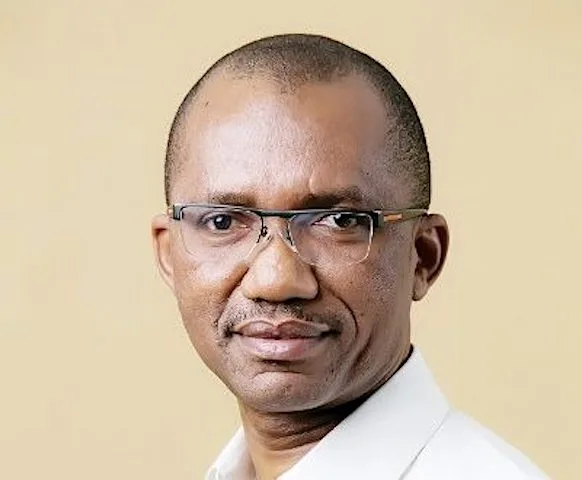
Azu Ishiekwene, a Nigerian journalist, recently shared a story about a conversation with Tony Weaver, a former editor of the Daily Maverick in South Africa. The conversation took place during the Israeli war in Gaza, when Ishiekwene had written a piece criticizing the Hamas attack on Israel. Tony Weaver reached out to him, explaining that his paper couldn't publish the piece due to the sentiment in the country being in favor of the Palestinians.
But what really got Ishiekwene thinking was Tony's words: "Azu, great piece, as usual. But you know, South Africans owe the Palestinians a lot for the role the PLO played in our struggle for freedom. DM does not support any premeditated violence against innocent people, but the sentiment in the country is hugely in favour of the Palestinians."
### The Lesson of Conscience and Country First
Ishiekwene realized that many times, he wrote or published articles motivated more by anger and frustration with the system than by the consequences of the impact of what he wrote or caused to be published. He learned a valuable lesson from Tony that day: empathy, conscience, and weighing the reach and impact of what we say or write.
### Nigeria's Insecurity Crisis
The situation in the Sahel, especially after the collapse of Libya, has worsened violent extremism in northern Nigeria. Politicians, especially those from the north, have exploited culture and religion to their advantage, impoverished citizens, and fertilized radicalism. Ishiekwene notes that the choices made by politicians over the last 27 years have exacerbated the problem.
### The Role of Journalism
A 2023 report by the Reuters Institute for the Study of Journalism found that 57% of Nigerians trust most news most of the time, placing Nigeria fourth out of 46 markets surveyed worldwide. However, concerns exist that it's not the number of front-page reports that's the issue, but rather the poor quality of reporting without context, meaning, and accuracy. This has enabled poor choices by politicians and those responsible for managing the crisis, endangering the lives of troops.
### The Nigerian Angle
This crisis has direct implications for Nigeria, with banditry and kidnapping becoming as destabilizing as Boko Haram/ISWAP. The Nigerian press has a significant role to play in holding those in power accountable and ensuring that the country's security challenges are addressed.
### Key Facts
- 57% of Nigerians trust most news most of the time (Reuters Institute for the Study of Journalism, 2023)
- The Sahel region's collapse has worsened violent extremism in northern Nigeria
- Politicians have exploited culture and religion to their advantage, impoverished citizens, and fertilized radicalism
- Banditry and kidnapping are becoming as destabilizing as Boko Haram/ISWAP
- The Nigerian press has a significant role to play in holding those in power accountable