

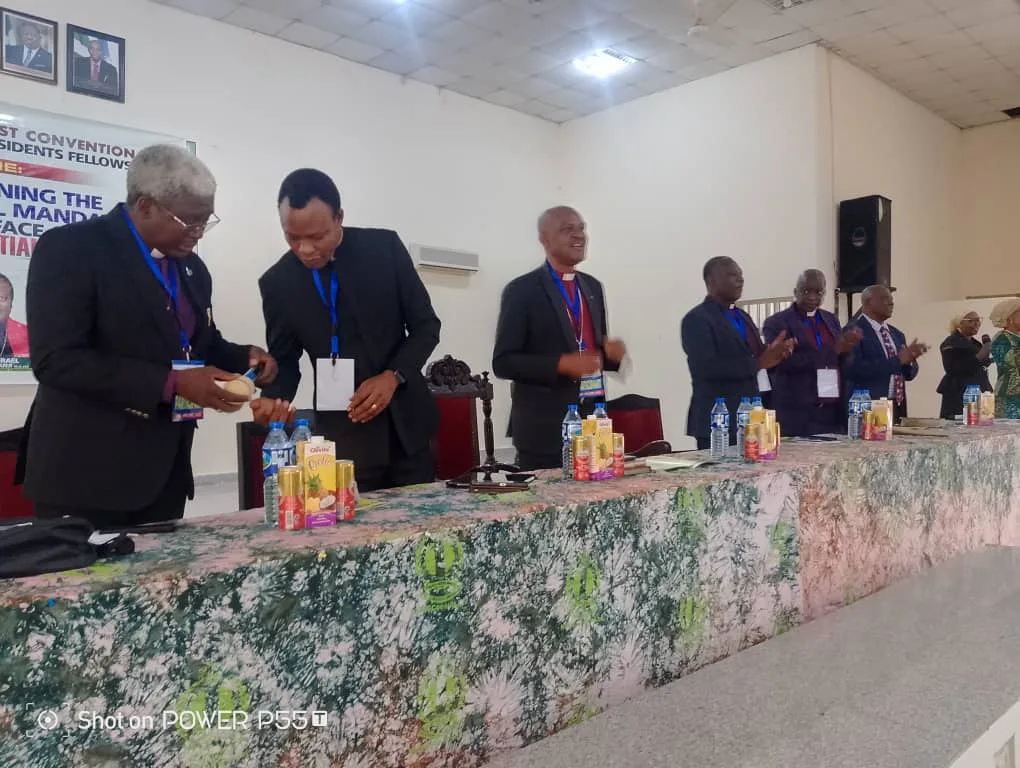
The Nigerian Baptist Convention's Conference Presidents and their wives have expressed concern over persistent attacks on churches and Christian communities in Plateau State and other parts of Northern Nigeria.
According to the President of the Plateau Baptist Conference, Rev. Dr. Kogleh Saleh, churches in the state have endured more than two decades of violence and targeted attacks against Christian communities.
The recent shift in attacks from urban centres to rural communities has negatively affected Baptist missionary work, particularly church planting efforts. Baptist churches, which typically operate in rural areas, are being increasingly threatened by insecurity, forcing some to shut down or relocate.
Saleh disclosed that several churches had been destroyed or forced to close due to attacks on their host communities. Specifically, nine churches in the Mangu Central Baptist Association had been affected, including Alheri Baptist Church, Washna, where both the church building and pastorium were completely destroyed.
Saleh commended the members of the affected churches for their resilience and commitment to worship, citing the example of Alheri Baptist Church, Jwakmaitumbi, where members continued worshipping in a primary school after being displaced from their community.
The church remained a symbol of resilience, with members continuing to assemble for worship in the refugee camp despite the challenges they faced. Despite the odds, church members showed remarkable commitment to their faith.
According to Saleh, the crisis had significantly reduced church income and increased financial pressure on the conference. Many Baptist churches across Northern Nigeria continue to face threats from kidnapping, banditry, and insurgency, largely because of their missionary activities in rural areas.
Saleh urged the government to fulfill its constitutional responsibility of protecting lives and property and advocated for the establishment of state police as part of measures to address insecurity. He believed that the government should 'match its words with action,' and that security personnel who compromise their duties should be sanctioned, while communities should be empowered to protect themselves within the law.
Saleh also looked forward to the establishment of state police, which has remained one of the recurring promises by government.
The Baptist leaders called on governments at all levels to take decisive action to address the insecurity affecting communities across the country. They emphasized that it was essential for governments to take concrete steps to prevent further violence.
The concerns were raised at the end of a three-day annual retreat of the National Fellowship of Conference Presidents of the Nigerian Baptist Convention held at the National Institute for Policy and Strategic Studies (NIPSS), Kuru, in Jos South Local Government Area of Plateau State.
Rev. Dr. Richard Udoh King, Chairman of the National Fellowship of Conference Presidents, stated that insecurity in Northern Nigeria affects all church denominations, not just the Baptist Convention. 'The insecurity has created a challenging environment for church planting and missionary work in the region.'
Saleh noted that the theme of the retreat, 'Sustaining the Gospel Mandate in the Face of Existential Threats,' was particularly relevant given the security challenges facing Plateau State and other parts of the country.
He again commended the members of the affected churches for their resilience and commitment to worship, citing the example of Alheri Baptist Church, Jwakmaitumbi, where members continued worshipping in a primary school after being displaced from their community. Saleh's words highlighted the unwavering commitment of church members to their faith.