

FIFA president Gianni Infantino's comments about Argentina's win over Cape Verde in the Round of 32 have sparked controversy at the 2026 World Cup. The statement, made in a post-match interview, has been replayed a million times since its release.
Infantino's comment, 'Tonight, I suffered with Argentina' but later added 'but I'm neutral', raises questions about fairness and bias. The incident is not the first time concerns have been raised about the involvement of football in politics.
A re-referee of the match between Egypt and Argentina, using VAR, suggests a case of double standards. The French referee, in charge of the match, was accused of not seeing a foul committed by an Argentine player. VAR intervention resulted in the award of a penalty to Argentina. The incident is the second such case in a fortnight.
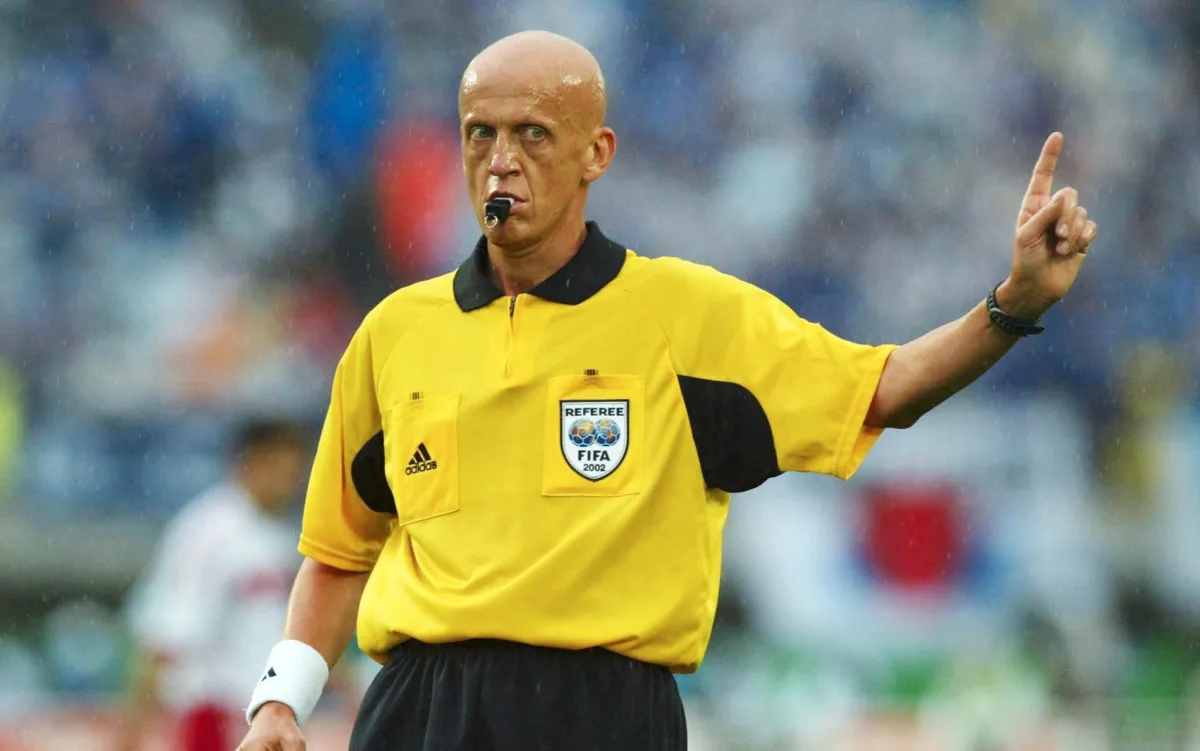
FIFA's referee chief, Collina, defended the decision, saying 'We believe that a foul is a foul. Regardless of whether the foul appears obvious, if the referee did not see it on the field of play, the VAR can intervene.'
However, some argue that Collina's statement contradicts FIFA's own protocol. The protocol allows for review of any foul in the buildup to a goal, however delayed.
The controversy has led to calls for greater transparency in refereeing decisions. Many fans feel that the influence of politics in football is growing. The 2026 World Cup has seen several high-profile incidents, including the award of a penalty to Argentina against Egypt. The incident raised questions about the impartiality of referees in the tournament.
The incident is not the first time concerns have been raised about the involvement of football in politics. The 2022 Qatar final was marred by controversy, with many accusing FIFA of steering penalty kicks Argentina's way.
In another incident, President Donald Trump personally called Infantino to lobby for a review of Folarin Balogun's red card. FIFA reversed the suspension within 24 hours, offering barely any public explanation.
The controversy has sparked debate about the role of politics in football. Some argue that the influence of politics is growing, while others believe that the sport remains independent. The incident is a reminder that the relationship between football and politics is complex and multifaceted.
FIFA's own protocol allows for review of any foul in the buildup to a goal, however delayed. However, some argue that Collina's statement contradicts this protocol. The controversy has led to calls for greater transparency in refereeing decisions.
The 2026 World Cup has seen several high-profile incidents, including the award of a penalty to Argentina against Egypt. The incident raised questions about the impartiality of referees in the tournament.
The incident is a reminder that the relationship between football and politics is complex and multifaceted. FIFA must ensure that refereeing decisions remain impartial and free from bias.
Egypt led 2-0 with less than 25 minutes left, but a VAR review ruled out Mostafa Ziko's goal. Commentators called it beyond VAR's remit. The incident is the second case in a fortnight where a VAR review has broken an Argentine player's way.
The controversy has sparked debate about the role of politics in football. The incident is a reminder that the relationship between football and politics is complex and multifaceted.
FIFA must ensure that refereeing decisions remain impartial and free from bias.