

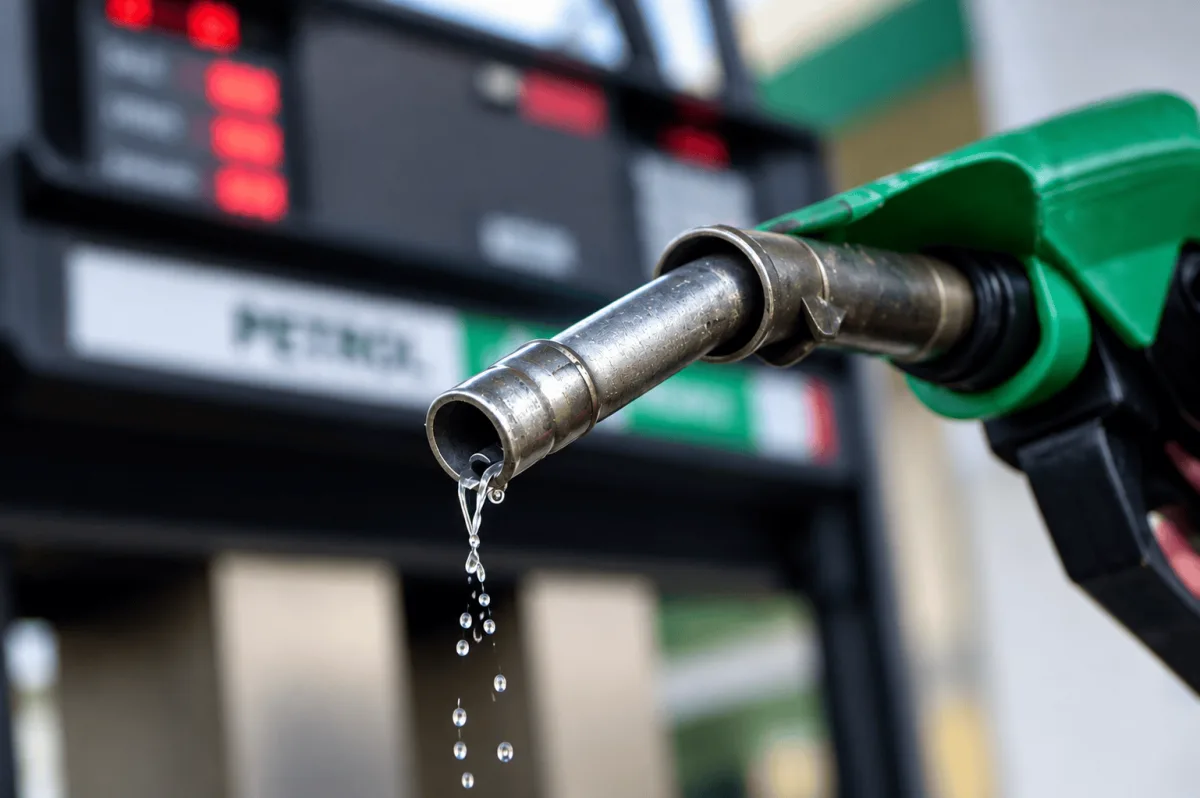
The ghost of fuel subsidy is back to haunt Nigeria, thanks to former Vice President Atiku Abubakar's bold promise to reinstate it if he wins the upcoming election. But this isn't just about political promises; it's about money. The Federal Ministry of Finance recently tried to explain how much savings the country made after taking away the subsidy in 2024. Yet, their numbers seem to have a few missing pieces, leaving many scratching their heads about how these massive payments were actually handled.
For years, the fuel subsidy wasn't really a line item in any government budget. Instead, it was managed by the national oil company, NNPC Limited (NNPCL). The deal was that subsidy payments would be a first charge on the federation account – meaning they got paid before other government revenues were shared. This made it hard to track, as it never passed through the usual government budgeting process. A cleaner way would have been for federal and state governments to agree on how to share the subsidy cost from the federation account, but that never really happened.
The finance minister's attempt at transparency mainly focused on how currency reforms have boosted government revenues. The real question, PREMIUM TIMES believes, is whether removing the subsidy in 2024 actually led to more money flowing from NNPCL into the federation account. This is the only way we can start to make sense of the whole subsidy saga.
But even that isn't straightforward. The federation account receives money from various sources, not just subsidy savings. To truly understand the finances, we need to dig into NNPCL's records. How much did they pay out for subsidies in the last year it was active? And was the government actually owing NNPCL any money before that? These are critical details that are still fuzzy.
And then there's the impact of President Bola Ahmed Tinubu's executive order signed earlier this year. This order stopped NNPCL from taking a huge 30% cut of oil revenues as a management fee on profits from certain oil contracts. The goal was to free up more cash for the federation account. The key now is figuring out if any increase in NNPCL's contributions is truly because of subsidy removal or just a result of these other reforms.
Answering this question is proving to be a real headache. You see, NNPCL might be selling more crude oil at higher prices because of the ongoing war in Iran, which should naturally boost their remittances. Also, with NNPCL no longer taking hefty management fees, that also adds to the government's income. So, any increase in the federation account's coffers might not be directly linked to the fuel subsidy removal at all.
NNPCL's own books are the next stop. For years, these subsidy costs were hidden under different names, like "under-recovery." To compare apples with apples, we need to look at NNPCL's accounts from before 2024 to see how these specific costs were recorded. The numbers and how they were labelled then might finally shed some light on the true cost of keeping fuel prices artificially low.
Key Facts
- The fuel subsidy was removed in 2024.
- NNPCL used to manage subsidy payments as a first-line charge on the federation account.
- An executive order by the president stopped NNPCL from charging 30% of oil revenue as a management fee.
- The ongoing war in Iran has led to higher global oil prices.
- Atiku Abubakar has pledged to reinstate the fuel subsidy if elected.