

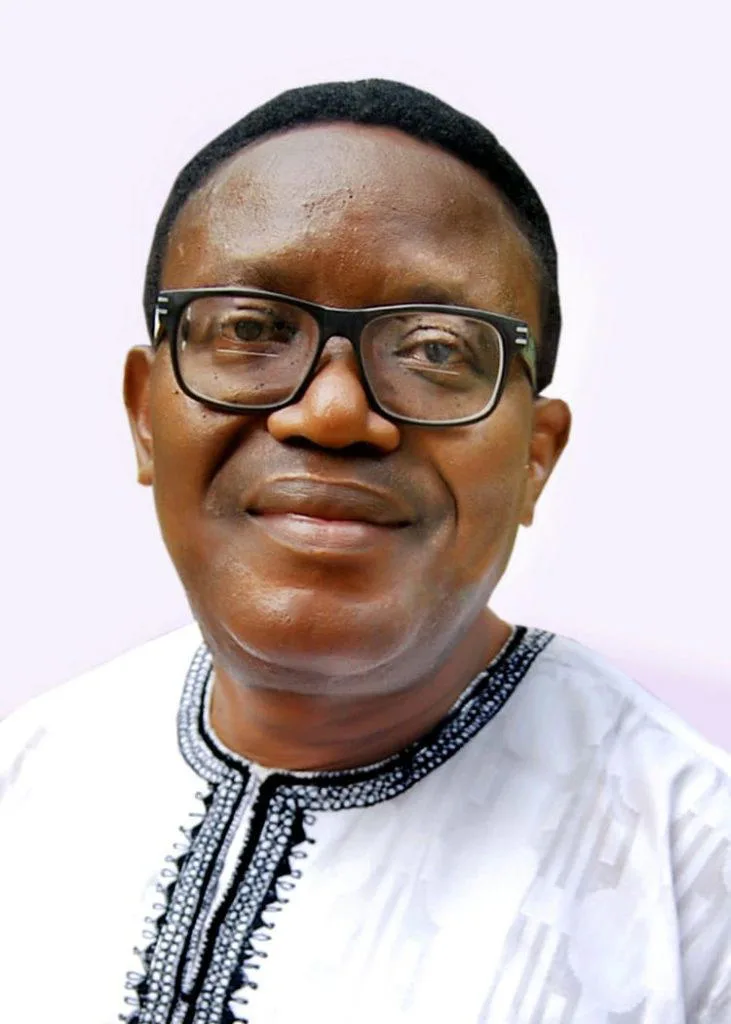
Forget 'Excellency' and 'Your Honour'. For Rauf Aregbesola, the real title is earned through action, not assigned by a position. This is the core message buzzing around Abuja this week, following the launch of Olakunle Abimbola's new book, 'Ogbeni: The Osun Renaissance Years'. The book, launched on September 3rd, 2026, isn't your typical political memoir filled with praise singing. Instead, it's pitched as a practical guide for aspiring leaders, using Aregbesola's time as Osun State Governor as a case study.
Aregbesola, a man who famously sticks to 'Mr.' and his Yoruba title 'Ogbeni' – meaning 'master' or 'gentleman' – argued at the launch that titles like 'Excellency' should only be a measure of work done, not a default award for holding office. The book aims to showcase how he tackled societal challenges and delivered development, even when money was tight, by focusing on concrete achievements rather than empty accolades. "In our country, a term in office rarely ends with a report card. It ends, far more often, with a song of praise, or a defence dressed up as an achievement," Aregbesola stated, explaining the book's purpose: to offer verifiable facts as a leadership manual.
The book's focus on inclusive, developmental politics resonated with many. Cuban Ambassador Miriam Morales Palmero, who affectionately calls Aregbesola 'Aregbe', spoke warmly of his friendship with Cuba, highlighting his role in creating opportunities for Nigerian youth to study medicine and other specialities in Cuba. She emphasized that true leadership transforms lives and opens doors, planting hope, not just holding office. The Cuban delegation was represented by Deputy Ambassador Ana Flavia Nuevo.
Dr. Denja Abdullahi, former President of the Association of Nigerian Authors (ANA), shared that the association supported Aregbesola during his governorship because they saw him governing with purpose and championing progressive politics. He was a governor pushing the idea of indigenization, a concept that seeks to promote local content and businesses.
Abimbola Daniyan, an engineer who served in the Osun administration, pointed to how programmes executed under Aregbesola created value chains. For instance, the mass production of school uniforms under an education initiative transformed the tailoring industry in the state by professionalizing and upskilling tailors. This, he noted, demonstrated a crucial link between leaders and the people they serve, a stark contrast to what he described as the increasingly transactional nature of leadership in Nigeria.
Former Ambassador to Mozambique, Albert Gbolahan Omotayo, was also drawn to Aregbesola's indigenization policies. He reminisced about his own primary school days in 1950, where uniforms were made of traditional 'Aso Oke'. He urged that achievements should be separated from personal disagreements, and encouraged Aregbesola not to be disheartened by the actions of his successor.
Adding his voice, former Edo State Governor and Professor of Law, Oserheimen Osunbor, highlighted the book as a template for good governance. He stressed the importance of leaders documenting their own stories, lest others write them in ways that suit them. Mallam Bolaji Abdullahi, National Publicity Secretary of the African Democratic Congress (ADC), lauded Aregbesola as a strong human rights advocate who, despite holding firm to his positions, was open to superior arguments.