

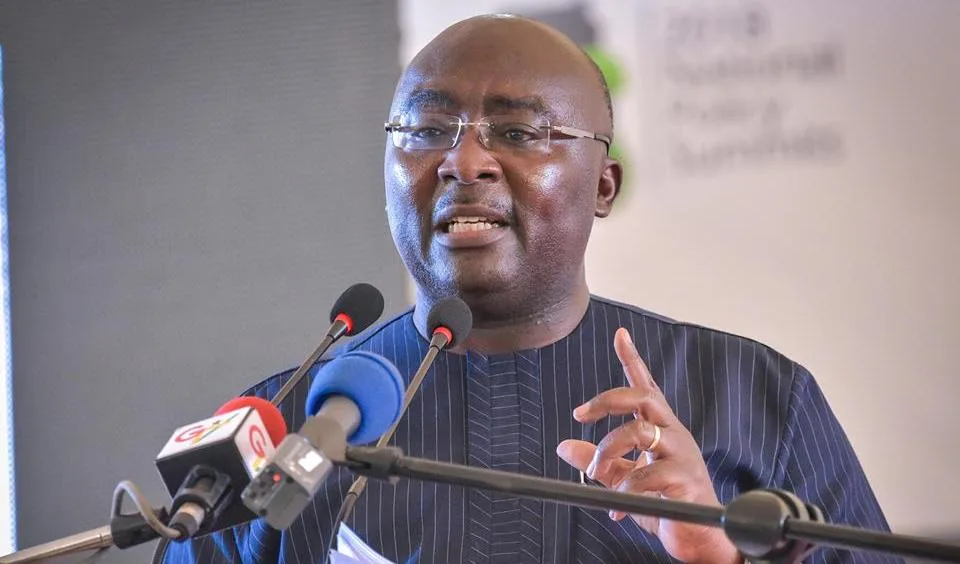
Fellow Ghanaians, I speak to you on a matter that has the potential to reshape our justice delivery system, confidence in our judiciary and the future of our democracy all together; The attempt to re-introduce tribunals into Ghana’s Judicial System.
Last week, Parliament passed the Tribunals Bill, 2026. The mandatory one-day interval between the consideration stage and the third reading was waived, so that the Bill could be passed the same day. The Minority’s objections were voted down. Organised labour objected loudly and publicly but was ignored.
The Trades Union Congress, the voice of millions of Ghanaian workers, has called for the Bill to be withdrawn altogether, warning that in its current form it could become a potent tool for weaponising justice delivery.
Those are the words of Ghanaian workers, not of any political party. Consider also the government’s own process. The President established the Constitution Review Committee, and it reported last December. This Committee recommended removing Regional Tribunals from the Constitution, because the High Court has long carried their caseload.
Yet the report has not been published. Before the nation has even read it, Parliament has rushed through and legislated in the opposite direction. Mr President, publish the report first. Consider, finally, history.
Under this Bill, panels that include persons who are not lawyers may sit in judgment over criminal matters. Ghanaians remember tribunals, and we remember what was done in their name. Our courts are congested, yes. But the answer to congested courts is to strengthen the courts: more judges, more courtrooms and digitised processes.
It is not to build a second system of justice beside the one the Constitution already gives us. Mr President, your government commands one of the largest majorities in the history of the Fourth Republic. With such numbers, Parliament can pass almost any bill it wishes. Not everything that can be passed should be passed.
The larger the majority, the greater the duty of restraint. History will not ask how many votes a law received. It will ask whether the law reflected the best desires of a broad section of the Ghanaian society.
My call is therefore simple and constructive. Withhold your assent. Convene genuine national engagement. Invite the Ghana Bar Association and other lawyers’ groups, organised labour, civil society, and the political parties, including my own; we will come in good faith.
And consult the Judiciary itself, the institution that must live with whatever Parliament creates. Justice belongs to no government and no party. It belongs to the Ghanaian people, and a law that reshapes the architecture of justice should rest on national consensus, not on a headcount.
Mr President, the pen is in your hand. Use it, not to sign this Bill, but to write an invitation to the nation through the Council of State in accordance with Articles 90 and 106 of the 1992 Constitution.
May God bless our homeland, Ghana and make our nation great and strong. Thank you.
Dr Mahamudu Bawumia is a former Vice-President of Ghana and the 2028 New Patriotic Party (NPP) presidential flagbearer. He previously served as Vice-President from 2017 to 2021, under President Nana Akufo-Addo.
Ghana’s judicial system has been under scrutiny in recent years, with concerns over delays and congestion in the courts. The proposed Public Tribunals Bill aims to establish a separate system of justice, which critics argue could undermine the independence of the judiciary.
Dr Bawumia has been a vocal critic of the bill, arguing that it would lead to a ‘second system of justice’ that would be prone to ‘abuse by those in power’. He has called for the bill to be withdrawn, citing concerns over its implications for justice delivery and democratic governance.
The Ghana Bar Association has also expressed concerns over the bill, warning that it would lead to a ‘destruction of the rule of law’. Other stakeholders, including civil society groups and organised labour, have also come out against the bill, citing concerns over its impact on the judiciary and the justice system as a whole.
President John Dramani Mahama is facing a major test of leadership with the proposed Public Tribunals Bill. As the President, he has the power to veto the bill, which could have significant implications for the country’s justice delivery system.
The Council of State, which advises the President on constitutional matters, has not yet taken a position on the bill. However, the Council is expected to play a key role in the debate over the bill’s implications for the judiciary and the justice system as a whole.
The fate of the Public Tribunals Bill remains uncertain, as President Mahama weighs his options. Whatever decision he makes, it is likely to have significant implications for the country’s justice delivery system and democratic governance.
Ghana’s justice delivery system is facing a major crisis, with concerns over delays and congestion in the courts. The proposed Public Tribunals Bill aims to establish a separate system of justice, which critics argue could undermine the independence of the judiciary.
Key Facts
- The Public Tribunals Bill was passed by Parliament on July 18, 2026.
- The bill proposes the establishment of a separate system of justice, which critics argue could undermine the independence of the judiciary.
- The Trades Union Congress has called for the bill to be withdrawn altogether, citing concerns over its implications for justice delivery and democratic governance.
- The Ghana Bar Association has expressed concerns over the bill, warning that it would lead to a ‘destruction of the rule of law’.
- President John Dramani Mahama has not yet taken a position on the bill, but is expected to make a decision soon.
- The Council of State is expected to play a key role in the debate over the bill’s implications for the judiciary and the justice system as a whole.