

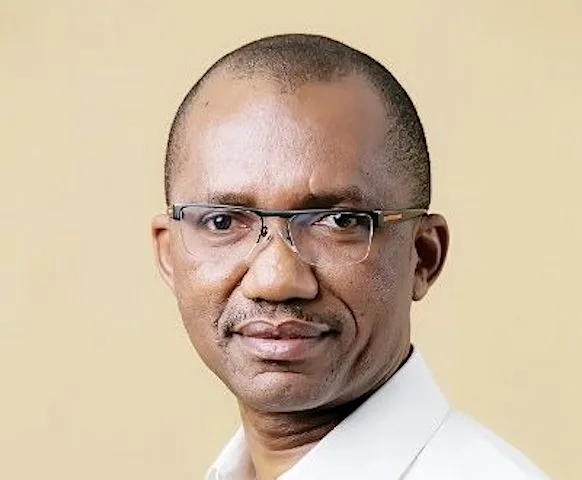
Former Vice President Atiku Abubakar has thrown a political grenade into the upcoming 2027 presidential race, promising to bring back the petrol subsidy if elected. This bold declaration has set tongues wagging and forced President Bola Tinubu's All Progressives Congress (APC) into a defensive scramble.
It's a classic political manoeuvre, echoing the sentiment that in the game of politics, all is fair. The APC, which has largely stood firm on the removal of fuel subsidies and hasn't adjusted prices despite global crude oil spikes, is now feeling the heat. Atiku, a seasoned politician who understands how to connect with the masses, has tapped into a deeply felt frustration among Nigerians who are struggling with the cost of living.
For many Nigerians, the petrol subsidy had become one of the few tangible benefits they felt they received from the government. The current administration's decision to remove it, coupled with reports of massive funds flowing to state governors, has left many feeling short-changed. Figures from the Federal Ministry of Finance show a significant increase in allocations to states and local governments over the past couple of years. For instance, between January and April 2023, before the subsidy was removed, Ekiti State, one of the poorest states in terms of federal allocation, received an average of about ₦1.73 billion monthly. Yet, by August 2026, the same state was reportedly receiving as much as ₦13.13 billion monthly.
President Tinubu himself has voiced concerns, publicly noting that state governors seem more interested in building bridges than in developing critical arterial roads that connect communities to economic centres. However, with 31 out of 36 states governed by members of his own party, the President faces a challenge in distancing himself from the performance, or lack thereof, of these governors.
But Atiku's promise, while popular, isn't a straightforward solution. Economist Thomas Sowell, in his seminal work 'Basic Economics,' argued that subsidies don't eliminate costs; they merely transfer or hide them. Someone, somewhere, always pays. Atiku's proposal to sell domestically produced crude oil to Nigerian refineries at a price below market value is questionable. Such a move could undo the progress made in local refining.
Investments in facilities like the Waltersmith Refinery, Edo Refinery, Aradel Refinery, and the much-anticipated Dangote Refinery, which were built without subsidies, could be jeopardized. A return to subsidies might also revive the old system of racketeering associated with fuel import licenses, which the state-owned NNPC previously profited from.
Furthermore, there's a legal hurdle. In March 2022, Senate President Ahmad Lawan indicated that an amendment to the Petrol...