

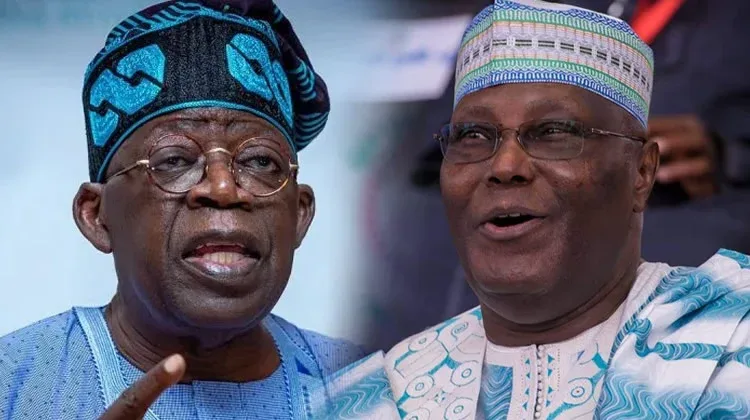
The political arena is heating up ahead of the 2027 general elections, with former Vice President Atiku Abubakar and President Bola Tinubu locking horns over the controversial removal of the petrol subsidy and the lingering questions surrounding the $16 billion spent on power projects during the Olusegun Obasanjo administration.
Atiku, who is also the presidential candidate for the African Democratic Congress, has directly challenged the Federal Government. He dared them to investigate and prosecute him if any concrete evidence links him to the alleged $16 billion expenditure on power projects years ago. He suggests these old allegations are being revived to distract from the government's handling of revenues generated since the petrol subsidy was scrapped. Nigerians, he pointed out, are now facing higher costs for petrol, transportation, and food, and he demands better accountability for the money saved.
The Presidency, however, fired back, criticising Atiku's stance on the subsidy. They accused him of proposing contradictory ideas, specifically questioning whether he would reinstate the subsidy if he were to win the presidency in 2027. This sharp exchange highlights the deep divisions and the escalating political tensions as the next election cycle approaches.
Meanwhile, closer to home for many Nigerians, the Dangote Petroleum Refinery is sounding an alarm. They've threatened to start exporting their petrol stocks if the current situation persists. The problem? Rising imports are creating a confusing domestic market and making it a nightmare to plan inventory. Imagine producing enough fuel for the country, only to find imported fuel making up a whopping 43 per cent of what was supplied in July, according to the refinery's claims.
This continued issuance of import licenses, they say, is making it nearly impossible to gauge future demand accurately.
This means petrol that isn't bought locally might just have to find its way to regional and international markets. The refinery is calling for more openness, better market coordination, and policies that actually back local refining. They want to ensure Nigeria's significant investments in domestic refining capacity yield the maximum benefits and secure the nation's energy future.
The Independent National Electoral Commission (INEC) is gearing up for the 2027 general elections. This Saturday, they're set to officially publish the list of candidates nominated by various political parties for the governorship and state House of Assembly elections across the country. This publication is a crucial step in INEC's preparations. It serves as an official rundown of who will be vying for legislative and executive seats at the state level.
The Economic and Financial Crimes Commission (EFCC) is also trying a new tactic to recover stolen funds. They've announced a five per cent reward for any credible information that leads to the recovery of Nigerian assets stashed away in foreign countries. This initiative is part of a broader push by the anti-graft agency to track down and bring back proceeds of corruption that have been moved abroad. Tracing ill-gotten wealth across borders is a priority.
The Federal Government has decided to put a halt to some foreign scholarship programmes. The funds that were earmarked for these overseas studies are now being redirected to boost domestic education, research, and other related initiatives within Nigeria. This move is aimed at keeping more public investment within the country and strengthening local academic institutions rather than sending substantial resources abroad. The focus is now squarely on enhancing Nigeria's own educational infrastructure and research capabilities.