

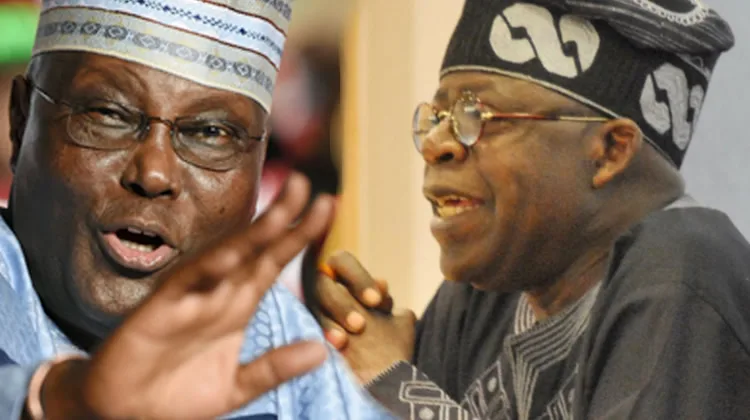
Former Vice President Atiku Abubakar has thrown a direct challenge to the Federal Government: present evidence and prosecute him if they truly believe he mismanaged $16 billion meant for power sector projects during his time in office. The presidential candidate of the African Democratic Congress fired back at what he termed the Bola Tinubu administration's recycling of old accusations, suggesting it's a tactic to divert attention from pressing economic issues and questions about funds saved from the petrol subsidy removal. "Where is the people’s money?" he asked in a statement released on Wednesday, issued by his Senior Special Assistant on Public Communication, Phrank Shaibu.
Atiku insists these allegations have been dangled for years without any government, despite having the power of the state's investigative machinery, ever bringing a case to court. He pointed out that while he chaired the National Council on Privatisation as vice president, he actually disagreed with the concept of the specific power project in question and did not oversee its implementation; that role fell to the minister in charge. The same, he stated, applied to the Aluminium Smelter matter. He has consistently invited scrutiny, noting that he left office in 2007 and has spent much of the intervening years in opposition. "If there is evidence that I stole public money, why has no government produced it before a court?" he queried.
This bold challenge comes as political friction between the opposition and the current administration intensifies over Nigeria's economic condition and the impact of its policies. Atiku has made the harsh realities faced by Nigerians following the removal of the petrol subsidy a cornerstone of his criticism. He argues that the significant increases in the cost of fuel, transportation, and food have devastated the purchasing power of ordinary workers, with no visible commensurate benefits from the increased government revenues. He stated that the revival of the power projects controversy is politically inconvenient for the administration, especially given his persistent calls for transparency regarding the proceeds from the subsidy removal. "They removed subsidy from the poor and promised that the sacrifice would free resources for development. Nigerians accepted extraordinary pain on that promise.
Today, petrol is more expensive, transportation is more expensive, food is more expensive and the purchasing power of the Nigerian worker has been devastated," the statement continued.
Furthermore, Atiku raised concerns about the government's fiscal priorities. He alleged that while average Nigerians are bearing the brunt of subsidy removal, well-connected economic interests continue to enjoy fiscal incentives, waivers, and concessions. This, he argued, directly contradicts the promise that the subsidy removal would free up resources for national development. "Meanwhile, government revenues have increased, while fiscal incentives, waivers, tax credits and concessions continue to be available to powerful economic interests. So our question remains brutally simple: where is the people’s money?" he reiterated.
President Bola Tinubu's administration removed the long-standing petrol subsidy shortly after his inauguration in May 2023. The government defended this move as essential for alleviating pressure on public finances and reallocating funds towards critical infrastructure and social programs. However, the policy immediately triggered a steep rise in petrol prices, contributing significantly to increased transportation and general living costs, making it one of the most contentious policy decisions of the Tinubu presidency. The government has since introduced various measures aimed at softening the economic blow for citizens, while maintaining that the previous subsidy regime was economically unsustainable.