

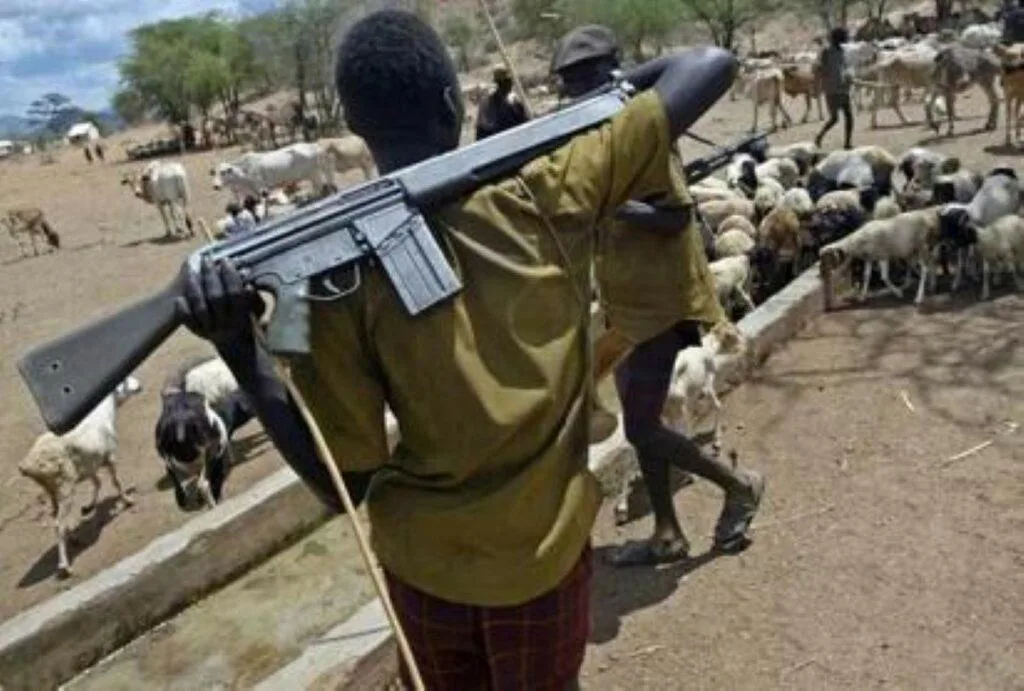
Imagine your village, deep in the night, suddenly swarmed by men on motorcycles wielding machetes and automatic rifles. This is the reality for thousands of Nigerians living in the Middle Belt, according to a May 2026 report from the United States Commission on International Religious Freedom (USCRIF). The document reveals an estimated 30,000 armed individuals, identified as Fulani militants, are currently operating in small, fast-moving clusters. These groups are turning the country’s rural life into a daily battleground where survival isn't guaranteed.
The threat is difficult to track because there isn't a single headquarters or commander to engage in a peace treaty. These militants move in flexible units ranging from 10 to 1,000 fighters. They don't just act alone, either. Sometimes they pivot to work with bandit networks for quick cash, or align with extremist groups that push violent agendas under the guise of religious conflict. This creates a messy, overlapping web of violence that local security agencies have struggled to untangle for years.
"Violence by Fulani militants caused the highest number of deaths among all religious communities in Nigeria over the last year compared to attacks by organised insurgent groups and criminal gangs."
Beyond the sheer body count, the psychological strategy behind these attacks is designed to keep people in constant terror. The report notes that these groups often hit during quiet hours to force entire communities to flee, effectively clearing land for their own use. In June 2025, one of the deadliest strikes hit Benue State, killing at least 200 people who were seeking shelter in a Catholic mission. Another incident, the Yelwata massacre, saw hundreds of women and children perish, leading to thousands more being displaced from their homes.
The timing of these raids often isn't random. The USCRIF investigation found that militants purposefully time their assaults to coincide with major Christian holidays like Easter and Christmas. For instance, this past April, worshippers attending services in Plateau, Kaduna, and Benue states were caught in the crossfire of several coordinated attacks that left dozens dead. It's a calculated move to break the spirit of communities during their most sacred moments.
While the narrative of the conflict is often simplified as a farmer-herder clash over water and grass, the reality has expanded far beyond simple economic competition. Religious identity is being used to fuel the fire, and both Christian and Muslim communities are feeling the heat. In February 2026, an imam and seven followers were kidnapped from a mosque in Plateau State, with the attackers demanding N16 million for their release. This proves that no one is immune to the reach of these armed gangs, regardless of their faith.
Federal and state responses have been a sore point for those living in the direct line of fire. Victims frequently tell tales of security forces showing up hours after the smoke has cleared. There have even been loud accusations from Christian advocacy groups that the security apparatus is biased, favoring some communities over others during investigations. It's a perception that deepens the divide and makes it even harder for the government to project authority in these volatile zones.
President Bola Tinubu shifted gears in December 2025, finally labelling these armed groups, including the militant factions, as terrorists. This followed a high-stakes diplomatic move by the United States to designate Nigeria as a 'Country of Particular Concern' regarding religious freedom. The government has tried to play catch-up since then. Security operations in January 2026 resulted in the rescue of 309 kidnap victims across Kogi and Kwara states. During those operations, 129 suspects were arrested and 55 others were killed in gunfights.
There is also a push for land reform. In June 2025, governors from 11 states launched an initiative to build proper ranches for herders. The idea is to stop the constant movement of cattle through farmlands, which has been the primary trigger for many of these local skirmishes. If the cattle stay in a designated ranch, the farmers and herders won't have to keep meeting on the wrong side of the fence.
The Miyetti Allah Cattle Breeders Association of Nigeria remains in the center of the storm. They have faced heavy criticism, with some even calling for sanctions against the group over claims that it is protecting the militants. The association, however, maintains that it is just a trade group. They flatly deny that they have any hand in the violence or that they harbor criminals, insisting that their focus is solely on the business of cattle trade.
The US Congress has since introduced the 'Nigeria Religious Freedom and Accountability Act of 2026' to keep the pressure on. This bill is proposing potential sanctions that could squeeze groups like Miyetti Allah if they are found to be behind the instability. Millions of people in the Middle Belt remain in overcrowded displacement camps, waiting for safety.