

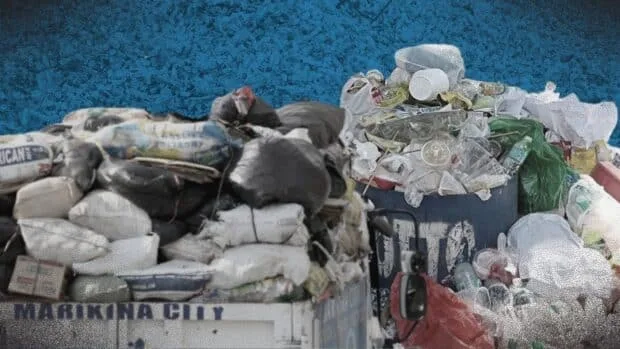
The Filipino Plastic Crisis: The Single Sharpest Fact
Who did what, where, when, and why it matters. The Philippines generates over 2.7 million metric tons of plastic waste every year, with 70% of plastic sachets used in the country never reaching a recycling facility, instead ending up in the ocean.
A sachet doesn't just disappear in a bin. It goes through a complex chain of production, consumption, collection, sorting, transport, recovery, and disposal, with each stage determining whether it is properly contained or lost. A staggering 70% of plastic sachets used in the Philippines fail to reach a recycling facility, with the remainder ending up in the ocean.
The country's plastic crisis isn't just about low recycling rates; it's about how plastic waste moves through the system that's the real problem. A sachet can pass through multiple stages before it's either properly disposed of or ends up in the ocean.
According to government data, the Philippines generates over 2.7 million metric tons of plastic waste every year. Only 12% is recycled, while the remaining 88% ends up in landfills or as litter. The sachet, a ubiquitous plastic packaging material used for food, drinks, and other consumer goods, is a major culprit.
The sachet's journey begins at the factory, where it's produced in massive quantities. From there, it's distributed to retailers, who use it to package their products. Consumers then purchase the products, use and dispose of the sachet, which ends up in a bin. From there, it can either be collected, sorted, transported to a recycling facility, or discarded.
But what happens to the sachets that don't make it to a recycling facility? They often end up in landfills or as litter, where they can take hundreds of years to decompose. Some, however, make their way into the ocean, harming marine life and contaminating the food chain.
Multiple stakeholders are involved in the plastic crisis in the Philippines, including governments, manufacturers, retailers, and consumers. Each plays a role in reducing plastic waste, but the sachet's convenience and affordability come at a price: the environment.
While some manufacturers have adopted more sustainable packaging options, the sachet remains a ubiquitous presence in the Philippines. Until significant changes are made to the system, the country's plastic crisis will continue to worsen.
Key Facts
- 70% of plastic sachets used in the Philippines never reach a recycling facility
- The Philippines generates over 2.7 million metric tons of plastic waste every year
- Only 12% of plastic waste is recycled, while 88% ends up in landfills or as litter
- The sachet is a major culprit in the plastic crisis, with millions used every day
The government recently released a report highlighting the urgent need for action on plastic waste. The report noted that the sachet is a significant contributor to the plastic crisis, with millions used every day. In response, the government has announced plans to introduce stricter regulations on plastic packaging.
Retailers and manufacturers will be required to use more sustainable packaging options or face penalties. While some have welcomed the move, others have expressed concerns about the impact on small businesses and rural communities. They argue that more stringent regulations will make it harder for them to operate.
Governments, manufacturers, retailers, and consumers all have a role to play in reducing plastic waste in the Philippines. However, the sachet's convenience and affordability come at a price: the environment.
As the government introduces stricter regulations, it's hard to estimate how effective they will be in reducing plastic waste. Nevertheless, one thing is clear: the sachet's journey from factory to landfill is about to get a lot more complicated.
'We need to change the way we think about plastic waste,' said Environment Secretary Maria Antonia Yulo-Loyzaga. 'We need to make it a priority, and work together to reduce our plastic footprint.'
Individuals, businesses, and governments must work together to reduce plastic waste and protect the environment. The sachet may be small, but its impact is huge. It's time to rethink our relationship with plastic packaging and take action to reduce waste.
As the Philippines continues to grapple with the plastic crisis, the sachet's days are numbered.
In a recent statement, Environment Secretary Maria Antonia Yulo-Loyzaga emphasized the need for collective action. She noted that plastic waste must be a priority and that all stakeholders must work together to reduce their plastic footprint.
The plastic crisis in the Philippines serves as a reminder of the consequences of inaction. It's a call to arms for individuals, businesses, and governments to take responsibility for their plastic waste and work towards a more sustainable future.