

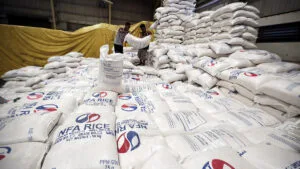
The National Food Authority (NFA) is currently engaged in a massive race against time to ensure rice supplies across the country don't dry up. By fast-tracking emergency procurement of milling services, the agency is trying to solve a bottleneck that has historically plagued the Philippine agricultural supply chain. When farmers harvest their palay, or unhusked rice, the grain can't just sit in a warehouse. It needs to be milled and turned into the white rice we actually eat. Without enough machines running, the NFA warehouses end up packed with raw palay that nobody can touch.
Department of Agriculture (DA) Secretary Francisco Tiu Laurel Jr. confirmed that the latest push involves contracts worth PHP19.1 million specifically for services in the Bicol region. This move follows a similar strategic deployment of funds in Region 12, also known as SOCCSKSARGEN. By paying private millers to step in quickly, the government hopes to clear the backlog and get processed rice into retail outlets faster. It's a calculated gamble to keep the price of staple grain within the reach of ordinary Filipinos who are tired of price spikes.
"The initiative seeks to boost the capacity of the NFA to accommodate more palay procured from local farmers."
At the heart of this operational shift is the government's flagship program to retail rice at only PHP20 per kilogram. This price point has been a major pillar of the current administration's food security policy. Maintaining that low price requires a perfectly oiled machine: buying from farmers at fair prices, processing it without massive overhead, and distributing it through NFA-accredited outlets. If the milling process stalls, the entire chain breaks, and the cheap rice disappears from the shelves, leaving consumers to scramble for more expensive options in public markets.
The logistical challenge is immense because Philippine geography often means the harvest in provinces like those in Bicol has to travel long distances before reaching consumers in urban centers like Metro Manila. Milling on-site or near the procurement area saves time and prevents post-harvest losses. These losses can sometimes account for a significant percentage of total crop value. By decentralizing these services through emergency contracts, the NFA is trying to be everywhere at once during the peak harvest season. It’s the kind of "gawin na natin" energy that suggests the agency is feeling the heat from public expectations.
History has shown that NFA operations often get bogged down by bureaucratic red tape. This leads to situations where grain rots in sacks while prices soar in the markets. This emergency procurement route is designed to bypass those traditional delays. The existing government-owned milling facilities are either outdated or insufficient to handle the volume of grain being bought from local producers. Whether this strategy will lead to long-term efficiency or just create temporary fixes is the primary concern for those watching the national budget.
For the average Filipino shopper, the government is actively trying to keep the inflation rate on basic goods from climbing any higher. When the NFA buys more palay, it protects the farmer from being forced to sell at dirt-cheap prices to private middlemen. When it processes that rice quickly, it secures the supply for the Kadiwa stores and other government-subsidized retail outlets. It's a delicate balance of trying to make the farmer happy while keeping the buyer from crying at the checkout counter. The success of this PHP19.1 million investment will be measured by the presence of affordable rice in your neighborhood stores in the coming months.