

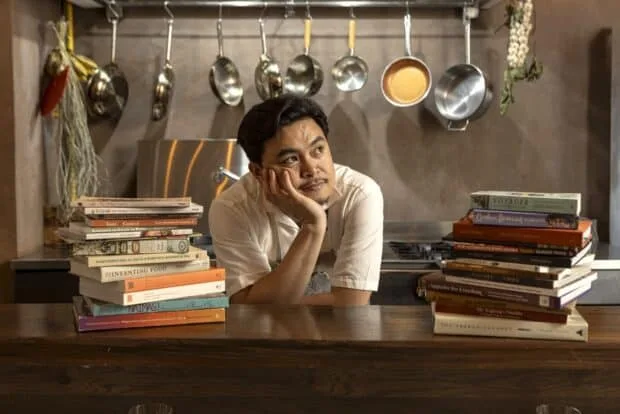
Francis Lacson, a Filipino food enthusiast, has embarked on a journey to uncover the complex history of Filipino cuisine with his project, Digámo. Published just a day ago, on 2026-05-26, Lacson's findings are already generating buzz in the culinary world. What's striking is how Lacson has managed to find order in the chaos of Filipino cuisine's past. He's woven together a narrative that's both informative and engaging.
Lacson's project delves into the cultural context that shaped the dishes we know and love today. The influence of Spanish, Chinese, and Malay cuisines on Filipino cooking is well-documented. Lacson takes it a step further by exploring the specific ingredients, cooking techniques, and traditions that were adopted and adapted over time. He doesn't just stop at the facts, though - he explores how these influences have shaped the cuisine into what it is today.
But what makes Digámo unique is its approach to storytelling. Rather than presenting a dry, factual account of Filipino cuisine's history, Lacson uses a more personal, anecdotal style. He draws on his own experiences and conversations with chefs, food vendors, and home cooks. This approach makes the history of Filipino food feel more alive. It's more relatable and accessible to a wider audience.
As we delve deeper into Lacson's project, it becomes clear that Digámo is not just about food - it's about the people, the culture, and the traditions that surround it. Lacson's passion for storytelling is evident in the way he weaves together stories. He shares stories of family recipes, street food vendors, and high-end restaurants, highlighting the diversity and richness of Filipino cuisine. He's shedding light on the complexities of the cuisine, and he's helping to preserve the country's culinary heritage for future generations.
Lacson says, 'Food is a powerful tool for storytelling - it can evoke emotions, spark memories, and bring people together like nothing else can.' He's right - food has a way of transcending borders and cultures. It can bring people together in a way that nothing else can.
So, what's next for Digámo? Lacson plans to continue his research. He'll explore more of the Philippines' culinary landscape, from the streets of Manila to the countryside of Cebu. With Digámo, Lacson is shedding light on the complexities of Filipino cuisine. He's helping to preserve the country's culinary heritage for future generations. Lacson won't stop there, though - he'll keep exploring, and he'll keep sharing his findings with the world.
Key Facts
- Francis Lacson is the founder of Digámo, a project that explores the complex history of Filipino cuisine.
- The project delves into the cultural context that shaped Filipino dishes, including the influence of Spanish, Chinese, and Malay cuisines.
- Digámo uses a personal, anecdotal approach to storytelling, drawing on Lacson's own experiences and conversations with chefs, food vendors, and home cooks.
- The project aims to preserve the Philippines' culinary heritage for future generations.
- Lacson plans to continue his research, exploring more of the Philippines' culinary landscape.
As we look to the future of Filipino cuisine, it's clear that Digámo is just the beginning. Lacson's project is set to make a lasting impact on the way we think about, talk about, and enjoy Filipino food. The project's unique approach to storytelling and its passion for preserving the country's culinary heritage will help to shape the future of Filipino cuisine.
The journey ahead won't be without its challenges, though. Lacson will need to navigate the complexities of cultural identity, tradition, and innovation. It won't be easy, but he's up for the task. Lacson's passion for Filipino cuisine and his dedication to preserving its heritage will help him overcome any obstacles that come his way.
The Philippines is home to a vibrant food scene, with a wide range of dishes to choose from. There's the popular adobo, the flavorful sinigang, and many more. With Digámo, Lacson is helping to showcase the country's culinary diversity. He's highlighting the unique flavors, ingredients, and cooking techniques that make Filipino food so special. It's a cuisine that's worth exploring, and Lacson is just the person to guide us through it.
Francis Lacson's Digámo is a game-changer for Filipino cuisine. It's offering a fresh perspective on the country's complex culinary history. With its unique approach to storytelling and its passion for preserving the Philippines' culinary heritage, Digámo is set to make a lasting impact on the way we think about, talk about, and enjoy Filipino food. It's a project that won't be forgotten anytime soon - it's a project that will continue to inspire and educate people for years to come. Lacson's work won't be done for a long time, and that's a good thing - we can't wait to see what he does next.