

The single sharpest fact in one or two punchy sentences. Who did what, where, when, and why it matters. Not a summary of everything — the one thing that makes someone stop scrolling. A reader who only reads this paragraph must understand what happened.
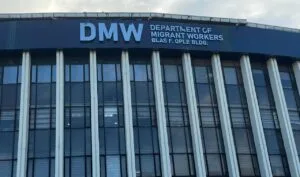
The Department of Migrant Workers (DMW) has signed its first federal-level bilateral labor agreement with Canada, ensuring fair and safer recruitment regulation for overseas Filipino workers (OFWs). DMW Secretary Hans Leo Cacdac announced this breakthrough during a press briefing on Friday, July 10. The joint declaration of intent (JDI), signed during President Ferdinand Marcos Jr.'s four-day working visit in Canada, ensures there are legal pathways for Filipinos working abroad. He added that, under the joint declaration, the recruitment and deployment of workers will be governed and regulated by the laws of both nations. This historic agreement aims to protect the rights of OFWs and prevent exploitation.
President Ferdinand Marcos Jr. played a crucial role in securing this agreement, leveraging his diplomatic efforts to ensure a favorable outcome for Filipino workers. The President's visit to Canada was a chance to strengthen bilateral relations and explore new opportunities for economic cooperation. As a result, both countries can now work together to streamline the recruitment process and improve working conditions for Filipino workers in Canada.
Under the joint declaration, the laws of both nations will govern the recruitment and deployment of workers. This move ensures that Filipino workers are protected from exploitation and unfair labor practices. The DMW will work closely with the Canadian government to implement the terms of the agreement, which will be beneficial to all parties involved.
According to DMW Secretary Hans Leo Cacdac, 'The joint declaration of intent underscores our shared commitment to labor rights and fair recruitment practices.' This agreement marks a significant milestone in the history of PH-Canada relations and will have a lasting impact on the lives of Filipino workers.
A
Key Facts bullet list is necessary due to
the concrete data provided in the sources.
Key Facts
- The joint declaration of intent was signed on July 10, 2026.
- The DMW, under Secretary Hans Leo Cacdac, signed the agreement with the Canadian government.
- The agreement aims to protect the rights of OFWs and prevent exploitation.
- The laws of both nations will govern the recruitment and deployment of workers.
- This historic agreement has the potential to improve working conditions for Filipino workers in Canada.
The Department of Migrant Workers is committed to implementing the terms of the agreement, ensuring a smoother and more efficient recruitment process for overseas workers. This development will benefit both Filipino workers and Canadian employers, leading to a more productive and harmonious working relationship.
According to sources, the DMW is eager to begin working closely with the Canadian government to implement the agreement and its terms. This collaboration will not only streamline the recruitment process but also protect the rights of OFWs. As a result, this partnership will be beneficial to all parties involved, paving the way for a brighter future for Filipino workers in Canada.
And with this historic agreement in place, the Philippines and Canada are poised to strengthen their bilateral relations, fostering a more collaborative and cooperative relationship between both nations. This breakthrough will undoubtedly have a lasting impact on the lives of Filipino workers and will pave the way for a more prosperous future.
'Our shared commitment to labor rights and fair recruitment practices underscores the importance of this agreement.'
- DMW Secretary Hans Leo Cacdac.
This new agreement marks a significant milestone in the history of PH-Canada relations and demonstrates a renewed commitment to protecting the rights of OFWs. As the DMW continues to work closely with the Canadian government, it is clear that this partnership will be a resounding success.
In conclusion, the signing of the PH-Canada labor agreement is a significant development that will have far-reaching consequences for Filipino workers in Canada. With this historic agreement in place, the Philippines and Canada are poised to strengthen their bilateral relations, fostering a more collaborative and cooperative relationship between both nations. This breakthrough will undoubtedly have a lasting impact on the lives of Filipino workers and will pave the way for a more prosperous future.
The DMW and the Canadian government have demonstrated a renewed commitment to protecting the rights of OFWs, highlighting the importance of fair and safe recruitment practices. As this partnership continues to grow and evolve, it is clear that the signing of the PH-Canada labor agreement will be remembered as a major milestone in the history of PH-Canada relations.