

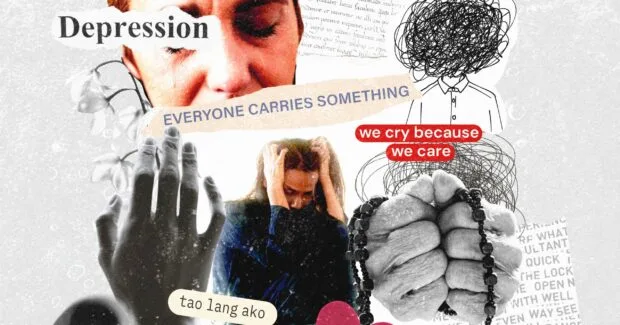
When a Filipino tells you they're sad, they rarely just mean they're having a bad day. Our language holds a delicate map of the heart, where every word for "sad" carries a different weight, a different history, and a different way of healing. We don't just experience sorrow; we hold it, we share it in hushed tones over coffee, and we often mask it behind the widest, brightest smiles in the room. This isn't just about being polite; it’s about a cultural instinct to protect our community from the heaviness of our personal storms.
At the core of this emotional landscape is pighati. This word describes a profound, soul-deep sorrow that feels almost physical, like a weight sitting right on your chest. It’s the kind of grief that comes after a major life blow—losing a loved one, a sudden heartbreak, or the collapse of a dream you spent years building in Manila or any corner of the country. Unlike the fleeting sadness we call lungkot, pighati lingers. It settles in.
It makes you realize that in our culture, we don't just 'get over' things; we carry them with a quiet grace.
Then there is pagdadalamhati, the formal, mourning-heavy version of sorrow that we often see during wakes or long periods of loss. This is the communal side of grief, where the entire neighborhood or family unit participates in the burden. For example, neighbors bring food to a house where someone has passed away, not because they have to, but because it’s the Filipino way of saying, 'You don't have to bear this weight alone.' This is a beautiful, tragic dance of collective support that makes our culture unique.
"Ang tunay na pighati ay hindi isinisigaw, ito ay kinikimkim hanggang sa maging bahagi na ng iyong pagkatao."
This sentiment, which roughly translates to 'True sorrow isn't shouted; it is kept deep inside until it becomes a part of who you are,' defines the Filipino experience. We are taught from childhood to be resilient, to 'laban lang'—just keep fighting. But this strength often comes at a cost. By burying our emotions so deep, we sometimes struggle to voice our pain until it becomes overwhelming. It’s why mental health conversations in the Philippines have been so difficult to start, but are now more necessary than ever.
The Psychology of Silent Suffering
- Lungkot: The general, everyday feeling of loneliness or sadness.
- Pighati: A deep, agonizing grief that disrupts one's sense of balance.
- Pagdadalamhati: The communal, often ritualistic expression of mourning.
- Siphayo: A specific type of frustration or disappointment that leads to a loss of hope.
- Hapis*: A lingering state of distress or misery that colors one's perception of the world.
Understanding these distinctions is crucial because it changes how we check on each other. When a friend says they are feeling siphayo, you know they aren't just tired—they are losing their grip on their goals. This is a call for intervention that goes beyond a casual 'are you okay?' The nuance in our vocabulary is our first line of defense against the silent battles many Filipinos fight every day. We are a people who value connection above all else, and knowing the right word for someone's pain is often the first step toward mending their broken spirit.
Some might argue that our tendency to keep sorrow inside is a weakness, but it is actually a form of deep emotional architecture. We have learned to build sanctuaries within ourselves where we store these heavy feelings so they don't break the people we love. In a country where the cost of living can feel like a constant grind—where the price of a simple meal or a commute keeps rising—this internal resilience is what keeps the country moving. We are experts at compartmentalizing, although it's essential to recognize when that compartment is overflowing.
We have also learned to navigate the complexities of our emotions by developing a rich vocabulary for grief. We use words like lumbay to describe the dull ache in our bones and malaswa for the overwhelming sense of sadness that can be so crippling. By acknowledging the various nuances of sorrow, we can better support each other in our darkest moments.
Ultimately, defining sorrow is the Filipino way of acknowledging that we are human. We aren't just resilient figures in a news report or workers in a busy office; we are people with vast inner worlds. The next time you see someone quiet in a crowded Jeepney or staring out at the rain in Makati, don't just assume they're bored. They might be wrestling with their own version of pighati, and sometimes, a simple, non-intrusive acknowledgment is all the bridge they need to feel seen again.