

The Socio-Economic Rights and Accountability Project (SERAP) has given the Senate and the House of Representatives an ultimatum to reject a proposed bill that could give the government the power to shut down social media platforms operating in Nigeria. The Nigeria Data Protection (Amendment) Bill, 2026, was sponsored by Senator Ned Nwoko and aims to compel social media platforms, data controllers, and data processors to establish physical offices in Nigeria and empower the Nigeria Data Protection Commission (NDPC) to shut down or prohibit the operations of any entity that fails to comply within 30 days.
The bill has raised concerns that it could be used to expand governmental control over online expression and silence critics. According to SERAP, the bill would create sweeping powers that could lead to the shutdown of social media platforms, exposing millions of Nigerians to serious violations of their human rights. The organisation stated that the bill is a backdoor attempt to regulate social media and increase governmental control over online expression.
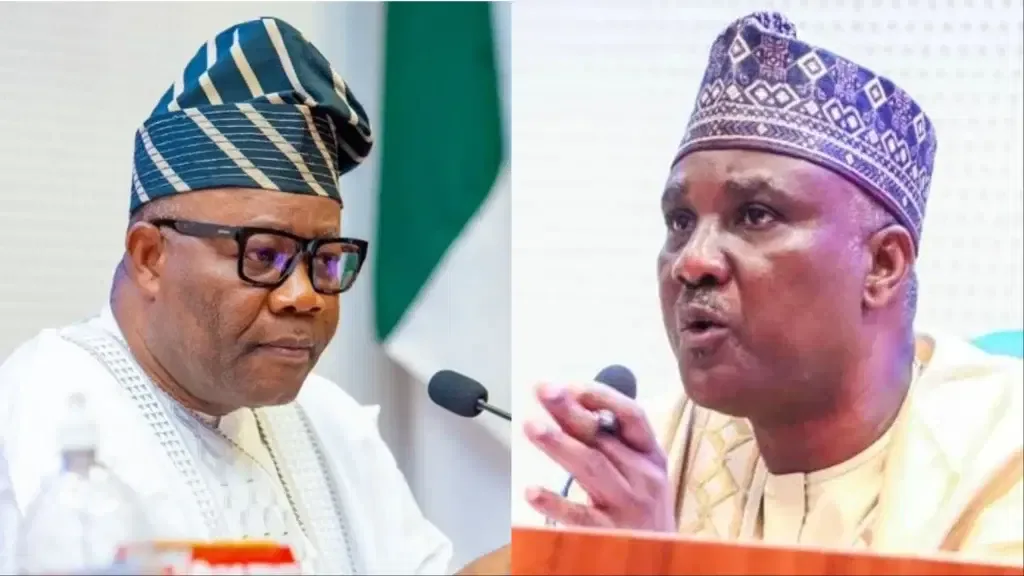
SERAP Deputy Director Kolawole Oluwadare said in a letter to the Senate President, Senator Godswill Akpabio, and the Speaker of the House of Representatives, Tajudeen Abbas, that the bill is incompatible with international human rights standards. The organisation warned that should the bill be enacted into law, it would prompt them to take all necessary legal actions to challenge its legality in the public interest and ensure that Nigerians' fundamental rights are protected.
The National Assembly should avoid imposing localisation requirements that unnecessarily burden digital services and undermine citizens' rights, SERAP argued. The organisation stated that the bill constitutes a backdoor attempt to regulate social media and increase governmental control over online expression through corporate localisation requirements rather than through transparent and constitutionally permissible regulation.
The bill also risks recreating the dangers previously condemned by the ECOWAS Court of Justice in a case where the suspension of Twitter violated the rights to freedom of expression, access to information, and media freedom. SERAP called on the National Assembly to reject the bill and ensure that measures regulating digital services enhance transparency, accountability, and users' rights, rather than creating additional tools for censorship, surveillance, or political interference.
SERAP also pointed out that the Bill cannot survive scrutiny under Section 45 of the Nigerian Constitution, which permits restrictions on fundamental rights only where they are prescribed by law, pursue a legitimate objective, and are reasonably justifiable in a democratic society.
Senator Ned Nwoko, the sponsor of the bill, has not commented on the concerns raised by SERAP. However, experts argue that the bill could have a chilling effect on free speech and hinder innovation in the technology sector.
The Nigeria Data Protection Commission (NDPC), which would be empowered to shut down or prohibit the operations of any entity that fails to comply with the bill, has also not commented on the concerns raised by SERAP. However, the commission's Director-General, Dr. Umar Abdul Maigari, has stated that the commission's primary objective is to protect the personal data of Nigerians and promote data protection in the country.
The proposed bill has sparked outrage on social media, with many Nigerians expressing concerns that it could be used to silence critics and stifle innovation. The bill has also been met with resistance from civil society organisations, which argue that it is incompatible with international human rights standards and would undermine citizens' rights.
The fate of the bill remains uncertain, with the National Assembly yet to schedule a debate on the proposed law. However, experts argue that the proposed law could have far-reaching consequences for the technology sector and the free speech of Nigerians.
Key Facts
- The Nigeria Data Protection (Amendment) Bill, 2026, was sponsored by Senator Ned Nwoko.
- The bill aims to compel social media platforms, data controllers, and data processors to establish physical offices in Nigeria.
- The bill empowers the Nigeria Data Protection Commission (NDPC) to shut down or prohibit the operations of any entity that fails to comply within 30 days.
- The bill has raised concerns that it could be used to expand governmental control over online expression and silence critics.
- SERAP has threatened to take legal action against the National Assembly if the bill is passed into law.