

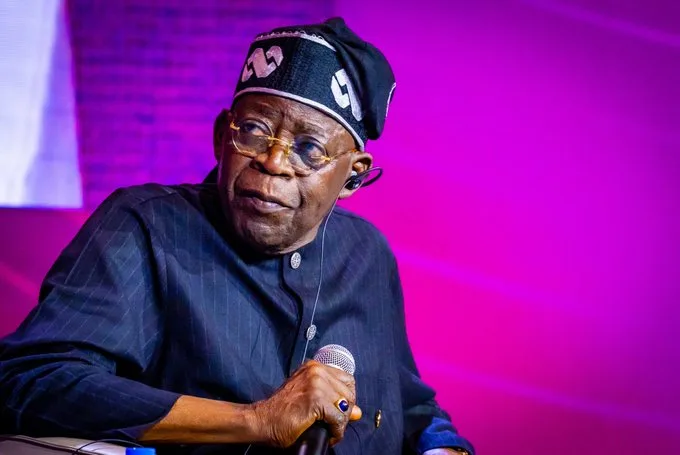
Reformer-in-Chief: Reflections on Governance, Leadership and Reform Across One Thousand and Ninety-Five Days of President Bola Tinubu
President Bola Ahmed Tinubu, known for his reputation as a master strategist, has begun a crucial period in Nigerian governance, marked by an unwavering commitment to reform and re-engineering of the country's systems. President Tinubu, in his own words, is the Tinkerer-in-Chief, responsible for recalibrating the country's governance architecture.
Dare's 28-year acquaintance with Asiwaju, as President Tinubu is affectionately known, predates their entry into national politics. This unique perspective allowed Dare to witness firsthand the President's capacity for innovation, his willingness to challenge entrenched interests, and his relentless drive to improve governance. According to Dare, President Tinubu's approach to leadership is informed by a deep understanding of systems, structures, and institutions.
Sunday Dare, who has closely observed President Tinubu's career, has written a comprehensive account of the President's leadership style, highlighting his ability to assemble a formidable coalition of regional interests, his patient approach to building political structures, and his strategic clarity in navigating complex problems. This perspective is invaluable, offering insight into the workings of the President's mind and the strategic logic behind his decisions.
President Tinubu faces one of the primary challenges in Nigeria's economic architecture, which has been plagued by distortions, inefficiencies, and a lack of transparency. These issues have contributed to a culture of waste, corruption, and inefficiency, which have had far-reaching consequences for the country's development. President Tinubu's administration has recognized the need for reform and has begun implementing policies aimed at addressing these systemic issues.
President Tinubu's willingness to confront these entrenched problems head-on sets him apart from previous administrations, which often deferred difficult decisions in the face of short-term political expediency. This approach is reflective of his commitment to creating a more inclusive and equitable society, where prosperity is accessible to all.
President Tinubu's reform efforts are guided by a deep understanding of the complexities of Nigeria's political landscape. He recognizes that reform requires collective national maturity, involving a willingness to confront painful truths and make difficult choices. This approach is not limited to governance reform alone, as it also seeks to promote economic growth, increase productivity, and improve institutional capacity.
Sunday Dare's reflections on the President's leadership style offer valuable insights into the workings of Nigeria's current administration. They also highlight the critical role that leadership plays in shaping a nation's development trajectory. As Nigeria navigates this period of reform, it is clear that President Bola Ahmed Tinubu is committed to creating a more prosperous, equitable, and sustainable future for its citizens.
President Tinubu's reform agenda is centered on addressing systemic inefficiencies, promoting economic growth, and improving institutional capacity. By addressing these issues, he aims to create a more prosperous and equitable society for all Nigerians.
Key Facts
- Nigeria has been plagued by bureaucratic complexities and systemic inefficiencies.
- President Bola Ahmed Tinubu's administration has begun implementing policies to address these issues.
- The President has a deep understanding of systems, structures, and institutions.
- His willingness to confront entrenched problems head-on is unprecedented in Nigerian politics.
- Reform requires collective national maturity, involving a willingness to confront painful truths and make difficult choices.
What's at Stake
The success of President Tinubu's reform efforts will determine Nigeria's development trajectory. If successful, it will pave the way for sustainable prosperity, increased productivity, and improved institutional capacity. However, the challenges facing the country are significant, and only time will tell whether the President's administration can overcome them.
President Tinubu is navigating a critical period in Nigerian governance, marked by an unwavering commitment to reform and re-engineering of the country's systems. With his unique perspective and deep understanding of systems, structures, and institutions, he is well-positioned to address the country's systemic issues and create a more prosperous, equitable, and sustainable future for its citizens.