

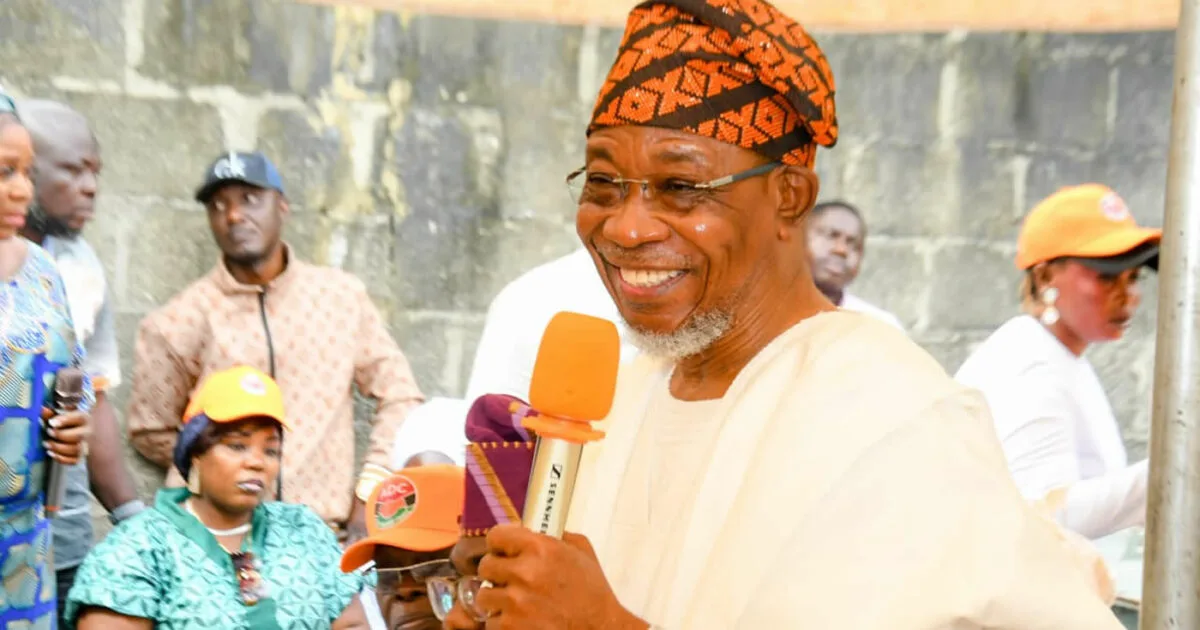
Rauf Aregbesola, the former governor of Osun State, has found himself at the center of speculation regarding his potential return to the All Progressives Congress (APC). However, Aregbesola has categorically denied these claims, stating that they are baseless and reaffirming his full commitment to the African Democratic Congress (ADC). This development has significant implications for Nigerian politics, particularly in the context of the country's complex party landscape. Aregbesola's denial is a clear indication that he is not interested in rejoining the APC, at least for now. The speculation surrounding his potential return was likely fueled by his history with the APC, having previously been a member of the party before joining the ADC.
The African Democratic Congress (ADC) is a relatively smaller party in Nigeria, but it has been gaining traction in recent years. Aregbesola's decision to join the ADC was seen as a significant move, given his influence and reputation in Nigerian politics. His commitment to the party is a testament to his desire to bring about change and reform in the country's political system. The ADC has been positioning itself as a viable alternative to the dominant parties in Nigeria, including the APC and the People's Democratic Party (PDP). Aregbesola's presence in the party has undoubtedly boosted its profile and credibility.
Aregbesola's political career spans several decades, during which he has held various positions, including governor of Osun State. His experience and expertise have made him a respected figure in Nigerian politics. However, his relationship with the APC has been complex, to say the least. He was a key figure in the party before his departure, and his decision to leave was seen as a significant blow to the APC. The speculation surrounding his potential return was likely fueled by his history with the party and his continued influence in Nigerian politics.
Aregbesola's denial of the speculation has put the matter to rest, at least for now.
The implications of Aregbesola's decision to remain with the ADC are significant. It suggests that he is committed to bringing about change and reform in Nigerian politics, rather than simply seeking power or influence. His presence in the ADC is a testament to the party's growing credibility and influence in Nigerian politics. The development has also sparked debate about the future of the APC and its ability to retain key figures. The APC has been facing internal conflicts and challenges in recent years, and Aregbesola's decision to remain with the ADC is a significant blow to the party's morale.
Key Facts
- Rauf Aregbesola is the former governor of Osun State
- He has denied speculation about his potential return to the APC
- Aregbesola is currently a member of the African Democratic Congress (ADC)
- The ADC is a relatively smaller party in Nigeria
- Aregbesola's decision to join the ADC was seen as a significant move
- The APC has been facing internal conflicts and challenges in recent years
- Aregbesola's presence in the ADC has boosted the party's profile and credibility
- The development has sparked debate about the future of the APC and its ability to retain key figures
Background
Aregbesola's political career has been marked by significant achievements and challenges. He was first elected as governor of Osun State in 2010 and served two terms in office. During his tenure, he implemented various reforms and initiatives aimed at improving the state's economy and infrastructure. Aregbesola's leadership style and vision for the state earned him widespread recognition and respect. However, his relationship with the APC has been complex, and he has faced significant challenges and opposition from within the party.
Aregbesola's decision to leave the APC was seen as a significant blow to the party. He had been a key figure in the party and had played a crucial role in its formation and growth. However, he became increasingly disillusioned with the party's leadership and direction, which led to his departure. Aregbesola's exit from the APC was seen as a significant loss for the party, given his influence and reputation in Nigerian politics. The development sparked debate about the future of the APC and its ability to retain key figures.
The ADC, on the other hand, has been gaining traction in recent years. The party has positioned itself as a viable alternative to the dominant parties in Nigeria, including the APC and the PDP. Aregbesola's decision to join the ADC was seen as a significant move, given his influence and reputation in Nigerian politics. His presence in the party has undoubtedly boosted its profile and credibility. The ADC has been working to build its base and establish itself as a major force in Nigerian politics.
Implications
The implications of Aregbesola's decision to remain with the ADC are significant. It suggests that he is committed to bringing about change and reform in Nigerian politics, rather than simply seeking power or influence. His presence in the ADC is a testament to the party's growing credibility and influence in Nigerian politics. The development has also sparked debate about the future of the APC and its ability to retain key figures. The APC has been facing internal conflicts and challenges in recent years, and Aregbesola's decision to remain with the ADC is a significant blow to the party's morale.
Aregbesola's decision to remain with the ADC also has significant implications for the party's future. It suggests that the party is committed to bringing about change and reform in Nigerian politics, rather than simply seeking power or influence. The ADC has been working to build its base and establish itself as a major force in Nigerian politics. Aregbesola's presence in the party has undoubtedly boosted its profile and credibility. The development has sparked debate about the party's potential to challenge the dominant parties in Nigeria, including the APC and the PDP.
The implications of Aregbesola's decision also extend to the broader Nigerian political landscape. It suggests that the country's political system is becoming increasingly complex and fragmented. The emergence of smaller parties, such as the ADC, is a testament to the growing demand for change and reform in Nigerian politics. Aregbesola's decision to remain with the ADC is a significant development in this context, as it suggests that he is committed to bringing about change and reform in the country's political system.
Reaction
The reaction to Aregbesola's decision to remain with the ADC has been mixed. Some have welcomed the development, seeing it as a significant boost to the party's profile and credibility. Others have expressed disappointment and frustration, given the speculation surrounding his potential return to the APC. The development has sparked debate about the future of the APC and its ability to retain key figures. The APC has been facing internal conflicts and challenges in recent years, and Aregbesola's decision to remain with the ADC is a significant blow to the party's morale.
Aregbesola's decision to remain with the ADC is a significant development in Nigerian politics. It suggests that he is committed to bringing about change and reform in the country's political system, rather than simply seeking power or influence. His presence in the ADC is a testament to the party's growing credibility and influence in Nigerian politics.
The reaction to Aregbesola's decision also extends to the broader Nigerian political landscape. The development has sparked debate about the future of the APC and its ability to retain key figures. The APC has been facing internal conflicts and challenges in recent years, and Aregbesola's decision to remain with the ADC is a significant blow to the party's morale. The development has also sparked debate about the potential of smaller parties, such as the ADC, to challenge the dominant parties in Nigeria.
Analysis
Aregbesola's decision to remain with the ADC is a significant development in Nigerian politics. It suggests that he is committed to bringing about change and reform in the country's political system, rather than simply seeking power or influence. His presence in the ADC is a testament to the party's growing credibility and influence in Nigerian politics. The development has sparked debate about the future of the APC and its ability to retain key figures. The APC has been facing internal conflicts and challenges in recent years, and Aregbesola's decision to remain with the ADC is a significant blow to the party's morale.
The analysis of Aregbesola's decision also extends to the broader Nigerian political landscape. The development has sparked debate about the potential of smaller parties, such as the ADC, to challenge the dominant parties in Nigeria. The emergence of smaller parties is a testament to the growing demand for change and reform in Nigerian politics. Aregbesola's decision to remain with the ADC is a significant development in this context, as it suggests that he is committed to bringing about change and reform in the country's political system.
The analysis of Aregbesola's decision also highlights the complexities of Nigerian politics. The country's political system is marked by significant challenges and conflicts, including internal party conflicts, ethnic and regional tensions, and economic challenges. Aregbesola's decision to remain with the ADC is a significant development in this context, as it suggests that he is committed to navigating these challenges and bringing about change and reform in the country's political system.
Conclusion
In conclusion, Aregbesola's decision to remain with the ADC is a significant development in Nigerian politics. It suggests that he is committed to bringing about change and reform in the country's political system, rather than simply seeking power or influence. His presence in the ADC is a testament to the party's growing credibility and influence in Nigerian politics. The development has sparked debate about the future of the APC and its ability to retain key figures. The APC has been facing internal conflicts and challenges in recent years, and Aregbesola's decision to remain with the ADC is a significant blow to the party's morale.
The conclusion of Aregbesola's decision also extends to the broader Nigerian political landscape. The development has sparked debate about the potential of smaller parties, such as the ADC, to challenge the dominant parties in Nigeria. The emergence of smaller parties is a testament to the growing demand for change and reform in Nigerian politics. Aregbesola's decision to remain with the ADC is a significant development in this context, as it suggests that he is committed to bringing about change and reform in the country's political system.
The conclusion of Aregbesola's decision also highlights the complexities of Nigerian politics. The country's political system is marked by significant challenges and conflicts, including internal party conflicts, ethnic and regional tensions, and economic challenges. Aregbesola's decision to remain with the ADC is a significant development in this context, as it suggests that he is committed to navigating these challenges and bringing about change and reform in the country's political system. The development is a significant one, and it will be interesting to see how it plays out in the coming months and years.