

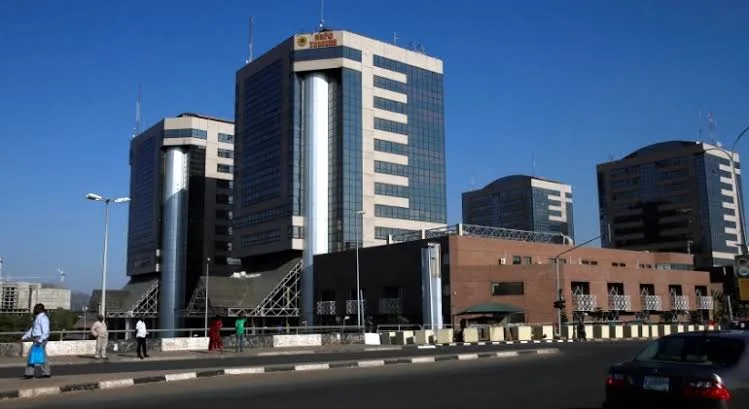
The Nigerian National Petroleum Company Limited has accused Dangote Petroleum Refinery of attempting to monopolise Nigeria's fuel market through a court action. This court action seeks to restrict fuel import licences issued to rival marketers. It's not just about the court action - the NNPC argued that granting Dangote's request could expose Nigeria to fuel supply disruptions. It could also lead to price instability and threats to national energy security. According to court documents filed before the Federal High Court in Lagos, the Dangote refinery had sued the Attorney General of the Federation and the Nigerian Midstream and Downstream Petroleum Regulatory Authority.
The case is about the issuance and renewal of import licences to marketers and NNPC. Dangote maintained that the licences undermine local refining and violate provisions of the Petroleum Industry Act. However, NNPC countered that the law permits fuel importation by qualified companies. It gives regulators the discretion to manage imports under the nation's backward integration policy. They can't just ignore the law and grant Dangote's request without considering the implications.
The state oil firm also told the court that Dangote refinery had failed to provide credible evidence. They didn't show that they could independently meet Nigeria's fuel demand nationwide without disruption. NNPC further denied allegations that it deliberately frustrated Dangote refinery's operations or withheld crude oil supplies. They won't comment on the allegations, but they did say that they're committed to ensuring a stable fuel supply in Nigeria.
Fuel marketers have also opposed the suit, warning that restricting imports could threaten competition and fuel supply stability. The case is expected to be heard in the coming weeks.
Key Facts
- The Dangote refinery had sued the Attorney General of the Federation and the Nigerian Midstream and Downstream Petroleum Regulatory Authority.
- NNPC argued that granting Dangote's request could expose Nigeria to fuel supply disruptions, price instability, and threats to national energy security.
- The case is about the issuance and renewal of import licences to marketers and NNPC.
- Dangote refinery had failed to provide credible evidence that it could independently meet Nigeria's fuel demand nationwide without disruption.
The Nigerian Midstream and Downstream Petroleum Regulatory Authority is responsible for regulating the midstream and downstream sectors of the oil and gas industry in Nigeria. This includes the licensing of importers and the monitoring of fuel supply in the country. They're responsible for ensuring that the fuel market operates fairly and that consumers aren't exploited.
Aliko Dangote is a Nigerian business magnate and the founder of the Dangote Group, a multinational conglomerate with interests in cement, sugar, and other sectors. He's also the owner of the Dangote refinery, which is expected to be one of the largest refineries in Africa. It's expected to have a significant impact on Nigeria's economy, but there are concerns about its ability to meet Nigeria's fuel demand. There are also concerns about its impact on the environment.
The Dangote refinery has been a subject of controversy in the past. There have been concerns about its ability to meet Nigeria's fuel demand, as well as its impact on the environment. NNPC said that the law permits fuel importation by qualified companies and gives regulators the discretion to manage imports under the nation's backward integration policy. They're committed to ensuring that the fuel market operates fairly and that consumers aren't exploited.
'The law permits fuel importation by qualified companies and gives regulators the discretion to manage imports under the nation's backward integration policy', NNPC said.
The body of facts just ends here with the facts. NNPC won't comment further on the case, but they're committed to ensuring a stable fuel supply in Nigeria.