

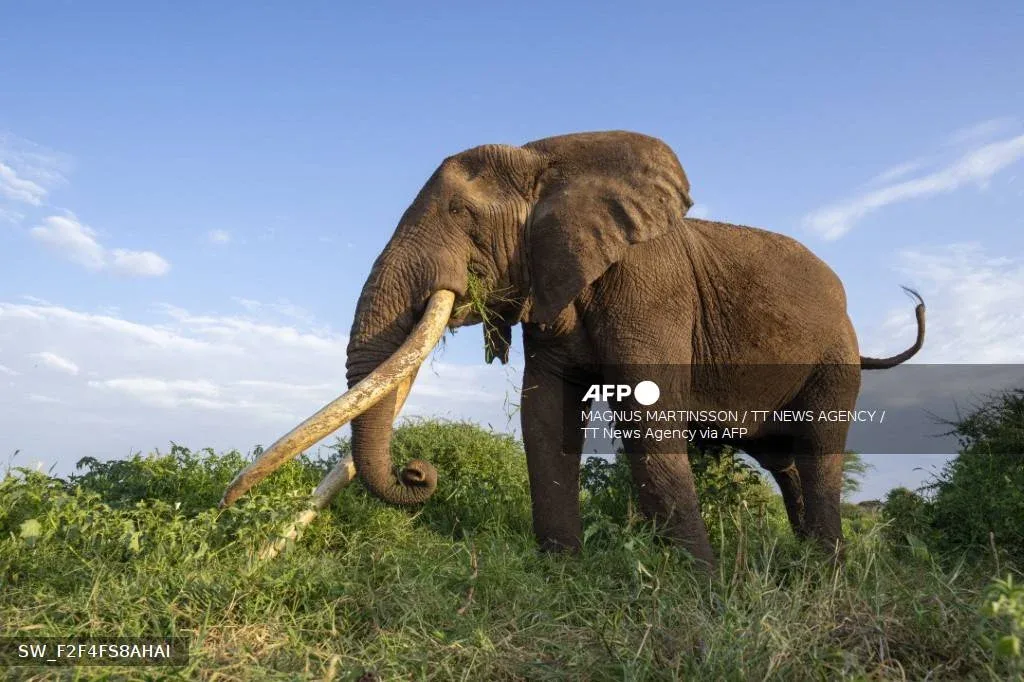
Nigeria's 400 remaining wild elephants are in dire need of conservation efforts to protect them from extinction. According to Dr. Mark Ofua, a wildlife veterinarian and conservationist, the elephants are threatened by habitat loss, poaching, and human-wildlife conflict. These factors have resulted in the decline of the species, with only 300 forest elephants and 100 savannah elephants left in the wild.
Dr. Ofua warned that the continued fragmentation of habitats and hunting could lead to inbreeding and the eventual extinction of the species. Elephants play a crucial role in maintaining forest health, biodiversity, and ecological balance, making their disappearance a significant loss.
The main threats to Nigeria's elephants include the illegal trade in ivory, retaliatory killings due to human-elephant conflicts, and accidental injuries from snares set for other wildlife. Dr. Ofua emphasized that the challenge goes beyond wildlife conservation, as the disappearance of the species could have serious consequences for forest ecosystems and human well-being.
According to Dr. Ofua, about 80% of Nigerians are unaware that elephants still exist in the country. He called for increased public education and stronger communication campaigns to change perceptions about wildlife and discourage practices that threaten endangered species.
Dr. Ofua also urged Nigerian companies to view conservation as part of their environmental responsibility and not just charity. He suggested that companies could adopt individual rescued elephants and support conservation programs as part of their corporate environmental commitments.
The conservationist advocated for greater investment in ecotourism, citing Rwanda's gorilla trekking program as an example of how wildlife can generate revenue for conservation and local development. Visitors pay $1,500 for a one-hour gorilla trekking experience, which supports local infrastructure and communities.
Dr. Stella Egbe, who leads biodiversity pillar programs at the Nigerian Conservation Foundation, said that forest elephants are found in areas including Omo Forest Reserve, Cross River National Park, and coastal areas of Rivers State. She noted that elephant populations can move across state and national boundaries, including between Nigeria, Benin Republic, and Cameroon.
Dr. Egbe recommended reducing habitat fragmentation and using deterrent measures such as noise, beehives, and chilli fences to keep elephants away from farmlands. She emphasized the need for closer collaboration among government agencies, the NCF, the National Park Service, customs authorities, and other stakeholders to combat illegal wildlife trade.
Key Facts
- Nigeria has only 400 wild elephants left.
- 300 forest elephants and 100 savannah elephants are remaining.
- Habitat loss, poaching, and human-wildlife conflict are the main threats to the species.
- 80% of Nigerians are unaware that elephants still exist in the country.
- Dr. Mark Ofua estimates that the extinction of elephants could have serious consequences for forest ecosystems and human well-being.
- Dr. Stella Egbe recommends reducing habitat fragmentation to keep elephants away from farmlands.