

Nigeria's Customs Revenue Hit ₦34trn by Waivers on
Military Hardware, CNG Vehicles, Healthcare Supplies
The single sharpest fact in one or two punchy sentences. Who did what, where, when, and why it matters. Not a summary of everything — the one thing that makes someone stop scrolling. A reader who only reads this paragraph must understand what happened.
The Nigeria Customs Service's Comptroller-General, Bashir Adeniyi, revealed that waivers on imports of military hardware, compressed natural gas vehicles, healthcare supplies, and more cost the government ₦34 trillion between 2000 and 2025. The waivers significantly reduced Customs revenue.
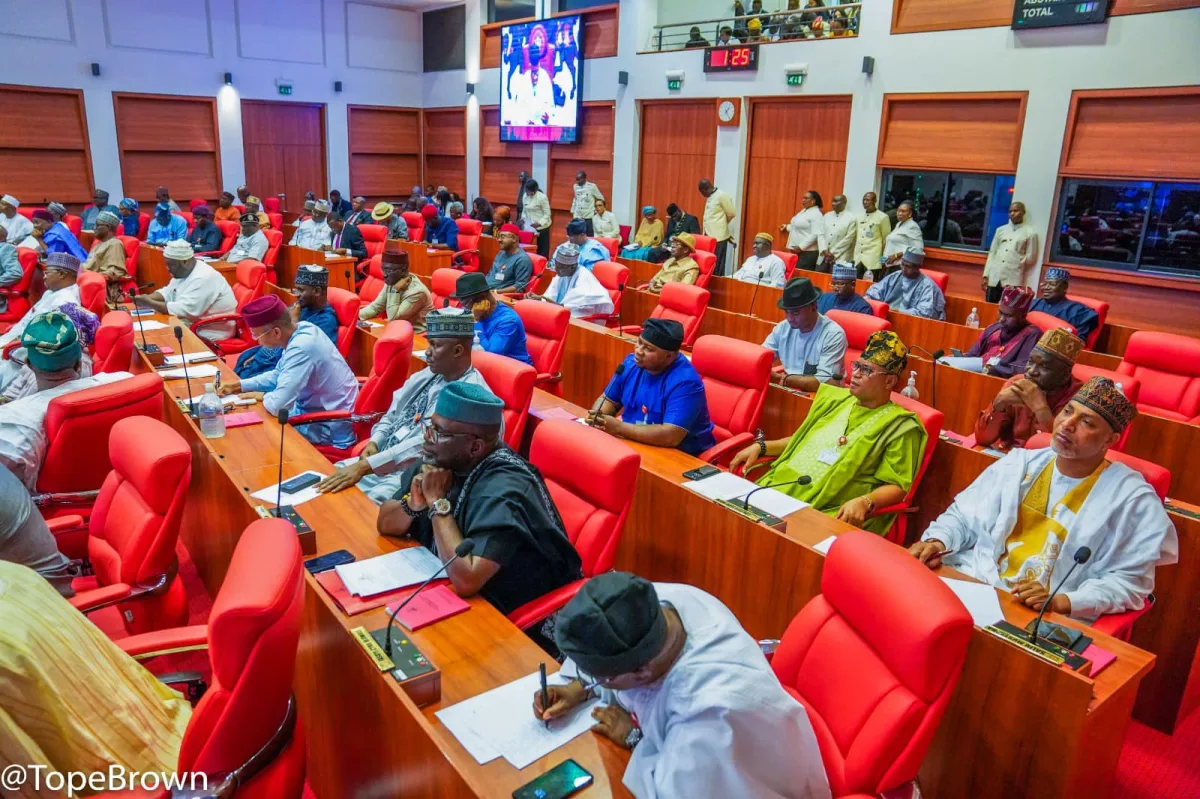
The Comptroller-General made this disclosure on Monday, July 12, 2026, when he appeared before the Senate Committee on Finance during an investigative hearing at the National Assembly. According to him, the ₦34 trillion waiver figure was a result of Import Duty Exemption Certificates (IDECs) issued to various individuals, companies, and government agencies.
The Comptroller-General explained that while the waivers were meant to support strategic sectors of the economy, reduce the cost of essential imports, and respond to national emergencies, they had a negative impact on Customs revenue.
The Senate Committee on Finance directed the Customs comptroller-general to submit updated audited financial statements and comprehensive revenue records within one week. The committee took this decision following the disclosure that the Customs Service had not submitted audited financial statements beyond 2019.
### ₦34trn in Waivers: A Breakdown
The ₦34 trillion in waivers granted between 2000 and 2025 includes exemptions on various products. Mr. Adeniyi broke down the figures, stating that 60% of the waivers, that is, ₦20.4 trillion, was for military hardware procurements. He attributed this to Nigeria's prevailing security challenges.
Other areas where waivers were granted included compressed natural gas vehicles, which cost the government ₦1.3 trillion; healthcare supplies and equipment, which cost ₦2.1 trillion; industrial machinery and manufacturing inputs, which cost ₦5.4 trillion; and food import intervention programmes, which cost ₦3.5 trillion.
### A Long History of Import Duty Waivers
Import duty waivers have long been used by successive Nigerian governments as a fiscal policy tool to support strategic sectors of the economy. These waivers were initially granted to sectors considered critical to economic growth, including agriculture, manufacturing, power, healthcare, transportation, and national security.
However, critics have long argued that extensive waivers reduce government revenue at a time when Nigeria faces mounting fiscal pressures, including high debt-servicing obligations and infrastructure deficits. They also raised concerns about transparency in the approval process, alleging that waivers are sometimes abused or granted to politically connected individuals and companies without adequate monitoring.
### A Call for Transparency
The Comptroller-General acknowledged that the waivers significantly reduced Customs revenue. He, however, noted that all revenues collected by the Customs Service were remitted directly into the Treasury Single Account (TSA) in line with existing financial regulations. He assured the lawmakers that the Customs Service would comply with the committee's directive to provide updated audited financial statements and comprehensive revenue records.
### What it Means for Nigeria
The disclosure that import duty waivers reached ₦34 trillion by the end of 2025 is likely to reignite debates over the balance between using tax incentives to stimulate economic activities and protecting government revenues needed to fund public services and development projects. It is a stark reminder of the need for transparency and accountability in the approval and utilization of waivers.
### Key Facts
- ₦34 trillion: The total value of waivers granted between 2000 and 2025.
- ₦20.4 trillion: The value of waivers granted for military hardware procurements.
- ₦1.3 trillion: The value of waivers granted for compressed natural gas vehicles.
- ₦2.1 trillion: The value of waivers granted for healthcare supplies and equipment.
- ₦5.4 trillion: The value of waivers granted for industrial machinery and manufacturing inputs.
- ₦3.5 trillion: The value of waivers granted for food import intervention programmes.
- 60%: The percentage of waivers granted for military hardware procurements.
- 40%: The portion of waivers not specifically attributed to military hardware procurements.
- ₦20.4 trillion: The portion of waivers attributed to military hardware procurements.
- ₦13.9 billion: The amount of unremitted revenue owed by the Corporate Affairs Commission (CAC).
- 2023-2025: The period during which the Corporate Affairs Commission (CAC) owes the unremitted revenue.