

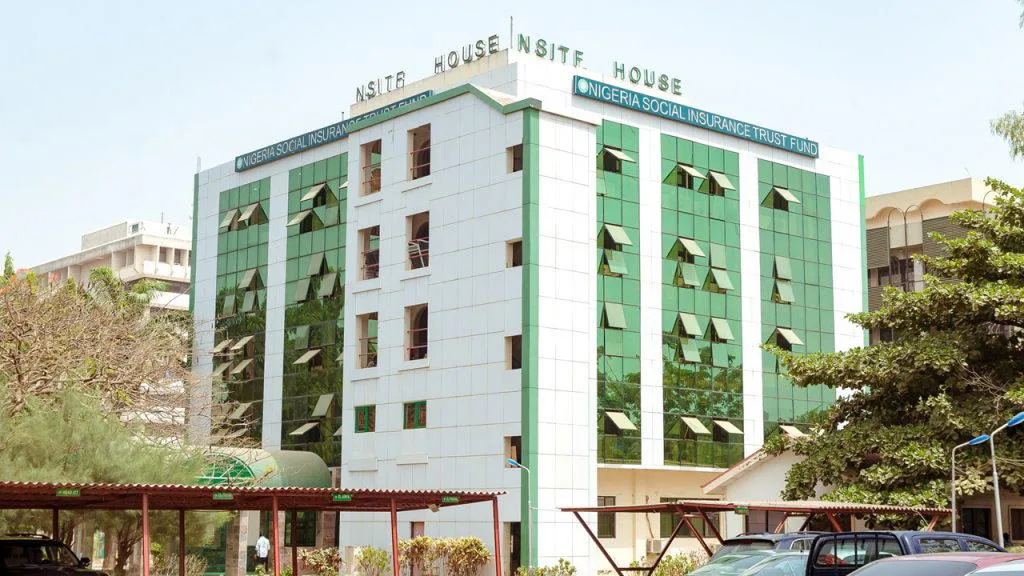
Nigerian workers have become one of the most vulnerable groups in society, according to the Nigeria Social Insurance Trust Fund, NSITF. The Managing Director of NSITF, Oluwaseun Faleye, made this declaration during a panel session at the International Civil Service Conference in Abuja. He was represented by the Fund's Abuja Regional Manager, Mrs Bridget Ashang.
The conference focused on "Inclusive public services for women, youths, persons with disabilities and vulnerable groups." It brought together stakeholders to discuss the protection of vulnerable groups. The NSITF is committed to protecting vulnerable groups, especially persons living with disabilities, through effective occupational safety and health measures. They don't just stop at protection - they also prioritize prevention.
The NSITF's Employees' Compensation Scheme serves as a critical social protection mechanism for workers who suffer injuries, disabilities, diseases, or death in the course of work. Under the scheme, dependants of deceased workers are supported until the last child attains the age of 21 or graduates from a tertiary institution. This support is crucial for families who've lost a loved one. Faleye explained that while compensation remains part of the Fund's statutory mandate, the agency now places stronger emphasis on prevention of workplace accidents and occupational hazards. They're doing this because prevention is better than compensation.
Faleye said, "Prevention is better than compensation. That's why we're leading when it comes to Occupational Safety and Health." The NSITF carries out audits, identifies gaps in workplaces, recommends corrective actions, and guides employers on best practices. They're taking proactive steps to prevent workplace accidents.
Faleye lamented that workers are often overlooked in conversations around social protection despite the enormous risks they face daily. Many disabilities recorded in the country arise from workplace-related incidents. Employers must create safe, healthy, and inclusive work environments for all categories of workers, including women, youths, and persons living with disabilities. They can't afford to neglect their employees' well-being.
The NSITF regularly conducts workplace occupational safety inspections to ensure accessibility and inclusiveness for vulnerable employees. However, Faleye decried the absence of punitive provisions in the existing law guiding workplace protection. He said, "Our law says employers should ensure workers are properly protected while at work, and where incidents occur, we step in. Unfortunately, there are no sanctions." This lack of sanctions is a significant challenge.
Other panellists at the session included Permanent Secretary, Federal Ministry of Health, Kachallom Daju; Permanent Secretary, Federal Ministry of Humanitarian Affairs, Mr Olubunmi Olusanya; Permanent Secretary, Federal Ministry of Justice and Solicitor General of the Federation, Mrs Beatrice Jedy-Agba; disability rights advocate, Dr Jake Epelle; Hansatu Adegbite; and Kristin Envig. They all came together to discuss the importance of inclusive public services.
The NSITF's declaration highlights the need for increased protection measures for Nigerian workers. With the country's workforce facing numerous challenges, it's essential for employers and regulatory bodies to prioritize occupational safety and health. The absence of punitive provisions in the existing law guiding workplace protection poses a significant challenge. It's crucial for stakeholders to address this issue to ensure that workers are adequately protected. They won't be able to do this alone - it'll require a collective effort.
Key Facts
- The NSITF declared Nigerian workers as the most vulnerable group in society.
- The Employees' Compensation Scheme provides support to dependants of deceased workers.
- The NSITF conducts regular workplace occupational safety inspections.
- There are no punitive provisions in the existing law guiding workplace protection.
- The conference focused on inclusive public services for vulnerable groups.
As the NSITF continues to emphasize the importance of workplace protection, it's essential for employers and regulatory bodies to take concrete steps to address the vulnerabilities faced by Nigerian workers. By prioritizing occupational safety and health, stakeholders can help create a safer and more inclusive work environment for all categories of workers. They're not just doing this for the workers - they're doing it for the overall well-being of the organization.
The Nigerian government has a crucial role to play in addressing the challenges faced by workers. By implementing effective policies and regulations, the government can help ensure that employers prioritize the safety and well-being of their employees. It's also essential for workers to be aware of their rights and to demand better working conditions. They can't just sit back and wait for things to change - they need to take action.
The NSITF's declaration highlights the need for increased protection measures for Nigerian workers. By prioritizing occupational safety and health, stakeholders can help create a safer and more inclusive work environment for all categories of workers. It's essential for employers, regulatory bodies, and the government to work together to address the vulnerabilities faced by Nigerian workers and to ensure that they are adequately protected. They won't be able to do this overnight - it'll take time and effort. However, with a collective effort, they can make a significant difference in the lives of Nigerian workers.
The fact is, Nigerian workers deserve to be protected, and it's the responsibility of all stakeholders to ensure that they are.