

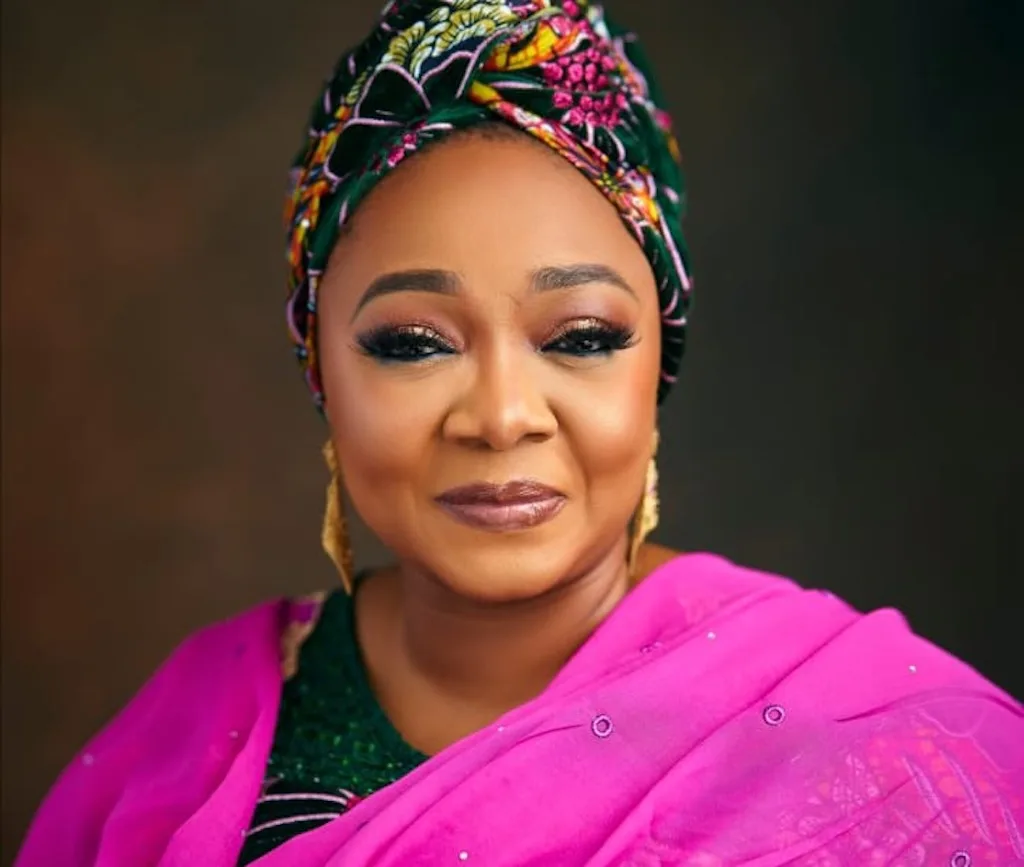
The federal government is intensifying efforts to scale up caregiver training and certification as part of moves to professionalise caregiving services and strengthen Nigeria's care economy. This was announced by the Minister of Women Affairs and Social Development, Imaan Sulaiman-Ibrahim, on Monday at the National Caregivers Summit in Abuja. The minister didn't specify when these efforts will be completed, but she emphasized that they're a key part of the government's plan.
The summit, themed 'Future Now: Advancing Inclusive Value-based Parenting and Education for Every Nigerian Child,' is part of activities to commemorate the 2026 National Children's Day celebration. According to Sulaiman-Ibrahim, caregiving, which traditionally places a disproportionate burden on women and adolescent girls, must be repositioned as a structured and recognised profession with standards, dignity, and investment. She noted that it's essential to recognise the value of caregiving and provide support to those who provide care.
Many women across the country are forced to sacrifice education, careers, and economic opportunities to provide unpaid care for children, persons with disabilities, and the elderly. As Sulaiman-Ibrahim noted, 'No nation can attain sustainable prosperity when a significant segment of its productive population is constrained by invisible and unsupported care responsibilities.' She didn't elaborate on the specific challenges faced by these women, but it's clear that they're struggling.
The minister said the summit represented a strategic national response to the challenge, adding that caregiving is being formally recognised as a critical professional sector rather than an invisible domestic duty. 'Our vision is to empower thousands of Nigerian youths with employable and globally relevant skills in childcare, geriatric care, special needs support, and community caregiving services,' she said. This vision is ambitious, and it won't be easy to achieve, but it's a step in the right direction.
This initiative will create sustainable employment opportunities while enabling more women to participate fully in the economy, with the assurance that dependents would receive safe and professional care. Sulaiman-Ibrahim also said the federal government is advancing plans to establish dedicated institutional departments on the care economy and women's climate resilience and adaptation. These departments will be established in collaboration with relevant ministries, and they'll play a crucial role in supporting caregivers.
The proposed structures would be implemented in collaboration with relevant ministries, departments, and agencies, including Environment, Agriculture, and Humanitarian Affairs, to ensure a coordinated national response to social and environmental challenges. According to her, the reforms aim to strengthen social protection systems and build a more inclusive and resilient economy. She didn't provide details on how these reforms will be implemented, but it's clear that they're needed.
'Every child protected from exploitation, every girl empowered with education and digital literacy, and every caregiver equipped with professional skills represents another building block in the foundation of a peaceful, stable, and economically resilient Nigeria,' Sulaiman-Ibrahim said. This statement highlights the importance of investing in caregivers and providing them with the support they need.
Speaking on 'Nigeria's Care Sector: Realities and Possibilities,' Chief Executive Officer of Caring Africa, Blessing Adesiyan, said Nigeria currently lacks a national care policy and standardised childcare systems. Adesiyan said urgent reforms were needed to professionalise the sector and recognise unpaid care work as a key part of the national economy. She didn't specify what these reforms should look like, but it's clear that they're necessary.
She emphasised that the country also lacks structured elder and disability care systems, formalised care workforce pathways, and adequate care infrastructure and investment. Most caregiving responsibilities are currently carried out by women, particularly mothers, without recognition, value, or support. Adesiyan reiterated the need for reforms to ensure unpaid care work was properly recognised and integrated into national development planning. This integration is crucial, and it won't happen overnight, but it's a step in the right direction.
The UN Women representative for Nigeria and ECOWAS, Beatrice Eyong, emphasised the importance of the care economy in enabling women's participation in politics, leadership, and economic activities. 'The care economy is extremely important, especially for young women who want to grow in politics, leadership, and the economic space,' Eyong said. 'Women need care and support systems to help them succeed in the roles they are expected to play.' She didn't elaborate on what these systems should look like, but it's clear that they're needed.
Eyong commended the Minister of Women Affairs and Social Development for elevating the care economy in the national discourse and pledged UN Women's support for the initiative. A Child Protection Specialist with UNICEF, Godwin Odo, also reaffirmed support for reforms aimed at revitalising Nigeria's care economy and strengthening child protection systems. This support is crucial, and it won't be enough on its own, but it's a start.
Other highlights of the summit included panel discussions on the care economy in practice and consultations on the proposed care sector policy. The summit brought together government officials, development partners, educators, students, and caregivers to deliberate on inclusive family and social development policies. It's not clear what the outcome of these discussions will be, but they're an important step in the right direction.
Key Facts
- The federal government is scaling up caregiver training and certification to boost the care economy. This initiative is a key part of the government's plan to support caregivers.
- Nigeria currently lacks a national care policy and standardised childcare systems. This lack of policy is a major challenge, and it won't be easy to address.
- The care economy is crucial for enabling women's participation in politics, leadership, and economic activities. It's essential to invest in the care economy and provide support to caregivers.
- The proposed reforms aim to strengthen social protection systems and build a more inclusive and resilient economy. These reforms won't be easy to implement, but they're necessary.
- The initiative will create sustainable employment opportunities for thousands of Nigerian youths. This is a key benefit of the initiative, and it won't happen overnight, but it's a step in the right direction.
As Nigeria moves to professionalise caregiving services, it's essential to consider the broader implications of this initiative. By recognising caregiving as a critical professional sector, the government can help alleviate the burden on women and adolescent girls, who are often forced to sacrifice their education, careers, and economic opportunities to provide unpaid care. This, in turn, can contribute to a more inclusive and resilient economy, where every child is protected from exploitation, every girl is empowered with education and digital literacy, and every caregiver is equipped with professional skills. It won't be easy, but it's possible.
The success of this initiative will depend on the government's ability to implement the proposed reforms effectively. This will require collaboration with relevant ministries, departments, and agencies, as well as the support of development partners, educators, students, and caregivers. As the country moves forward, it's essential to prioritise the needs of its most vulnerable citizens, including children, persons with disabilities, and the elderly, and to ensure that they receive safe and professional care. It's a complex challenge, but it's not impossible.
In the long term, the impact of this initiative could be significant. By strengthening social protection systems and building a more inclusive and resilient economy, Nigeria can create a better future for its citizens. As Sulaiman-Ibrahim noted, 'Every child protected from exploitation, every girl empowered with education and digital literacy, and every caregiver equipped with professional skills represents another building block in the foundation of a peaceful, stable, and economically resilient Nigeria.' It's a vision that's worth working towards, and one that requires the collective efforts of government, development partners, and civil society. They can't do it alone, but together, they can make a difference.