

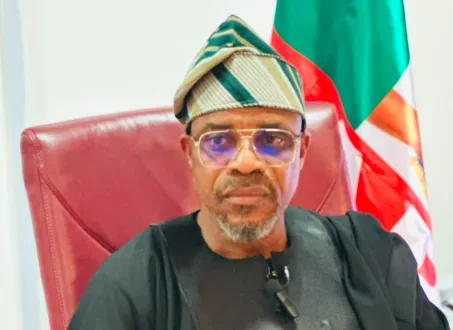
You might have missed it, but Nigeria's crude oil theft saga just took a dramatic turn. The Vice Chairman of the Senate Committee on Petroleum Resources (Upstream), Senator Allwell Onyesoh, has fired a strong shot at the Nigerian National Petroleum Company Limited (NNPCL). Onyesoh criticized the corporation for repeatedly failing to honour invitations from the National Assembly, terming it a 'setback to legislative oversight and a disregard for democratic institutions.'
Senator Allwell Onyesoh is a renowned figure in Nigeria's Senate, known for his outspoken views on matters affecting the country. A member of the People's Democratic Party (PDP) from Rivers State, Onyesoh has been a strong advocate for transparency and accountability in the nation's oil and gas sector. As Vice Chairman of the Senate Committee on Petroleum Resources (Upstream), Onyesoh has played a key role in investigations into crude oil theft, a persistent issue plaguing Nigeria's oil-rich communities.
The issue of crude oil theft has been a contentious one, with many Nigerians calling for greater transparency and accountability in the management of the nation's oil resources. The Senate Committee on Petroleum Resources (Upstream), led by Onyesoh, has been at the forefront of efforts to address this issue. In their latest move, the committee invited the NNPCL to appear before them, but the corporation failed to honour the invitation.
Onyesoh was particularly scathing in his criticism of the NNPCL, stating that the corporation's repeated failure to appear before the committee undermined transparency, weakened legislative oversight, and reflected a disregard for democratic institutions. He also questioned the NNPCL's claim that its officials were unavailable due to official engagements abroad, saying that this was unacceptable in a country where the highest law-making body in the land was being ignored.
In his impassioned speech, Onyesoh emphasized that the National Assembly has a constitutional duty to scrutinize the activities of government agencies, particularly those responsible for managing Nigeria's oil resources. He also cautioned against linking the NNPCL's conduct to President Bola Tinubu, saying that the President had consistently shown respect for the legislature.
The senator also expressed concern over the continued underdevelopment of oil-producing communities despite the enormous wealth generated from petroleum resources. He recalled the history of Umuechem in Etche Local Government Area of Rivers State, one of Nigeria's earliest oil-producing communities, and lamented the lack of basic infrastructure, employment opportunities, and meaningful participation in the petroleum industry in these communities. Onyesoh called on the Petroleum Technology Development Fund to publish records showing how many indigenes of Rivers State and other oil-producing communities had benefited from its scholarship and capacity development programmes.
The committee also considered proposed amendments to Nigeria's petroleum laws, particularly outdated provisions relating to penalties and regulatory enforcement, as part of efforts to strengthen the sector, curb crude oil theft, improve regulatory efficiency, and boost crude oil production. The senator reaffirmed his commitment to demanding greater accountability, transparency, and equitable treatment for oil-producing communities.
It remains to be seen how the NNPCL will respond to Onyesoh's criticisms. One thing is certain: the senator's strong words have sent a clear message that the National Assembly will not tolerate a lack of transparency and accountability from government agencies responsible for managing Nigeria's oil resources.
Key Facts
- Senator Allwell Onyesoh is the Vice Chairman of the Senate Committee on Petroleum Resources (Upstream).
- The Nigerian National Petroleum Company Limited (NNPCL) was invited to appear before the Senate Committee on Petroleum Resources (Upstream) but failed to honour the invitation.
- The committee was investigating crude oil theft and considering proposed amendments to Nigeria's petroleum laws.
- Onyesoh criticized the NNPCL's repeated failure to appear before the committee, saying it undermined transparency, weakened legislative oversight, and reflected a disregard for democratic institutions.
- The senator called on the Petroleum Technology Development Fund to publish records showing how many indigenes of Rivers State and other oil-producing communities had benefited from its scholarship and capacity development programmes.
- The committee also considered proposed amendments to Nigeria's petroleum laws to strengthen the sector, curb crude oil theft, improve regulatory efficiency, and boost crude oil production.