

The single sharpest fact in one or two punchy sentences. Who did what, where, when, and why it matters. Not a summary of everything — the one thing that makes someone stop scrolling. A reader who only reads this paragraph must understand what happened.
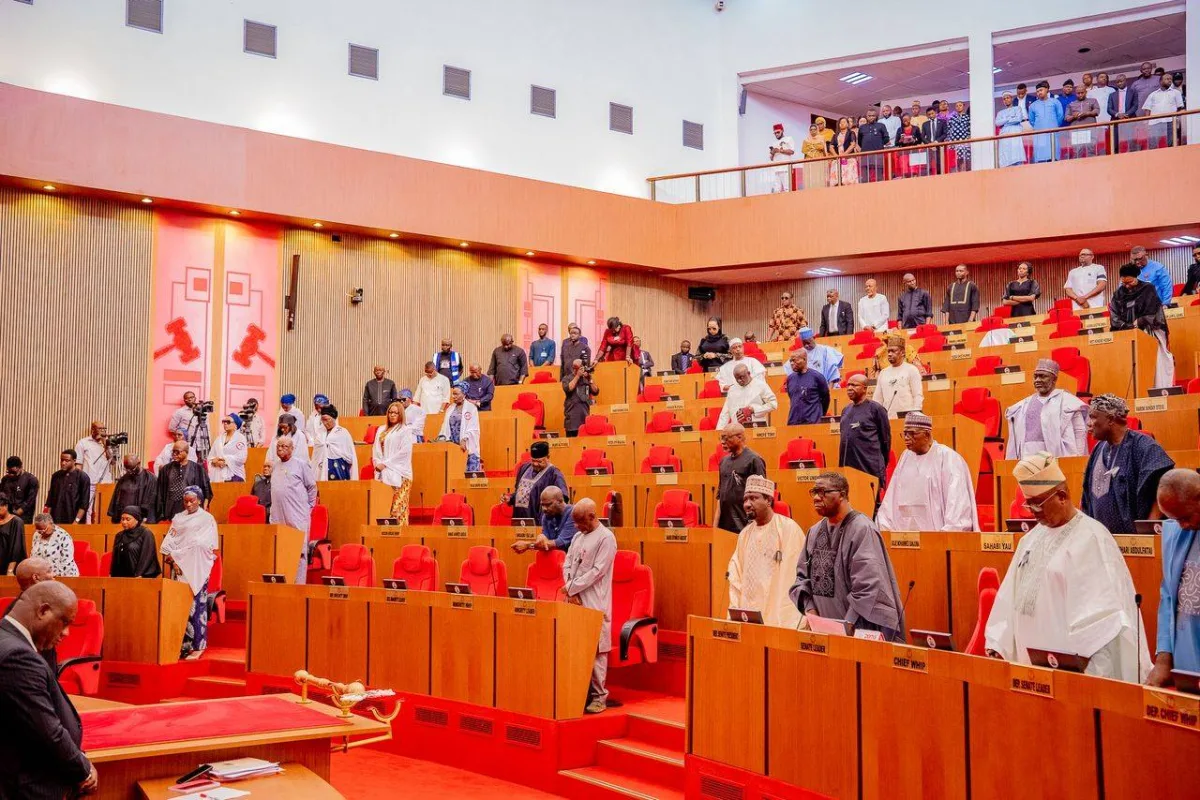
The Nigerian Senate has passed a resolution urging the government to end the practice of rehabilitating repentant members of the Boko Haram sect. The decision comes after a Senate debate on the abduction and killing of a retired major general and other military officers by bandits. Senator Abdulaziz Yar'Adua, representing Katsina Central Senatorial District, sponsored the resolution.
During the debate, senators argued that the rehabilitation programme for repentant terrorists has not been effective in reintegrating them into society. Senator Joseph Ikpea, representing Edo Central, proposed an additional prayer calling for the abolition of the rehabilitation programme. He argued that many communities remain traumatised by years of violence and are unwilling to accept former insurgents.
The rehabilitation programme, which was introduced in 2016, has been a contentious issue in Nigeria. The programme allows repentant terrorists to undergo psychological counselling, religious reorientation, and vocational training before being reintegrated into their communities. However, critics argue that the programme has not been effective in addressing the root causes of terrorism in Nigeria.
The Senate's resolution is not legally binding on the executive, but it represents the opinion of the upper chamber and will be communicated to the Presidency for consideration. If the President decides to abolish the rehabilitation programme, it would require executive action and legislative amendments to existing laws or policies governing Nigeria's counterterrorism framework.
The rehabilitation programme has been implemented in various North-east states, including Borno, Adamawa, and Yobe. Borno State has implemented its own reintegration initiatives, including providing vocational training and education to former insurgents. However, the programme has been met with criticism from victims' groups and civil society organisations.
The government has maintained that the rehabilitation programme is consistent with global Disarmament, Demobilisation and Reintegration (DDR) principles. However, critics argue that the programme has not been effective in addressing the root causes of terrorism in Nigeria.
Key Facts
- The Nigerian Senate has passed a resolution urging the government to end the practice of rehabilitating repentant members of the Boko Haram sect.
- The decision comes after a Senate debate on the abduction and killing of a retired major general and other military officers by bandits.
- The rehabilitation programme was introduced in 2016 and allows repentant terrorists to undergo psychological counselling, religious reorientation, and vocational training.
- The programme has been implemented in various North-east states, including Borno, Adamawa, and Yobe.
- Borno State has implemented its own reintegration initiatives, including providing vocational training and education to former insurgents.
- The Senate's resolution is not legally binding on the executive, but it represents the opinion of the upper chamber and will be communicated to the Presidency for consideration.