

Electric cooking marks a significant step towards addressing energy poverty, climate change, environmental degradation and the health risks associated with traditional cooking fuels.
The federal government has launched a national initiative to integrate electric cooking into Nigeria's Clean Cooking Policy Implementation Plan, as part of efforts to expand access to clean energy, reduce emissions and mobilise climate finance.
The initiative was unveiled at a workshop themed 'Integrating E-Cooking in Nigeria's Clean Cooking Policy Implementation Plan and Funding Proposals to Implement E-Cooking' convened by the Federal Ministry of Environment in collaboration with development partners.
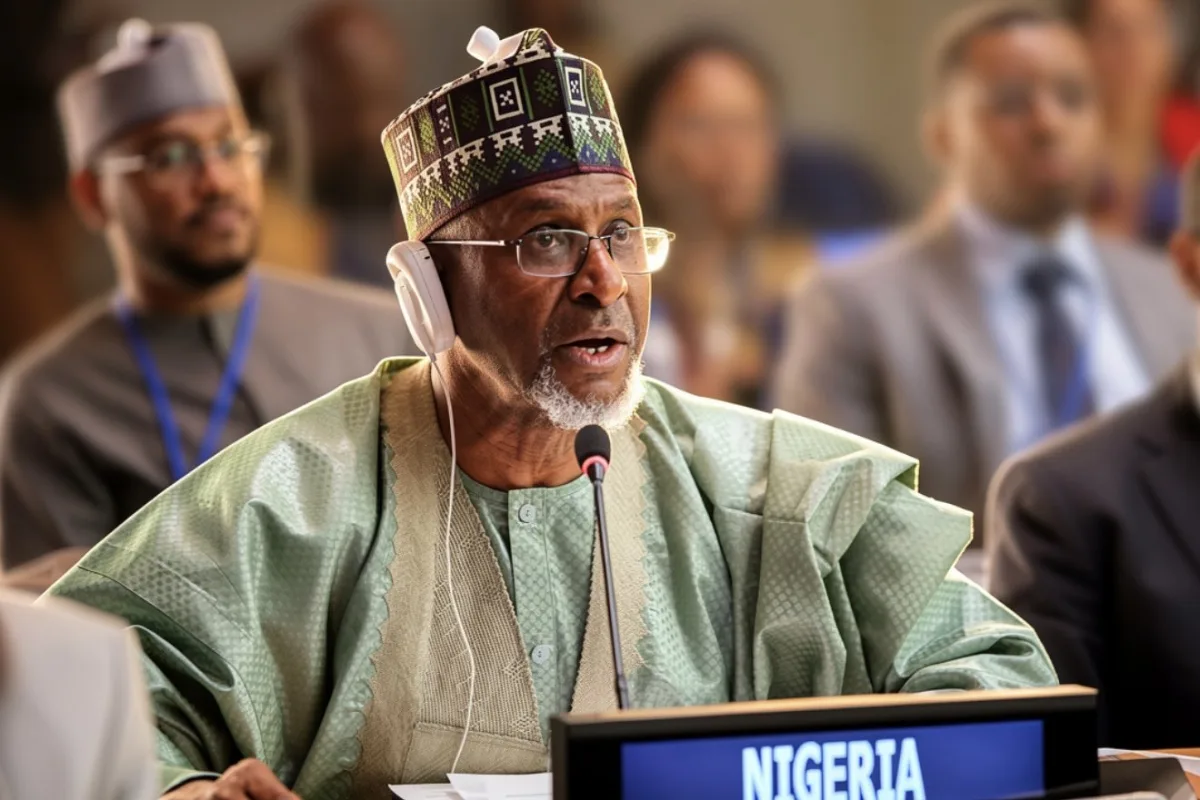
Salihu Usman, the permanent secretary of the Federal Ministry of Environment, represented by Iniobong Abiola-Awe, Director, Department of Climate Change, noted that the project reflects the government's commitment to accelerating the transition to 'clean, modern, and affordable cooking solutions for all Nigerians.'
The ministry highlighted that although millions of Nigerians still rely on biomass fuels for cooking, the country has begun laying the policy foundation for cleaner alternatives.
'This workshop comes at a critical moment in Nigeria's development journey as we seek practical, inclusive, and sustainable solutions to address energy poverty, climate change, public health challenges, and environmental degradation,' the ministry said.
According to the ministry, the National Clean Cooking Policy, launched in 2024, provides a framework for expanding access to safe, affordable and sustainable cooking technologies through improved investment, innovation and institutional coordination.
The ministry said the next phase is to incorporate electric cooking into the policy's implementation.
'E-Cooking, which utilises electricity from grid-connected, mini-grid, solar and other renewable energy systems for cooking, offers substantial environmental, economic and social benefits,' the ministry said.
The ministry added that advances in renewable energy technologies, mini-grids and energy-efficient appliances have made electric cooking increasingly viable for households, institutions and businesses.
So, what does this mean for Nigerians?
The initiative aims to reduce greenhouse gas emissions, improve indoor air quality, ease pressure on forests and improve household energy efficiency.
The government said integrating e-cooking aligns with Nigeria's Energy Transition Plan, which targets net-zero emissions by 2060 while expanding access to electricity.
The workshop brought together stakeholders to develop bankable funding proposals capable of attracting financing from public institutions, private investors, development finance institutions, carbon markets and international climate funds.
'The development of bankable funding proposals will enable us to mobilise resources… to support the large-scale deployment of e-Cooking solutions across Nigeria,' the ministry said.
The initiative also pledged continued support for complementary initiatives, including climate finance mobilisation, renewable energy deployment, ecosystem restoration and gender-responsive climate action.
Mrs Abiola-Awe said developing domestic value chains for electric cooking appliances would stimulate local manufacturing, create green jobs, reduce dependence on imports and strengthen Nigeria's clean energy economy.
She stressed that partnerships with the private sector, financial institutions and development partners would be essential to expanding the market while ensuring vulnerable communities are not left behind.
The Climate and Clean Air Coalition (CCAC) Focal Point for Nigeria, Asma'u Jibril, said integrating electric cooking into the national clean cooking framework represents a strategic opportunity to diversify the country's clean energy options.