

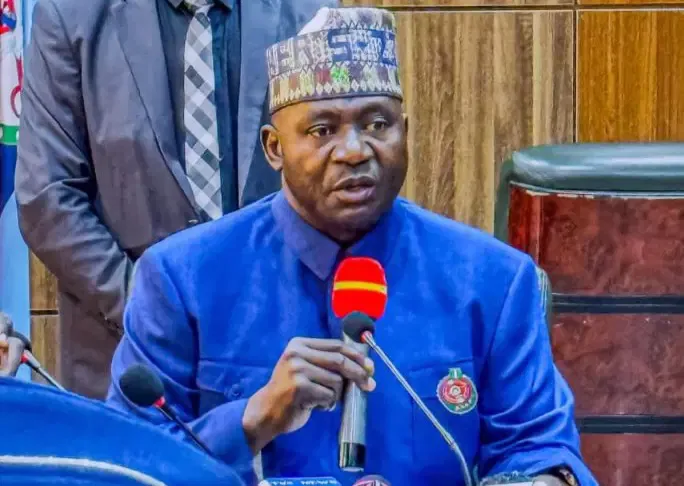
Nigeria Deepens Anti-Terrorism Collaboration with Benin, Niger
Nigeria is working to increase military cooperation with Benin and Niger as jihadists from the Sahel encroach on the country’s northwest, according to Defence Minister Christopher Musa. Africa’s most populous country has been battling homegrown militants since 2009, in a conflict that has been reshaped recently by the growing presence of armed groups from the wider region.
The United States has launched strikes against Islamic State Sahel Province in northwest Nigeria, while analysts are also worried about the presence of the Al-Qaeda-linked Group for the Support of Islam and Muslims (JNIM). “We’re opening another sector to cover the border between Nigeria, Benin Republic and Niger,” retired general Christopher Musa told AFP in an interview at his office in the Nigerian capital.
This plan was a “work in progress”, he said, without giving a definite timeline. He also said he planned to visit Burkina Faso, Mali and Niger in the coming months, all governed by military rulers that have broken with the regional west African bloc ECOWAS and formed their own Alliance of Sahel States. “Politically, there is always that issue, but militarily, we have been able to go beyond that,” Musa said of relations with Niger, adding that authorities in Niamey know “how important it is not to allow any gaps to exist”.
The increased collaboration with Benin comes as videos have circulated online recently of Beninese troops operating within Nigerian territory, which Musa said was done with long-established permission. Security sources have previously told AFP that the Nigerian military has also cooperated, on Nigerian territory, with anti-jihadist militias from Benin.
Nigeria’s conflict — long concentrated in the northeast — also appears to be shifting within its borders, with a rare school kidnapping in the southwest in May blamed on jihadists. “We are trying to stop them from getting deep into the south,” Musa told AFP, noting that jihadist activity has often overlapped with unguarded forest reserves and illegal mining operations.
### Key Facts
- Nigeria has been battling homegrown militants since 2009
- The United States has launched strikes against Islamic State Sahel Province in northwest Nigeria
- The Al-Qaeda-linked Group for the Support of Islam and Muslims (JNIM) is also present in the region
- Nigeria is increasing military cooperation with Benin and Niger
- The country's conflict is shifting within its borders, with a rare school kidnapping in the southwest in May blamed on jihadists
- The Defence Minister, Christopher Musa, plans to visit Burkina Faso, Mali and Niger in the coming months
“With illegal mining, if you notice, most of the areas where they are putting much pressure, there are mineral resources around that area, so they use that to leverage and to build up,” he said. With a presidential election looming in January, there are also fears that some voters, especially in the conflict’s epicentre in the northeast, will not be able to cast their ballots.
“We know that’s a possibility,” Musa told AFP. “What we’re trying to do is to ensure that that doesn’t happen.” “Nigerians are willing to vote as long as the locations are safe,” he said.
Musa stated that the military collaboration with Benin and Niger is a work in progress, and that he plans to visit Burkina Faso, Mali and Niger in the coming months to strengthen regional security efforts.
The Defence Minister, Christopher Musa, has emphasized the importance of closing ranks with regional partners to defeat the terrorists threatening the region. “We need to close ranks so that we can defeat these enemies,” Musa said.
The increased collaboration with Benin and Niger comes as videos have circulated online recently of Beninese troops operating within Nigerian territory, which Musa said was done with long-established permission. Security sources have previously told AFP that the Nigerian military has also cooperated, on Nigerian territory, with anti-jihadist militias from Benin.
In recent months, Nigeria has seen a surge in jihadist activity, with a rare school kidnapping in the southwest in May blamed on jihadists. “We are trying to stop them from getting deep into the south,” Musa told AFP, noting that jihadist activity has often overlapped with unguarded forest reserves and illegal mining operations.