

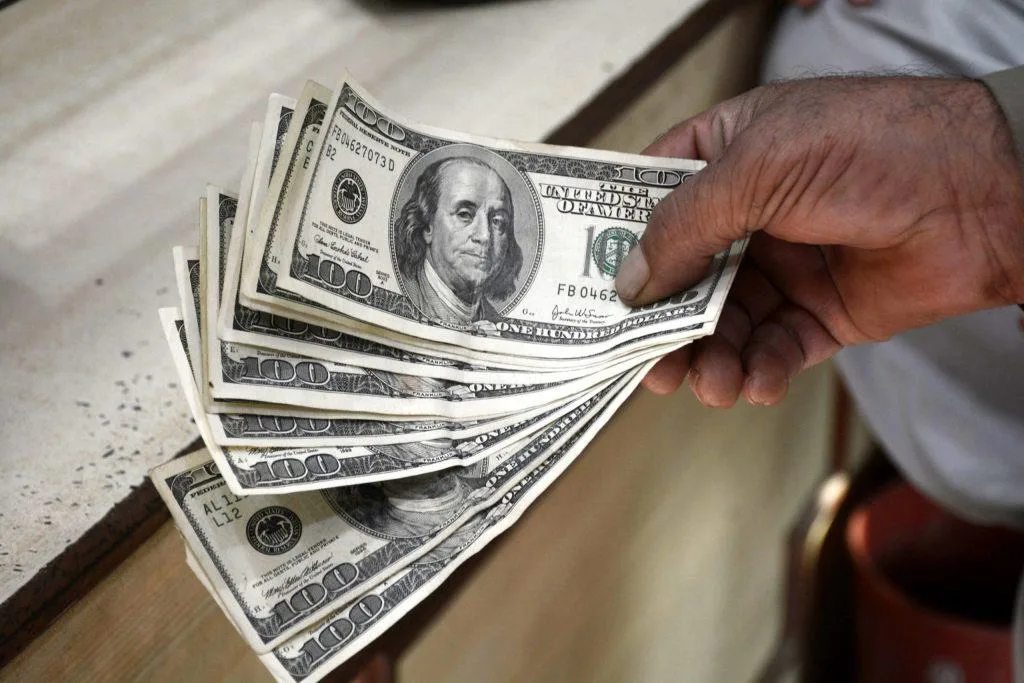
The Nigerian naira traded within a relatively stable range against the United States dollar on Monday, May 25, 2026, across both the official Nigerian Foreign Exchange Market (NFEM) and the parallel market.
Data from the Central Bank of Nigeria's NFEM window showed the official exchange rate hovering around ₦1,375 per dollar, following the last recorded closing rate of ₦1,375.46/$ on May 22.
Meanwhile, rates in the parallel market, also known as the black market, remained slightly higher as Bureau De Change operators in Lagos and Abuja quoted the dollar at around ₦1,385 for buying and between ₦1,395 and ₦1,400 for selling.
Currency tracking platforms monitoring retail forex transactions also showed the naira trading near ₦1,397/$ in the street market on Monday morning.
The gap between the official NFEM rate and the parallel market rate continued to reflect demand pressure in the retail foreign exchange segment, despite ongoing reforms and interventions by the Central Bank of Nigeria.
Market analysts said the naira's recent stability has been supported by improved dollar liquidity and tighter monetary conditions, although pressure from import demand and external market volatility remains a concern.
At the official market, the NFEM rate remains the benchmark exchange rate used by the CBN and is calculated using a volume-weighted average system.
The Central Bank of Nigeria has been working to reduce the gap between the official and parallel market rates, but it's been a challenge.
The naira's stability is crucial for Nigerians who import goods, as a stable exchange rate makes it easier for them to plan and budget.
Nigerians who import goods don't want to deal with a volatile exchange rate, so they're hoping the naira's stability will continue.
The demand for dollars remains high, and the Central Bank of Nigeria has to balance the supply of dollars to meet this demand.
The CBN has been using various tools to manage the demand for dollars, including auctions and sales of dollars to Bureau De Change operators.
The demand for dollars isn't just from importers; it's also from Nigerians who want to invest abroad or send money to their loved ones outside the country.
So, the Central Bank of Nigeria has to find a way to balance the demand for dollars with the available supply, which is a big challenge.
It's not just the Central Bank of Nigeria that's working to stabilize the naira; the government is also playing a role.
The government has been working to increase the country's foreign exchange earnings by promoting non-oil exports and increasing the production of goods that can be sold abroad.
This will help to increase the supply of dollars and reduce the demand for dollars, which will, in turn, help to stabilize the naira.
It won't happen overnight, though - it's a long-term plan, and it will take time to see the results.
In the meantime, Nigerians will have to continue to deal with the challenges of a volatile exchange rate.
The good news is that the naira has been stable in recent times, and this stability has been supported by the Central Bank of Nigeria's interventions.
The Central Bank of Nigeria's efforts to stabilize the naira are crucial, and they're having a positive impact.
However, the demand pressure in the retail foreign exchange segment remains a concern, and the Central Bank of Nigeria will have to continue to work to balance the demand for dollars with the available supply.
Key Facts
- The naira traded at ₦1,375 per dollar on the official market
- The parallel market rate was slightly higher at ₦1,385 for buying and between ₦1,395 and ₦1,400 for selling
- The gap between the official and parallel market rates reflects demand pressure in the retail foreign exchange segment
- The Central Bank of Nigeria has been working to reduce the gap between the official and parallel market rates
- The government is promoting non-oil exports to increase foreign exchange earnings
'The naira’s recent stability has been supported by improved dollar liquidity and tighter monetary conditions, although pressure from import demand and external market volatility remains a concern,' said a market analyst.
The Central Bank of Nigeria's efforts to stabilize the naira are crucial for the country's economy, as a stable exchange rate makes it easier for businesses to plan and budget.
It's not just businesses that benefit from a stable exchange rate; individuals also benefit, as they can plan their finances with more certainty.
So, the Central Bank of Nigeria's work to stabilize the naira is important, and it's something that Nigerians should be paying attention to.
The naira's stability is just one aspect of the country's economy, but it's an important one, and it has a big impact on the lives of Nigerians.
The naira's stability is crucial for Nigeria's economy, and the Central Bank of Nigeria's efforts to stabilize the naira are important.
But, there's still more work to be done to address the demand pressure in the retail foreign exchange segment and to promote non-oil exports to increase foreign exchange earnings.
The government and the Central Bank of Nigeria will have to continue to work together to find a solution to these challenges and to promote economic growth and stability in the country.
The future of the naira is uncertain, but it's clear that the Central Bank of Nigeria and the government will have to continue to work to promote economic stability and growth in the country.
They will have to do this in a way that benefits all Nigerians, not just a few.
The naira's stability is just the beginning; there's still a lot of work to be done to promote economic growth and stability in Nigeria.
But, with the right policies and interventions, it's possible to achieve economic stability and growth in the country.
And, that's what Nigerians are hoping for.
The Central Bank of Nigeria and the government have a big task ahead of them, but they can do it if they work together and with the support of Nigerians.
The naira's stability is a good start, but it's just the beginning.
There's still a lot of work to be done to promote economic growth and stability in Nigeria, but with the right policies and interventions, it's possible to achieve this goal.
And, that's what Nigerians are hoping for: a stable and growing economy that benefits everyone, not just a few.
The future of the naira and the Nigerian economy is uncertain, but it's clear that the Central Bank of Nigeria and the government will have to continue to work to promote economic stability and growth in the country.
They will have to do this in a way that benefits all Nigerians, not just a few.
The naira's stability is just the beginning; there's still a lot of work to be done to promote economic growth and stability in Nigeria.
But, with the right policies and interventions, it's possible to achieve economic stability and growth in the country.
And, that's what Nigerians are hoping for: a stable and growing economy that benefits everyone, not just a few.
Nigerians don't want to deal with a volatile exchange rate, so they're hoping the government and the Central Bank of Nigeria will succeed in their efforts to promote economic stability and growth.
The country's economy will benefit from a stable exchange rate, and that's what the government and the Central Bank of Nigeria are working towards.
It won't be easy, but it's possible, and Nigerians are hoping for the best.
The Central Bank of Nigeria and the government are on the right track, and they just need to keep working together to achieve their goals.
The naira's stability is a good sign, and it shows that the government and the Central Bank of Nigeria are making progress.
But, they can't stop now - they need to keep working to promote economic growth and stability in the country.
And, they need to do it in a way that benefits all Nigerians, not just a few.
The future of the naira and the Nigerian economy is uncertain, but with the right policies and interventions, it's possible to achieve economic stability and growth.
The government and the Central Bank of Nigeria just need to keep working together and with the support of Nigerians to achieve their goals.
It's not going to be easy, but it's possible, and Nigerians are hoping for the best.
The naira's stability is just the beginning, and there's still a lot of work to be done to promote economic growth and stability in Nigeria.
But, with the right policies and interventions, it's possible to achieve economic stability and growth in the country.
And, that's what Nigerians are hoping for: a stable and growing economy that benefits everyone, not just a few.