

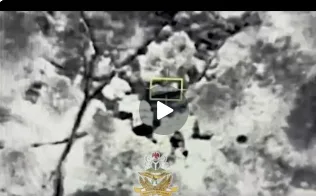
A recent Nigerian Air Force operation in Borno State's Sambisa Forest area has led to the death of nine Islamic State West Africa Province (ISWAP) fighters, including a senior commander. The operation was conducted on August 8, 2026, following intelligence on the suspects' activities within the region.
According to Air Commodore Ehimen Ejodame, Director of Public Relations and Information for the Nigerian Air Force, the operation began with the deployment of a Remotely Piloted Aircraft (RPA) for persistent Intelligence, Surveillance, and Reconnaissance (ISR). The aircraft tracked a group of terrorists moving towards a suspected hideout, and after identifying the target, conducted a precision strike.
The post-operation battle damage assessment indicated that significant effects were seen on the targeted compound, with several terrorists neutralised. Intelligence received after the operation confirmed that nine ISWAP fighters were killed, while several others were wounded.
Among those reportedly killed was Abu Khalid Al Muhajir, an ISWAP commander responsible for providing security escorts for the movement of senior members of the group. The Nigerian Air Force believes his death will affect the group's movement and protection arrangements, particularly due to his knowledge of routes and terrain connecting terrorist enclaves within the Sambisa Forest and surrounding areas.
Ejodame stated that intelligence also indicated that some of the terrorists affected by the strike were linked to elements suspected of involvement in the recent ambush of Nigerian troops along the Bita-Yamtage axis in Gwoza Local Government Area of Borno State.
The operation is a demonstration of the growing effectiveness of intelligence-led air operations, especially the use of persistent surveillance and precision strikes to locate and engage terrorist elements. The Nigerian Air Force said the operation was also expected to disrupt the movement of senior ISWAP members and coordination of activities across the group's enclaves.
This development highlights the ongoing efforts by the Nigerian military to degrade terrorist capabilities and improve security for communities affected by insurgency in the North-East. The operation showcases the growing effectiveness of intelligence-led air operations in combating the threat posed by terrorist groups.
We will continue to conduct intelligence-led air operations in coordination with ground forces to degrade terrorist capabilities, restrict their freedom of movement and improve security for communities affected by insurgency in the North-East. — Air Commodore Ehimen Ejodame
This operation is an example of the progress being made in the fight against terrorism in Nigeria. The Nigerian Air Force will continue to work towards disrupting the activities of terrorist groups, including ISWAP, and improving security in the region.