

The single sharpest fact in one or two punchy sentences. Who did what, where, when, and why it matters. Not a summary of everything — the one thing that makes someone stop scrolling. A reader who only reads this paragraph must understand what happened.
Lagos State Governor Babajide Sanwo-Olu has emphasized the need for stronger investment, financing, and market access to transform Africa's creative industries into drivers of jobs, exports, and industrial growth.
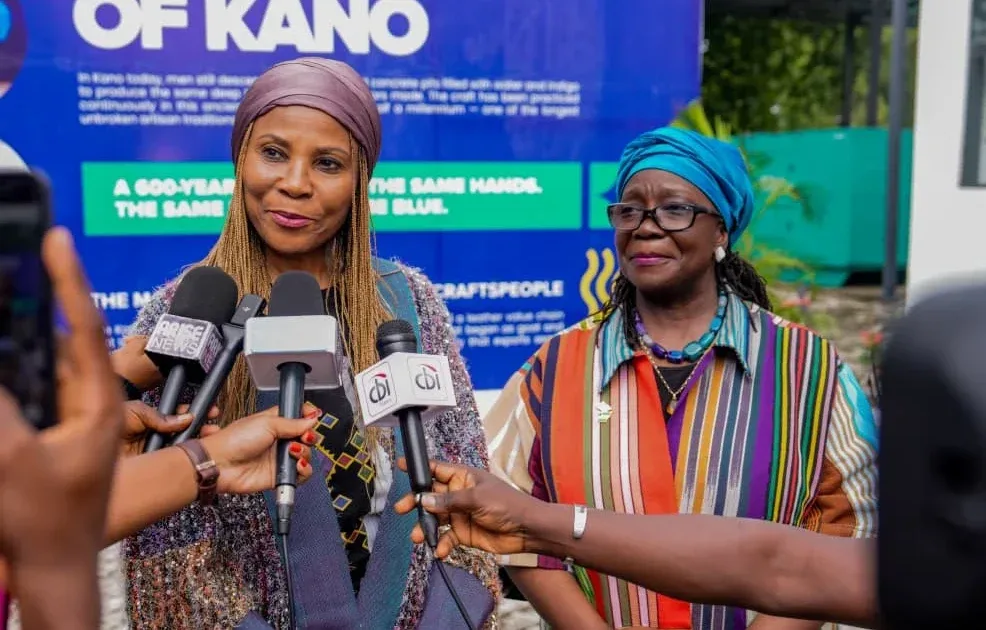
On Friday, the United Nations Development Programme and the Lagos State Government called for stronger investment, financing, and market access to help transform Africa’s creative industries into drivers of jobs, exports, and industrial growth. They made the call at the Stitch, Sell, Scale: Fashion, Leather & Creative Enterprise Spotlight in Lagos, which brought together leaders from government, finance, and business.
Represented by Commissioner for Wealth Creation and Employment Akinyemi Ajigbotafe, the governor said the state government was committed to building an ecosystem that enables businesses to grow, connect with new buyers, and access markets beyond Nigeria. He added that Lagos was collaborating with development partners, financial institutions, and the private sector to strengthen enterprise support systems, improve product quality and packaging, and support women and young entrepreneurs.
UNDP Resident Representative in Nigeria Elsie G. Attafuah said Africa’s fashion, leather, and creative sectors have evolved beyond cultural expression into productive industries capable of creating jobs, strengthening manufacturing, and building globally competitive brands. Africa’s creative economy is entering a defining moment, she said, noting that fashion, leather, design, and other creative industries are attracting growing regional and global attention.
However, she stressed that visibility alone would not deliver economic transformation. The real question before us is how creativity becomes prosperity; how talented designers become successful business owners; how small enterprises become competitive brands; and how creative industries contribute to jobs, industrial development, and long-term economic transformation.
Attafuah said the sectors create value across entire supply chains, from raw materials and manufacturing to design, branding, logistics, retail, and digital commerce, while preserving heritage and creating economic opportunities. She noted that many enterprises still struggle to access finance, investment, technology, market information, and business networks needed for growth.
Creativity becomes prosperity only when it is connected to markets. Ideas become businesses when they are connected to capital, she said, adding that the objective of the Spotlight was to connect entrepreneurs with opportunities.
Delivering the keynote goodwill message, UN Assistant Secretary-General, UNDP Assistant Administrator, and Regional Director for Africa Ahunna Eziakonwa, said Africa’s economic future would increasingly be shaped by innovation and enterprise. For many years, conversations about Africa’s economy centered on natural resources, agriculture, and traditional industries. Those sectors remain important, but another story is unfolding across our continent, she said.
Eziakonwa described the continent’s creative industries as a strategic economic sector capable of generating employment, attracting investment, and building internationally recognized brands. Africa has never lacked creativity, she said. The question before us today is how we ensure that creativity also becomes competitiveness.
She identified the African Continental Free Trade Area as a major opportunity for creative businesses to expand across borders, strengthen regional value chains, and attract investment. Imagine African leather processed in one country, designed in another, manufactured in a third, and sold across our continent under globally recognized African brands, she said.
Eziakonwa stressed that entrepreneurs cannot scale without access to finance, investment, infrastructure, technology, and supportive policies. She called for stronger collaboration among governments, financiers, private-sector leaders, universities, and development partners.
The world has already discovered Africa’s creativity. The next chapter is ensuring that the world also recognizes Africa’s competitiveness.
The world has already discovered Africa's creativity. The next chapter is ensuring that the world also recognises Africa's competitiveness.
Speaking at the event, UNDP initiatives such as timbuktoo, university innovation pods, and digital innovation hubs were highlighted as a means to connect entrepreneurs with investment and market opportunities across the continent. The organisation is working to link entrepreneurs with opportunities, she said.
The Spotlight is the first of a series of events aimed at promoting the growth and development of the creative industries in Africa. It also aims to showcase the continent's creative talent and products to the rest of the world.
The event brings together key stakeholders in the creative industry, including designers, fashion producers, and artists. It is a platform for them to connect with potential investors, clients, and partners.
The Lagos State Government and the UNDP are committed to supporting the growth of the creative industry in Africa. They believe that this sector has the potential to drive economic growth, create jobs, and improve livelihoods.
The creative industries are a significant contributor to the GDP of many African countries. They are a major source of employment for young people and are driving innovation and entrepreneurship on the continent.
The Lagos State Government and the UNDP are working together to identify new opportunities for the growth of the creative industries in Africa. They are committed to supporting entrepreneurs, designers, and fashion producers to connect with investors, clients, and partners.
The Spotlight event is a major milestone in the growth and development of the creative industries in Africa. It demonstrates the commitment of the Lagos State Government and the UNDP to supporting entrepreneurship, innovation, and creativity on the continent.
The creative industries are a major driver of economic growth and development in Africa. They have the potential to create jobs, improve livelihoods, and drive innovation and entrepreneurship.
The Lagos State Government and the UNDP are committed to supporting the growth of the creative industries in Africa. They believe that this sector has a significant potential to drive economic growth and development on the continent.
The creative industries are a major source of employment for young people in Africa. They are driving innovation and entrepreneurship on the continent and have the potential to create jobs and improve livelihoods.
Africa's creative economy is growing rapidly. The continent's fashion, leather, and creative industries are attracting growing regional and global attention.
Key Facts
• UNDP Resident Representative in Nigeria Elsie G. Attafuah said Africa's creative economy is entering a defining moment. • The Stitch, Sell, Scale: Fashion, Leather & Creative Enterprise Spotlight in Lagos brought together leaders from government, finance, and business. • Lagos State Governor Babajide Sanwo-Olu emphasized the need for stronger investment, financing, and market access for creative industries. • UNDP initiatives such as timbuktoo, university innovation pods, and digital innovation hubs are working to connect entrepreneurs with investment and market opportunities across the continent. • The African Continental Free Trade Area is a major opportunity for creative businesses to expand across borders, strengthen regional value chains, and attract investment. • At least $10 billion has been invested in Africa's creative industries since 2020.