

The Eid al-Adha, also known as the Greater Eid, is a celebration in the Muslim calendar that commemorates the sacrifice of Prophet Ibrahim's son Ismail. In Nigeria, the festival is known as Ileya and is a time for Muslims to come together with their families and friends. This year's celebrations are being overshadowed by the rising costs of living and the struggle to afford the traditional sacrifice of a ram. It's a challenge that many Muslim families can't afford, and it's affecting their ability to participate in the festival.
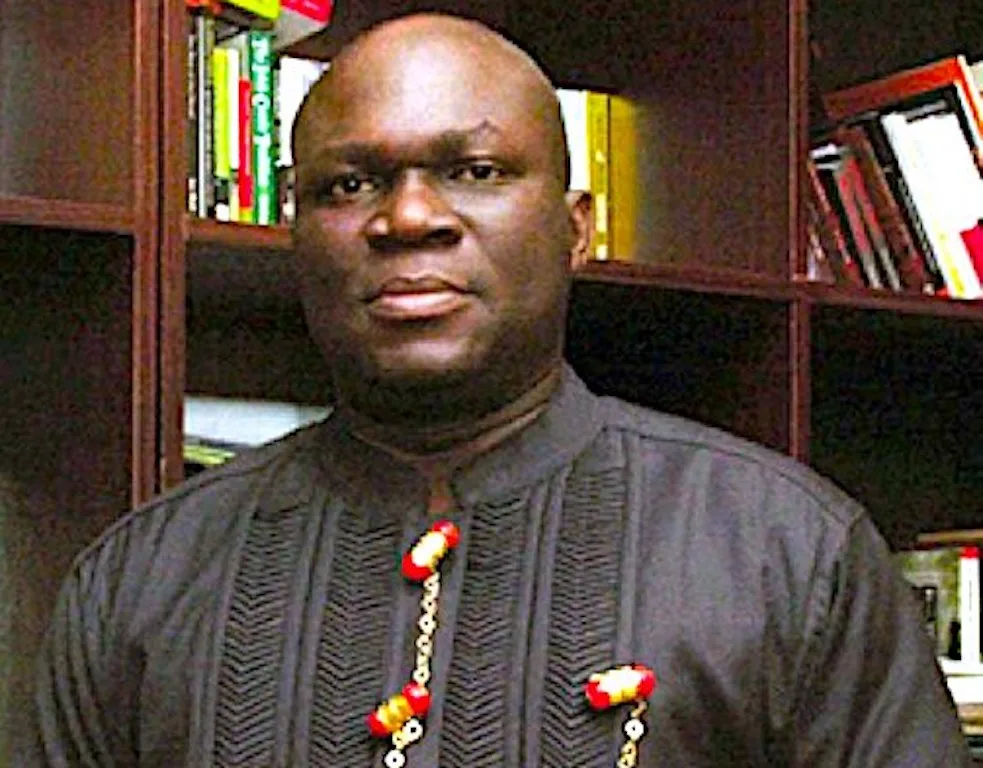
According to Reuben Abati, a former presidential spokesperson, the cost of a ram has become a burden for many Muslim families. Abati recalls his childhood memories of the Eid celebrations, where families would buy multiple rams and engage in ram-fighting competitions. However, with the current economic situation, many families are finding it difficult to afford even one ram. They're struggling to make ends meet, and the cost of a ram is a significant expense. The prices of rams have skyrocketed, with small-sized rams costing as much as N500,000.
Larger ones are reaching up to N750,000 or even N1 million.
The rising costs aren't only affecting the Muslim community, but also the broader society. The National Bureau of Statistics (NBS) has reported an inflation rate of 15.69% in April 2026. Food inflation is standing at 16.06% on a year-on-year basis. The highest rates of food inflation were recorded in Enugu, Kwara, and Adamawa states. This has made it challenging for many families to afford basic necessities.
They can't afford the traditional sacrifice of a ram, and they're struggling to make ends meet.
The Eid al-Adha celebrations aren't just about the sacrifice of a ram; they're also about the values of faith, loyalty, and generosity. Prophet Ibrahim's sacrifice is seen as a symbol of devotion to Allah. The festival is a time for Muslims to reflect on their faith and their relationship with God. However, with the current economic challenges, many Muslims are struggling to uphold these values. They're finding it difficult to balance their faith with the realities of their economic situation.
As the Eid al-Adha celebrations approach, many Muslims are finding creative ways to cope with the rising costs. Some families are pooling their resources together to buy a ram. Others are opting for alternative forms of sacrifice, such as donating to charity. The festival is also a time for music, food, and entertainment, with many communities coming together to celebrate. They're making the most of the situation, and they're finding ways to participate in the festival despite the challenges.
In Nigeria, the Eid al-Adha celebrations will coincide with the Ojude Oba festival, a cultural and historic festival of the Ijebu people. The festival will feature traditional music, dance, and horse races, and will be attended by people from all over the country. However, amidst the celebrations, many Nigerians are also reflecting on the current state of the country. They're concerned about the erosion of faith, the breakdown of social cohesion, and the rise of violence and extremism. These are major concerns that many Nigerians are grappling with, and they're wondering what the future holds.
The Eid al-Adha celebrations in Nigeria are a time for reflection, faith, and community. Despite the challenges posed by the rising costs of living, many Muslims are finding ways to uphold the values of the festival. They're coming together with their families and friends, and they're making the most of the situation. As the country navigates its current challenges, the Eid al-Adha celebrations serve as a reminder of the importance of faith, loyalty, and generosity. It's a time for Nigerians to reflect on their values and their priorities.
The Eid al-Adha celebrations will take place from May 26 to May 29. The cost of a ram has risen to as high as N750,000. The National Bureau of Statistics (NBS) has reported an inflation rate of 15.69% in April 2026. Food inflation stood at 16.06% on a year-on-year basis. The highest rates of food inflation were recorded in Enugu, Kwara, and Adamawa states. These are the key facts about the Eid al-Adha celebrations in Nigeria, and they provide a snapshot of the current economic situation.
Reuben Abati says, 'The essence of the Eid al-Adha is single-minded devotion to Allah, a mirror of loyalty and the resolve to do good to all men with love and the purity of heart.' This quote captures the essence of the festival, and it's a reminder of the values that Muslims are trying to uphold. The Eid al-Adha celebrations are a significant event in the Muslim calendar, and this year's celebrations will be marked by a mix of faith, community, and reflection. As Nigerians come together to celebrate, they will also be reflecting on the current state of the country and the challenges that lie ahead. They're looking to the future with a sense of hope and uncertainty, and they're wondering what the future holds.