

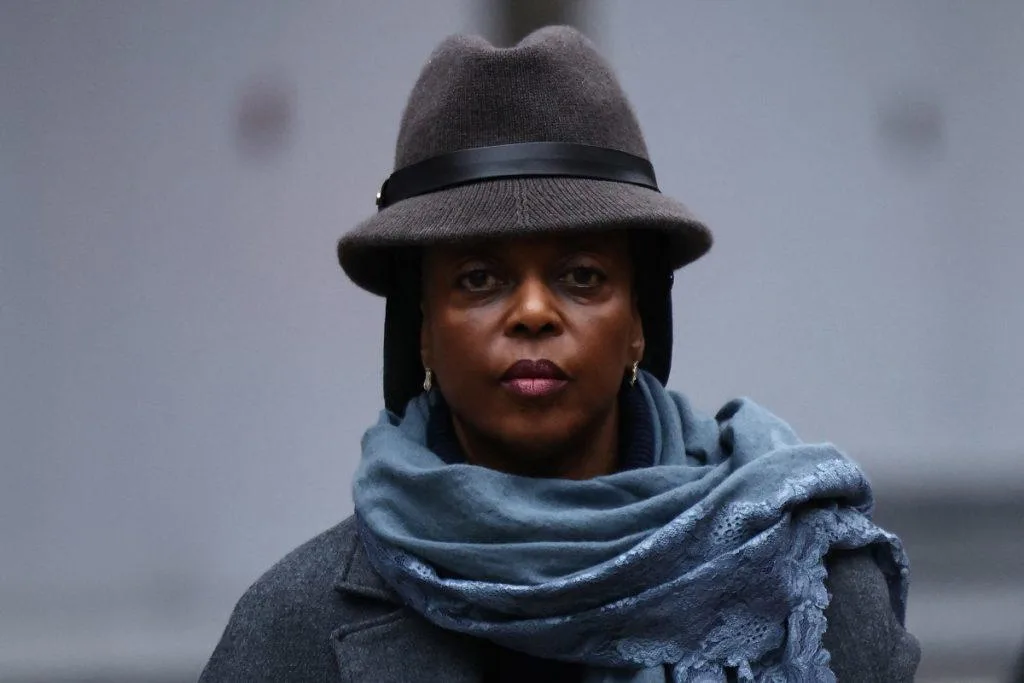
Diezani Alison-Madueke, the former minister for petroleum resources in Nigeria, is waiting for a verdict after a jury began deliberations in her trial at London's Southwark Crown Court. The trial started in late January and has lasted nearly four months.
Alison-Madueke, who served under then-President Goodluck Jonathan between 2010 and 2015, has pleaded not guilty to five counts of accepting bribes and one count of conspiracy to commit bribery. Prosecutors allege she led a 'life of luxury' in London, given high-end properties and taken on luxury shopping sprees by industry figures interested in lucrative oil and gas contracts. They claim she didn't earn enough to afford this lifestyle on her own.
The former minister, who is also a former president of the Organization of the Petroleum Exporting Countries, claims she was merely a 'rubber stamp' for official recommendations. 'At no time did I ask, take, or seek a bribe or bribes of any sort,' Alison-Madueke told the jury during her testimony last month. She didn't deny that she'd accepted gifts, but she said they weren't bribes.
Alison-Madueke stood trial alongside oil industry executive Olatimbo Ayinde, who is charged with one count of bribery relating to Alison-Madueke and a separate count of bribery of a foreign public official. Her brother, Doye Agama, is also charged with conspiracy to commit bribery relating to his church. Both deny the charges. They're saying they didn't do anything wrong.
The jury was sent out to consider their verdicts on the eight charges the three defendants face. This comes after a long and complex trial that has shed light on the inner workings of Nigeria's oil and gas sector. It's been a tough trial, and the jury has a lot to think about.
Diezani Alison-Madueke's background is complex. Born in Port Harcourt, Nigeria, she studied architecture in England and later worked at Shell. She was appointed as the minister for petroleum resources by President Goodluck Jonathan in 2010. Her tenure was marked by controversy, with many accusing her of mismanaging the country's oil resources. They didn't think she was doing a good job.
The trial has heard from several witnesses, including oil executives and government officials. Prosecutors presented evidence of Alison-Madueke's lavish lifestyle, including properties and shopping sprees. However, the defense argued that she wasn't directly involved in any corrupt activities. They said she didn't know what was going on.
As the jury deliberates, Alison-Madueke's fate hangs in the balance. If she's found guilty, she could face a significant prison sentence. The verdict will also have implications for Nigeria's ongoing efforts to tackle corruption in the oil and gas sector. It's a big deal, and it'll affect a lot of people.
'At no time did I ask, take, or seek a bribe or bribes of any sort,' Alison-Madueke told the jury during her testimony last month.
The trial has sparked widespread interest in Nigeria, with many calling for greater transparency and accountability in the oil and gas sector. The verdict will be closely watched by Nigerians and international observers alike. They're all waiting to see what happens.
In the meantime, Alison-Madueke remains on bail, awaiting the jury's decision. The outcome of the trial will have significant implications for her future and the broader fight against corruption in Nigeria. She's waiting anxiously, and so are a lot of other people.
Key Facts
- Diezani Alison-Madueke is the former minister for petroleum resources in Nigeria.
- She pleaded not guilty to five counts of accepting bribes and one count of conspiracy to commit bribery.
- The trial started in late January and lasted nearly four months.
- Alison-Madueke stood trial alongside oil industry executive Olatimbo Ayinde and her brother, Doye Agama.
- The jury is considering verdicts on eight charges against the three defendants.
The world is waiting for the verdict, and it's clear that the outcome of this trial will have far-reaching implications for Nigeria and the global fight against corruption. With the jury deliberating, it's a waiting game for Alison-Madueke and the people of Nigeria. They're all waiting to see what happens next.
The oil and gas sector in Nigeria is a significant contributor to the country's economy. However, it's been plagued by corruption and mismanagement. The trial of Diezani Alison-Madueke is a step towards addressing these issues and promoting greater transparency and accountability. It's a chance for Nigeria to show that it's serious about fighting corruption.
In recent years, Nigeria has taken steps to tackle corruption in the oil and gas sector. The government has implemented reforms and established agencies to oversee the sector. However, more needs to be done to address the root causes of corruption and ensure that those responsible are held accountable. They can't just stop now.
The verdict in the trial of Diezani Alison-Madueke will be a significant test of Nigeria's commitment to tackling corruption. If she's found guilty, it'll send a strong message that corruption won't be tolerated. On the other hand, if she's acquitted, it may undermine efforts to promote transparency and accountability in the oil and gas sector. It's a big test, and Nigeria needs to pass it.
The people of Nigeria are watching closely, and they demand justice and accountability. They won't settle for anything less. The trial of Diezani Alison-Madueke is a complex and multifaceted case. It involves allegations of bribery, conspiracy, and corruption. The prosecution has presented evidence of Alison-Madueke's lavish lifestyle, including properties and shopping sprees. However, the defense has argued that she wasn't directly involved in any corrupt activities.
As the jury deliberates, it's essential to consider the broader implications of the trial. The outcome will have significant implications for Nigeria's oil and gas sector, as well as the global fight against corruption. It's a waiting game, but one that will ultimately determine the fate of Diezani Alison-Madueke and the future of Nigeria's oil and gas sector. They're all waiting to see what happens.
The people of Nigeria are eager to see justice served. They demand accountability and transparency in the oil and gas sector. The trial of Diezani Alison-Madueke is a step towards achieving these goals. However, it's only the beginning. More needs to be done to address the root causes of corruption and ensure that those responsible are held accountable. They can't stop now.
The trial of Diezani Alison-Madueke is a significant case that has far-reaching implications for Nigeria and the global fight against corruption. The outcome of the trial will determine the fate of Alison-Madueke and the future of Nigeria's oil and gas sector. It's a waiting game, but one that will ultimately promote transparency, accountability, and justice. The people of Nigeria are waiting, and they won't wait forever.