

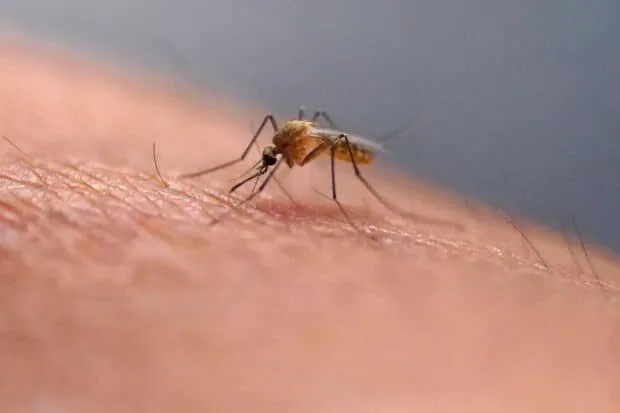
Imagine a bug has bitten you, and the itching is driving you crazy. Scratching the itch may give you temporary relief, but a new study says it could be doing more harm than good. According to researchers, even a mildly annoying itch could put you on an itch-and-scratch cycle if you give in.
The study, which used tiny 'cones of shame' to study the effects of scratching on mice, found that the act of scratching can damage the skin. Researchers at the National Institutes of Health (NIH) discovered that when mice scratch an itch, they release chemical signals that stimulate the itch-scratch cycle. This cycle can be difficult to break, and it can lead to skin damage and other complications.
Dr. Suzanne Becker, a dermatologist at the NIH, explained that the itch-scratch cycle is a complex process that involves multiple systems in the body. She said that while it may seem counterintuitive, scratching can actually make the itch worse in the long run. Dr. Becker noted that this is because scratching releases histamine, a chemical that can exacerbate the itch.
But scratching isn't the only way to alleviate itchiness. Dr. Becker recommended that people try using cold compresses or taking an oral antihistamine to relieve itchiness. She also suggested that people avoid scratching in the first place, as this can prevent the itch-scratch cycle from starting in the first place.
The research team used a technique called 'skin electroporation' to study the effects of scratching on mice. They inserted tiny electrodes into the skin of mice and measured the electrical activity of their skin in response to different stimuli. The team found that mice who were allowed to scratch an itch had higher levels of electrical activity in their skin than mice who were denied scratching.
In terms of real-world implications, the study suggests that people should be cautious when it comes to scratching bug bites or applying topical creams. While these remedies may provide temporary relief, they may also trigger the itch-scratch cycle and lead to skin damage.
The study was published in the Journal of Investigative Dermatology. According to Dr. Becker, the research team is currently working on developing new treatments for itchiness that don't rely on scratching.
Key Facts
- The study used 20 mice for the research.
- The mice were injected with a histamine solution to induce itchiness.
- The researchers used skin electroporation to measure the electrical activity of the mice's skin.
- The study found that the itch-scratch cycle can lead to skin damage and other complications.
- Dr. Becker recommends using cold compresses or taking an oral antihistamine to relieve itchiness.