

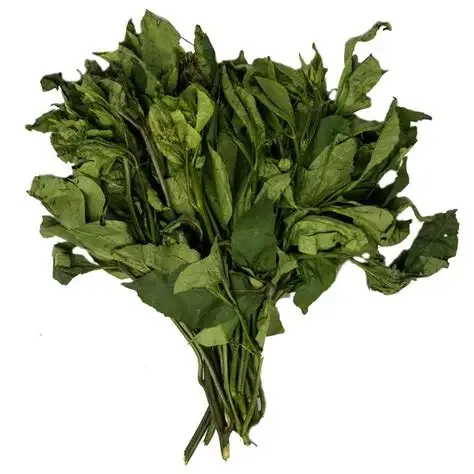
You know how you often ask the vegetable seller at the market to quickly slice your egusi or ugu leaves for you before you take them home? Well, nutrition experts are saying you should stop. And not just you, but all Nigerians. This common practice, they warn, isn't just unhygienic; it's downright dangerous.
According to nutritionists, slicing vegetables in open markets before washing them exposes them to all sorts of nasties. We're talking about harmful microorganisms and even chemical residues from farms. When these veggies are cut in the open air, and then you take them home and wash them, some of those vital nutrients get washed away with the dirt. The result? You end up with less nutritious food that could also be contaminated.
The World Health Organisation isn't playing around with this. They say unsafe food can cause over 200 diseases, from simple diarrhoea to, you guessed it, cancer. Globally, unsafe food is responsible for a staggering 866 million illnesses and 1.5 million deaths every year. And guess who's most at risk? Our little ones. Children under five are almost three times more likely to get sick from bad food than older folks.
Olusola Malomo, a registered dietician-nutritionist and Assistant Director of Dietetics at the Lagos State Health Service Commission, put it bluntly. He said the open market environment is obviously unsafe. "When you get home to wash them, some of the vital nutrients will escape, and you won't get the actual amount of nutrients in the vegetable," Malomo explained in an interview with PUNCH HealthWise. He added that if you compare vegetables sliced before washing in the market versus those washed at home before slicing, the latter clearly has more nutrients. Some people, he noted with concern, even cook these market-sliced vegetables without washing them at all.
Malomo also pointed out that some vegetables might have been treated with chemical fertilisers and insecticides just days before reaching the market. Slicing them in the market means these chemicals can get trapped. "Again, anything could have happened in the process of slicing because of the seller’s hygiene," he said, emphasizing that sellers in open markets can't possibly maintain good hygiene. Bacteria can easily contaminate the vegetables, introducing harmful microorganisms into your body.
Another expert, Nwabumma Asouzu, a Registered Dietician-Nutritionist, highlighted that raw vegetables can get contaminated by physical things like unwashed hands of sellers or from an unhygienic environment. We're talking about faecal matter, parasites, maggots, insects, sand, and even tiny stones. The risk of food poisoning from bacteria like Salmonella, E. coli, and Listeria is very real with this practice. Asouzu also advised against buying damaged or bruised vegetables because they lose antioxidants faster.
Experts are clear: wash your vegetables thoroughly under running water before you chop them. Handle them with care from the farm all the way to your plate to keep those beneficial antioxidants and vitamins intact. It's a simple step that can make a huge difference to your health.