

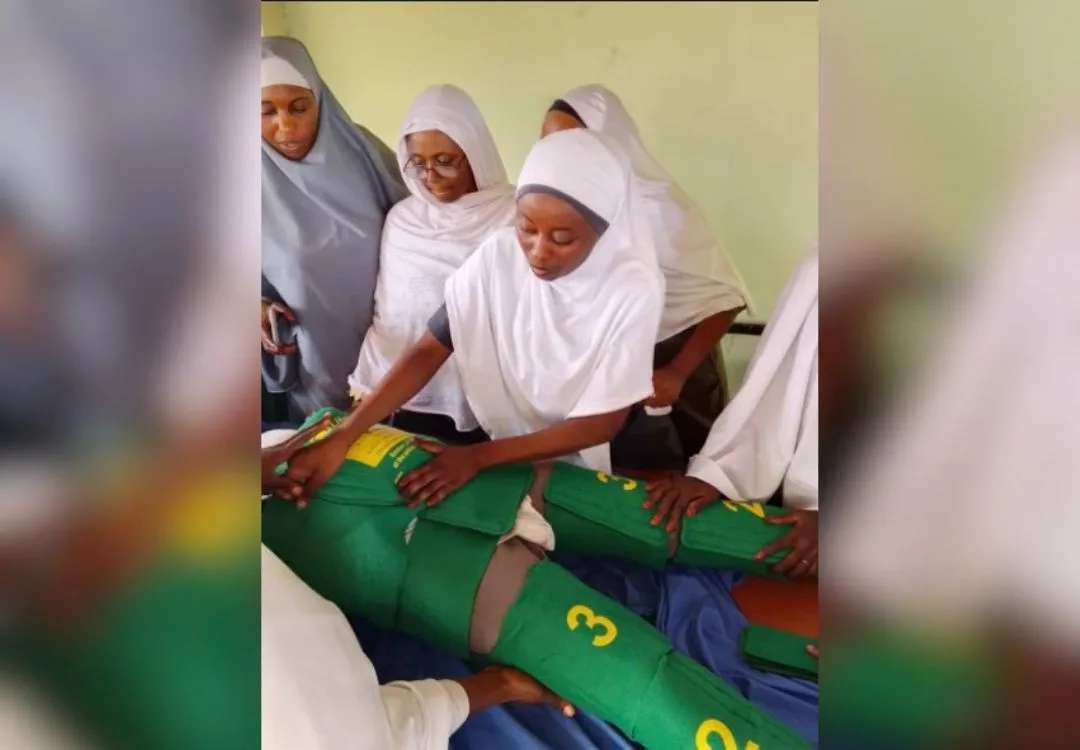
At a primary healthcare centre in Kaduna State, health workers aren't just watching helplessly as women suffer excessive bleeding after childbirth anymore. Zainab Garba, an antenatal care provider at PHC Abdukwari in Sabon Gari LGA, remembers the old days. Back then, their options were limited: offer initial care, explain the gravity of the situation to the family, and prepare the woman for a transfer to a bigger hospital. But thanks to a new intervention, things are changing.
Ms Garba is now trained in the E-MOTIVE approach for detecting and managing postpartum haemorrhage (PPH). "With the presence of E-MOTIVE and the training given to us, we now do better," she said. "The majority stop bleeding without even being referred." This means more women are getting the critical care they need right at their local clinics, preventing potentially fatal delays.
This shift is part of the Task Shifting Task Sharing (TSTS) project. It's an initiative by Pathfinder International, working with Impact Catalysts and backed by the Gates Foundation. The project aims to boost the skills of Community Health Extension Workers (CHEWs) so they can handle specific maternal health emergencies at the primary level. It’s all about making sure help is available where and when it’s needed most.
So far, 77 CHEWs in nine Kaduna State LGAs – including Kaduna North, Kaduna South, Igabi, Soba, Sabon Gari, Makarfi, Kaura, Jema’a, and Zangon Kataf – have gone through this training. They aren’t alone either; each LGA has a clinical mentor and a Reproductive Health Coordinator to guide them. The training covers a lot, from preventing PPH to managing basic emergency obstetric and newborn care.
PPH, or excessive bleeding after birth, is a major killer of mothers globally. It can happen within 24 hours (primary PPH) or up to six weeks later (secondary PPH). Globally, the World Health Organisation (WHO) estimates that PPH affects around 27 million women annually, leading to nearly 43,000 deaths. The financial burden? It's over $10 billion each year for countries, health systems, and families.
The impact is felt hardest in places like sub-Saharan Africa and South Asia, where the WHO says more than 85 per cent of PPH deaths occur. Here in Nigeria, PPH is a huge problem. It's responsible for an estimated 23 to 30 per cent of all maternal deaths, according to the WHO.
Kaduna State isn't immune. Recent data from the State Primary Health Care Board shows PPH was the main cause of maternal death in the first quarter of 2026. Deaths were reported in Kudan, Birnin Gwari, and Lere LGAs. This follows a pattern from late 2025, when a state report linked maternal deaths in several areas to PPH, often after deliveries outside of health facilities.
What makes PPH so tricky is that often, there are no obvious warning signs. This is why spotting it early and acting fast is super important. Doctors call PPH the "obstetrician's nightmare," especially in places like Nigeria where getting emergency care can be tough. Women who've had multiple pregnancies, long labours, anaemia, or previous C-sections might be at higher risk. If severe bleeding isn't stopped quickly, a woman can go into shock, her organs can fail, and she can die.
The WHO now recommends measuring blood loss objectively after birth. While traditionally PPH was defined as losing at least 500ml of blood, newer advice suggests intervening when blood loss hits 300ml and the woman's vital signs are unstable. Tools like a special calibrated drape placed under the mother can help measure this blood loss accurately. This reduces guesswork and speeds up the response.