

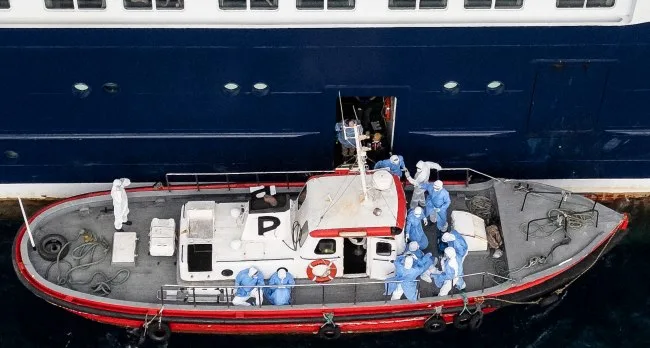
The MV Hondius, a cruise ship that was supposed to be a luxurious getaway for its passengers, has turned into a nightmare. Three passengers have died, and others have fallen sick with the rare hantavirus, which usually spreads among rodents. The ship, which was carrying a mix of nationalities, including a Dutch husband and wife and a German woman, has been hit hard by the disease. The WHO Chief has arrived in Spain to oversee the evacuation of the ship, which is a significant development in the story. The fact that the WHO Chief is involved indicates the severity of the situation and the need for international cooperation to contain the outbreak.
The hantavirus outbreak on the MV Hondius is a rare and unusual occurrence. The disease, which is usually spread through contact with rodent droppings or urine, is not typically found on cruise ships. However, the fact that the ship was carrying passengers from different parts of the world may have contributed to the spread of the disease. The ship's crew and the passengers who are still on board are likely to be worried and scared, given the severity of the situation. The evacuation of the ship is a complex process that requires careful planning and execution to ensure that all passengers and crew members are safely removed from the ship.
The WHO Chief's arrival in Spain to oversee the evacuation is a significant development in the story. The WHO, or World Health Organization, is a specialized agency of the United Nations that is responsible for international public health. The fact that the WHO Chief is involved in the evacuation indicates that the situation is being taken very seriously and that international cooperation is necessary to contain the outbreak. The WHO Chief will likely work with local health authorities to ensure that all passengers and crew members are safely removed from the ship and that the outbreak is contained. The WHO Chief will also likely provide guidance and support to the local health authorities to ensure that the outbreak is handled properly.
The hantavirus outbreak on the MV Hondius is a reminder of the risks associated with international travel. The fact that the ship was carrying passengers from different parts of the world may have contributed to the spread of the disease. The outbreak also highlights the need for careful planning and preparation to prevent the spread of diseases. The WHO and local health authorities will likely take steps to prevent similar outbreaks in the future, including providing guidance and support to the cruise ship industry. The outbreak is also a reminder of the importance of international cooperation in containing the spread of diseases.
Key Facts
- Three passengers have died from the hantavirus outbreak on the MV Hondius.
- The ship was carrying a mix of nationalities, including a Dutch husband and wife and a German woman.
- The WHO Chief has arrived in Spain to oversee the evacuation of the ship.
- The hantavirus is a rare disease that usually spreads among rodents.
- The ship's crew and passengers who are still on board are likely to be worried and scared.
- The evacuation of the ship is a complex process that requires careful planning and execution.
- The WHO is a specialized agency of the United Nations that is responsible for international public health.
- The hantavirus outbreak is a reminder of the risks associated with international travel.
Background on Hantavirus
Hantavirus is a rare disease that usually spreads among rodents. The disease is typically spread through contact with rodent droppings or urine. The symptoms of hantavirus include fever, headache, and muscle ache, and can be severe in some cases. The disease is not typically found on cruise ships, but the fact that the MV Hondius was carrying passengers from different parts of the world may have contributed to the spread of the disease. The hantavirus outbreak on the MV Hondius is a rare and unusual occurrence, and the fact that the WHO Chief is involved indicates the severity of the situation.
The hantavirus is a type of virus that is found in rodents and other small mammals. The virus is typically spread through contact with rodent droppings or urine, and can be severe in some cases. The symptoms of hantavirus include fever, headache, and muscle ache, and can be severe in some cases. The disease is not typically found on cruise ships, but the fact that the MV Hondius was carrying passengers from different parts of the world may have contributed to the spread of the disease. The hantavirus outbreak on the MV Hondius is a reminder of the risks associated with international travel and the need for careful planning and preparation to prevent the spread of diseases.
The hantavirus outbreak on the MV Hondius is a significant development in the story. The fact that the WHO Chief is involved indicates the severity of the situation and the need for international cooperation to contain the outbreak. The WHO Chief will likely work with local health authorities to ensure that all passengers and crew members are safely removed from the ship and that the outbreak is contained. The WHO Chief will also likely provide guidance and support to the local health authorities to ensure that the outbreak is handled properly. The hantavirus outbreak on the MV Hondius is a reminder of the importance of international cooperation in containing the spread of diseases.
The Role of the WHO
The WHO, or World Health Organization, is a specialized agency of the United Nations that is responsible for international public health. The WHO plays a critical role in promoting health and preventing the spread of diseases around the world. The WHO works with local health authorities to provide guidance and support to prevent the spread of diseases and to contain outbreaks. The WHO also provides technical assistance and support to countries to strengthen their health systems and to improve their ability to respond to health crises. The WHO Chief's arrival in Spain to oversee the evacuation of the MV Hondius is a significant development in the story, and indicates the severity of the situation.
The WHO has a long history of working to promote health and prevent the spread of diseases around the world. The WHO was established in 1948, and has since become a leading global health authority. The WHO works with local health authorities to provide guidance and support to prevent the spread of diseases and to contain outbreaks. The WHO also provides technical assistance and support to countries to strengthen their health systems and to improve their ability to respond to health crises. The WHO Chief's arrival in Spain to oversee the evacuation of the MV Hondius is a significant development in the story, and indicates the severity of the situation.
The WHO Chief's role in the evacuation of the MV Hondius is critical. The WHO Chief will work with local health authorities to ensure that all passengers and crew members are safely removed from the ship and that the outbreak is contained. The WHO Chief will also provide guidance and support to the local health authorities to ensure that the outbreak is handled properly. The WHO Chief's experience and expertise will be invaluable in containing the outbreak and preventing further spread of the disease. The WHO Chief's involvement in the evacuation of the MV Hondius is a reminder of the importance of international cooperation in containing the spread of diseases.
The Impact on the Cruise Ship Industry
The hantavirus outbreak on the MV Hondius is a significant development for the cruise ship industry. The outbreak is a reminder of the risks associated with international travel and the need for careful planning and preparation to prevent the spread of diseases. The cruise ship industry will likely take steps to prevent similar outbreaks in the future, including providing guidance and support to crew members and passengers on how to prevent the spread of diseases. The outbreak is also a reminder of the importance of international cooperation in containing the spread of diseases.
The cruise ship industry is a significant sector of the global tourism industry. The industry provides employment and economic opportunities for millions of people around the world. However, the industry also poses risks to passengers and crew members, including the risk of disease outbreaks. The hantavirus outbreak on the MV Hondius is a reminder of these risks and the need for careful planning and preparation to prevent the spread of diseases. The industry will likely take steps to prevent similar outbreaks in the future, including providing guidance and support to crew members and passengers on how to prevent the spread of diseases.
The hantavirus outbreak on the MV Hondius is a significant development for the cruise ship industry. The outbreak is a reminder of the importance of international cooperation in containing the spread of diseases. The industry will likely work with the WHO and local health authorities to prevent similar outbreaks in the future. The industry will also likely provide guidance and support to crew members and passengers on how to prevent the spread of diseases. The hantavirus outbreak on the MV Hondius is a reminder of the risks associated with international travel and the need for careful planning and preparation to prevent the spread of diseases.
The Response from Local Health Authorities
The local health authorities in Spain have responded quickly to the hantavirus outbreak on the MV Hondius. The authorities have worked with the WHO and the cruise ship industry to contain the outbreak and prevent further spread of the disease. The authorities have also provided guidance and support to crew members and passengers on how to prevent the spread of diseases. The response from local health authorities is a reminder of the importance of international cooperation in containing the spread of diseases.
The local health authorities in Spain have a long history of working to promote health and prevent the spread of diseases. The authorities have worked with the WHO and other international organizations to provide guidance and support to prevent the spread of diseases and to contain outbreaks. The authorities have also provided technical assistance and support to countries to strengthen their health systems and to improve their ability to respond to health crises. The response from local health authorities to the hantavirus outbreak on the MV Hondius is a reminder of the importance of international cooperation in containing the spread of diseases.
The hantavirus outbreak on the MV Hondius is a significant development in the story, and the response from local health authorities is critical in containing the outbreak. The authorities will work with the WHO and the cruise ship industry to prevent similar outbreaks in the future, and to provide guidance and support to crew members and passengers on how to prevent the spread of diseases.
What Happens Next
The hantavirus outbreak on the MV Hondius is a significant development in the story, and the response from local health authorities and the WHO will be critical in containing the outbreak. The authorities will work with the WHO and the cruise ship industry to prevent similar outbreaks in the future, and to provide guidance and support to crew members and passengers on how to prevent the spread of diseases. The outbreak is a reminder of the risks associated with international travel and the need for careful planning and preparation to prevent the spread of diseases. The WHO and local health authorities will continue to work together to contain the outbreak and prevent further spread of the disease.
The hantavirus outbreak on the MV Hondius is a significant development for the cruise ship industry. The outbreak is a reminder of the risks associated with international travel and the need for careful planning and preparation to prevent the spread of diseases. The industry will likely take steps to prevent similar outbreaks in the future, including providing guidance and support to crew members and passengers on how to prevent the spread of diseases. The outbreak is also a reminder of the importance of international cooperation in containing the spread of diseases.
The hantavirus outbreak on the MV Hondius is a significant development in the story, and the response from local health authorities and the WHO will be critical in containing the outbreak. The authorities will work with the WHO and the cruise ship industry to prevent similar outbreaks in the future, and to provide guidance and support to crew members and passengers on how to prevent the spread of diseases. The outbreak is a reminder of the risks associated with international travel and the need for careful planning and preparation to prevent the spread of diseases. The WHO and local health authorities will continue to work together to contain the outbreak and prevent further spread of the disease.
Conclusion
The hantavirus outbreak on the MV Hondius is a significant development in the story, and the response from local health authorities and the WHO will be critical in containing the outbreak. The authorities will work with the WHO and the cruise ship industry to prevent similar outbreaks in the future, and to provide guidance and support to crew members and passengers on how to prevent the spread of diseases. The outbreak is a reminder of the risks associated with international travel and the need for careful planning and preparation to prevent the spread of diseases. The WHO and local health authorities will continue to work together to contain the outbreak and prevent further spread of the disease.
The hantavirus outbreak on the MV Hondius is a significant development for the cruise ship industry. The outbreak is a reminder of the risks associated with international travel and the need for careful planning and preparation to prevent the spread of diseases. The industry will likely take steps to prevent similar outbreaks in the future, including providing guidance and support to crew members and passengers on how to prevent the spread of diseases. The outbreak is also a reminder of the importance of international cooperation in containing the spread of diseases.
The hantavirus outbreak on the MV Hondius is a significant development in the story, and the response from local health authorities and the WHO will be critical in containing the outbreak. The authorities will work with the WHO and the cruise ship industry to prevent similar outbreaks in the future, and to provide guidance and support to crew members and passengers on how to prevent the spread of diseases. The outbreak is a reminder of the risks associated with international travel and the need for careful planning and preparation to prevent the spread of diseases. The WHO and local health authorities will continue to work together to contain the outbreak and prevent further spread of the disease.