

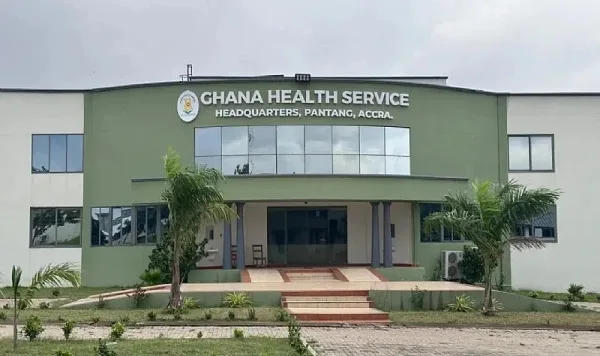
The single sharpest fact about the state of Ghana's healthcare system is that it requires significant investment and overhaul to achieve the government's flagship Free Primary Healthcare programme.
The Ghana Health Service (GHS) has identified four priority areas it says will determine the success of the government’s flagship Free Primary Healthcare programme. Speaking at the opening of the 2026 Christian Health Association of Ghana (CHAG) Annual Conference in Koforidua, Deputy Director-General of the Ghana Health Service, Dr. Caroline Reindorf Amissah, said the four areas are: stronger community-based health systems, investment in health workers, digital innovation, and sustainable financing.
According to Dr. Reindorf Amissah, the first priority is strengthening community-based health systems by building on the success of the Community-based Health Planning and Services (CHPS) strategy. This strategy has brought healthcare closer to communities, improving access and outcomes across the country. She emphasized the need for stronger collaboration between CHAG facilities, CHPS compounds, district health systems, and local communities to expand access to quality healthcare, particularly in underserved areas.
Dr. Reindorf Amissah acknowledged that retaining skilled health workers in deprived communities remains one of the health sector’s biggest challenges. Many professionals seek transfers shortly after accepting postings, making it difficult to maintain a skilled workforce in these areas. She praised CHAG for its ability to retain committed health professionals in remote communities, citing the impact of their work on people’s lives.
The third priority identified by the Ghana Health Service is the adoption of digital innovation and data-driven decision-making to improve healthcare planning and service delivery. Dr. Reindorf Amissah encouraged greater investment in digital health technologies, including telemedicine and other innovative solutions that can improve patient care and strengthen clinical support.
The fourth priority is ensuring sustainable financing to support the long-term implementation of the Free Primary Healthcare programme. Dr. Reindorf Amissah urged health sector stakeholders to improve efficiency, reduce waste, and strengthen partnerships to ensure available resources are used effectively.
Beyond the four priorities, Dr. Reindorf Amissah reaffirmed the Ghana Health Service’s commitment to working closely with CHAG, describing the association as one of Ghana’s most important healthcare partners. She commended CHAG for its longstanding contribution to Ghana’s health sector, noting that the association’s work has increased access to quality healthcare in rural and hard-to-reach communities.
As Ghana strives to improve its healthcare system, it's worth noting that CHAG has been at the forefront of delivering quality healthcare to some of the country’s most vulnerable populations. The association's extensive network of hospitals, clinics, health training institutions, and community-based services continues to deliver quality healthcare to those in need.
Key Facts
- CHPS strategy: the Community-based Health Planning and Services strategy has brought healthcare closer to communities, improving access and outcomes across the country.
- Ghana Health Service priorities: strengthening community-based health systems, investment in health workers, digital innovation, and sustainable financing are the four priority areas.
- CHAG facilities: the Christian Health Association of Ghana has a network of hospitals, clinics, health training institutions, and community-based services that deliver quality healthcare to vulnerable populations.
- Deprived communities: retaining skilled health workers in these areas is one of the health sector’s biggest challenges.
- Digital innovation: greater investment in digital health technologies, including telemedicine and other innovative solutions, is encouraged to improve patient care and strengthen clinical support.
- Sustainable financing: improving efficiency, reducing waste, and strengthening partnerships are essential to ensure available resources are used effectively.
- Dr. Caroline Reindorf Amissah*: the Deputy Director-General of the Ghana Health Service emphasized the need for stronger community-based health systems and investment in health workers.