

The fight against
an invisible enemy
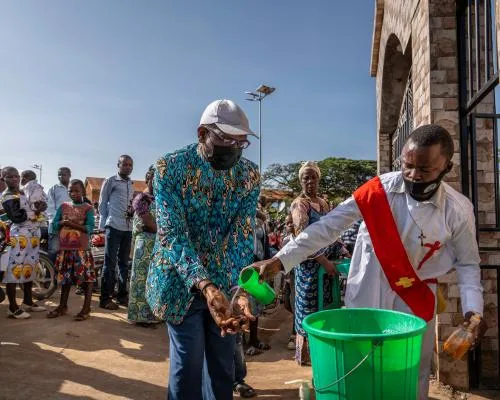
World Health Organization boss Tedros Adhanom Ghebreyesus arrived in Kinshasa today with a message: the current Ebola outbreak in the Democratic Republic of the Congo (DRC) is not invincible. He's heading straight to the Ituri province, the epicentre of this health crisis, to oversee containment efforts. The official count has hit 10 confirmed deaths and 223 suspected ones since the alarm was raised on May 15. These numbers are likely just the tip of the iceberg, as the virus has likely been moving through communities silently for weeks.
You can stop this.
This isn't just another medical emergency – it's the 17th time Ebola has struck this massive country. The virus, first identified back in 1976, is currently behaving differently than we've seen before. The average fatality rate for Ebola is usually around 50%, but this specific outbreak is clocking in at about 24.6%. This lower rate may seem like a small mercy, but don't be fooled – the lack of an approved treatment for the Bundibugyo strain makes it a major challenge for doctors on the ground.
Conflict is the biggest complication
The real problem isn't just the biology of the virus; it's the geography of the war. Ituri is a mineral-rich region that has been a playground for various armed groups for far too long. When people are forced to flee their homes to escape gunfire, they often carry the virus into new, unmonitored territories. The United Nations refugee agency reports that over 245,000 people have crossed borders since January 2025. This mass displacement is a complete nightmare for contact tracing, as trying to find people in the middle of a conflict zone is like looking for a needle in a haystack.
Tedros Adhanom Ghebreyesus made a direct plea to the warring parties, including the Rwanda-backed M23 fighters. He pointed out that no political grievance is worth letting preventable diseases wipe out innocent civilians. The infrastructure in the region is essentially broken. While 4.6 tonnes of aid have already landed in Bunia, and Unicef is promising another 100 tonnes, getting those supplies through a war zone to the people who actually need them is a logistical headache that would test the patience of a saint.
Border dramas and legal hurdles
Neighbouring countries are already bracing for impact. Uganda has shut its border with the DRC immediately, a move the WHO is advising against. They argue that closing borders doesn't stop the virus; it just pushes people to use dodgy, informal crossing points where nobody is checking temperatures or documenting symptoms. This approach usually makes the surveillance job much harder.
In Kenya, the situation is getting even more chaotic. The government wanted to set up a specific quarantine and treatment centre for infected US citizens. However, a local rights group called the Katiba Institute took the matter to court. Judge Patricia Nyaundi put a temporary stop to the plan, arguing that the country isn't legally allowed to admit exposed people under the current terms. Beyond the legalities, local health officials are worried about adding this burden to an already stretched healthcare system that is clearly not built for such a specialised task.
Tracking the symptoms and
the science
The symptoms are the usual suspects: high fever, exhaustion, and muscle pain that escalate into the kind of illness that causes internal organ failure. Since it spreads through direct contact with blood or bodily fluids, the burial practices in these areas are often a high-risk activity that health teams are trying desperately to change. Jean Kaseya, who heads the Africa Union's health agency, thinks a vaccine could be ready by the end of the year. If that holds true, it would be a massive win. However, for now, the teams on the ground are having to rely on basic isolation and intense sanitisation protocols while waiting for those clinical trial results.