

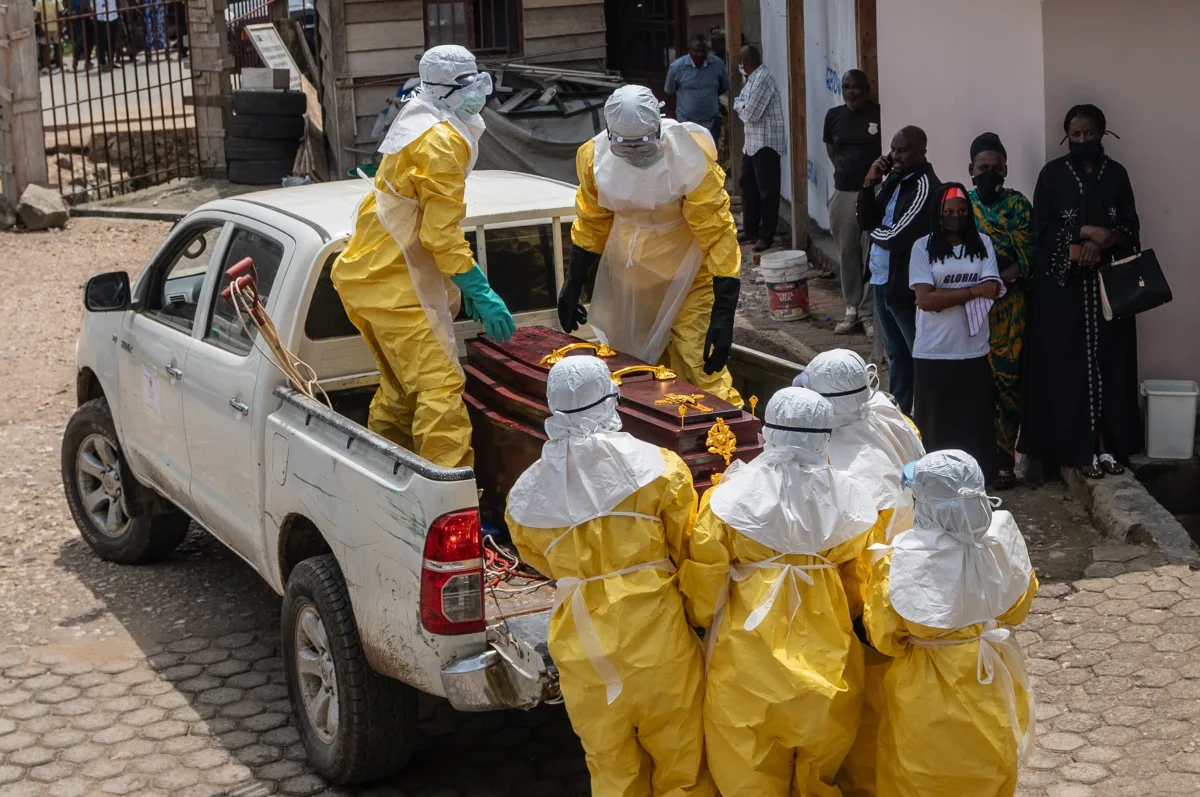
Starting this Wednesday, if you’re a resident of the Democratic Republic of the Congo (DRC), Uganda, or South Sudan, your travel plans to Canada are officially on ice. The Canadian government is pulling the emergency brake with a 90-day entry ban to prevent the Bundibugyo strain of the Ebola virus from finding a home on their soil. It’s a drastic move that shows the deep anxiety of the global community as the World Health Organization (WHO) sounds the alarm on the outbreak.
The WHO recently bumped the risk level for the DRC to "very high," declaring the situation in the region an emergency of international concern. It isn’t just about the DRC, though. Uganda is also caught in this web, and the international community is moving fast to contain any potential movement. Washington, D.C. already set the pace last week by blocking non-citizens who had visited those three hotspots from stepping foot in the United States.
For those who haven't been banned outright, the rules are getting a lot stricter. Canadian citizens and permanent residents who have been in the identified danger zones over the last few weeks are facing a mandatory 21-day quarantine starting May 30. Public health officials clearly aren't taking any chances. If you’ve spent any time in these countries, don't expect to just walk through Pearson Airport without being flagged. You’ll be expected to hunker down and clear that three-week isolation window, regardless of whether you’re showing symptoms or not.
Over in the Bahamas, the approach is slightly less heavy-handed, but definitely not relaxed. Officials decided against a total shutdown of their borders. They're rolling out enhanced health screenings and potential quarantine orders for any traveler who has set foot in the DRC, Uganda, or South Sudan within 30 days of arrival. They’re basically keeping a watchful eye on everyone coming through their ports of entry to ensure nothing slips through the cracks.
This specific strain of the virus is known for being particularly aggressive, which explains why health agencies are moving with such urgency. Ebola is a viral hemorrhagic fever that spreads through contact with infected body fluids. It’s notorious for its high fatality rate. This rate often hits a point where rapid medical intervention becomes the only difference between survival and disaster. By limiting the influx of people from the source areas, these governments are betting that they can keep their healthcare systems from being overwhelmed.
To date, there have been zero reported cases of Ebola in Canada, the United States, or the Bahamas. The goal here is simple: keep that zero as long as possible. The logistics of these bans are being handled by Jasper Ward in Washington and Ismail Shakil in Ottawa. They’re coordinating with international health bodies to ensure the measures are updated as the situation evolves on the ground in Africa. Citizens are watching the news for any sign of a shift in these travel policies as the situation develops.