

The single sharpest fact in one or two punchy sentences. Who did what, where, when, and why it matters. Not a summary of everything — the one thing that makes someone stop scrolling. A reader who only reads this paragraph must understand what happened.
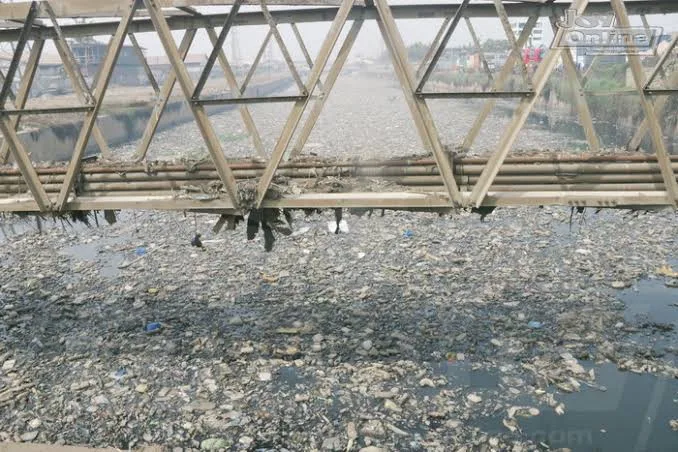
The Greater Accra Resilient and Integrated Development (GARID) Project says dredging of the Odaw Channel, one of the capital’s most critical flood-control interventions, is only about 40% complete, even as Accra grapples with one of its worst flooding events in recent years. Speaking on Joy FM’s Super Morning Show, GARID Project Coordinator Ohene Sarfoh said work on the channel, which stretches from Cape Rise to the Korle Lagoon, is progressing and is expected to be completed before the end of the year.
Work on the Odaw Channel began in February 2024 as part of a four-year performance-based agreement. The agreement is structured to dedicate the first year to major dredging and the remaining three years to maintenance. The maintenance phase will involve routine dredging to remove sediment that accumulates in the channel over time.
The GARID Project, which began in 2020 as a five-year initiative to improve flood risk management and solid waste management within the Odaw River Basin, has since been extended to December 31, 2027, following additional financing and implementation delays. According to the latest World Bank implementation review, the project has so far disbursed US$127.1 million of its US$350 million financing package, representing 36.3% of total funding.
Ohene Sarfoh attributed some of the delays to challenges including the temporary suspension of dredging to remove accumulated dredged material from riverbanks and difficulties securing temporary disposal sites. He noted that the project has not yet fully met its flood mitigation objectives but is making significant progress.
Major drainage construction works are advancing across several parts of Accra, according to Dr. Sarfoh. Drainage infrastructure has been completed from Accra Academy to South Kaneshie, linking up with an earlier completed section from Abeka Junction through Odo Road to the South Industrial Area. Construction works are expected to begin on the Abeka Junction to Pampaso stretch soon, but will require extensive traffic management due to the temporary closure of the westbound carriageway.
The GARID Project is Ghana’s first World Bank-funded urban resilience programme and also supports solid waste management, community upgrading projects, and institutional capacity-building for 17 Metropolitan, Municipal, and District Assemblies within the Odaw Basin. In addition to dredging, flood mitigation works are underway in several flood-prone communities, including Kaneshie, Paloma-Asylum Down, Achimota, Nima, Akweteyman, and Alogboshie, as authorities seek to strengthen Accra’s resilience against increasingly frequent flooding.
A recent downpour caused widespread flooding in Accra, with preliminary data showing that approximately 140 millimetres of rain fell over the city during the storm—more than double the highest daily rainfall recorded last year. Ghana’s President attributed the flooding to unusually intense rainfall, climate change, inadequate drainage infrastructure, rapid urbanisation, construction on waterways, and indiscriminate waste disposal.
Odaw Channel Flood-Control Measures
- The Odaw Channel stretches from Cape Rise to the Korle Lagoon.
- Dredging work is expected to be completed before the end of the year.
- Routine maintenance dredging will follow to remove accumulated sediment.
Drainage Construction Works
- Major drainage construction works are advancing across several parts of Accra.
- Drainage infrastructure has been completed from Accra Academy to South Kaneshie.
- Construction works are expected to begin on the Abeka Junction to Pampaso stretch soon, requiring extensive traffic management.
The GARID Project is a comprehensive initiative aimed at improving flood risk management and solid waste management within the Odaw River Basin. With a focus on urban resilience, the project aims to reduce the impact of flooding on communities and strengthen Accra’s resilience against increasingly frequent flooding events. The project's extension to December 31, 2027, reflects its significance as a key component in Ghana’s efforts to address climate change and urban development challenges.
Key Figures
- Ohene Sarfoh, GARID Project Coordinator
Funding
- The GARID Project has disbursed US$127.1 million of its US$350 million financing package, representing 36.3% of total funding.
- The project has received additional financing and implementation delays have been addressed.